Hope King joined us from the Next Web Conference, an event for technology, communication, and media businesses. One of the hot topics at the event was cybersecurity and the threats facing businesses heading into the new year. Chris Young, CEO at McAfee, spoke with us about some of the biggest trends in the space.
2017 was a year riddled with cyberattacks. Young puts the WannaCry breach at the top of the list of worst hacks for the year. In the year ahead, he expects the next wave of attacks will be the use of I.o.T devices to figure out how to physically steal something from an organization. Young also sees artificial intelligence being utilized by criminals to learn how to better attack us.
Young also discussed the culture of security in corporations. He says it is a missing piece for many organizations, adding that it is important that they build an appreciation of security into their culture. The McAfree CEO says his best advice is to "assume you've been hacked" and work from there.
Web browser Mozilla is investing $30 million into launching a startup, called Mozilla.ai, focused on building a "trustworthy, independent, and open-source AI ecosystem."
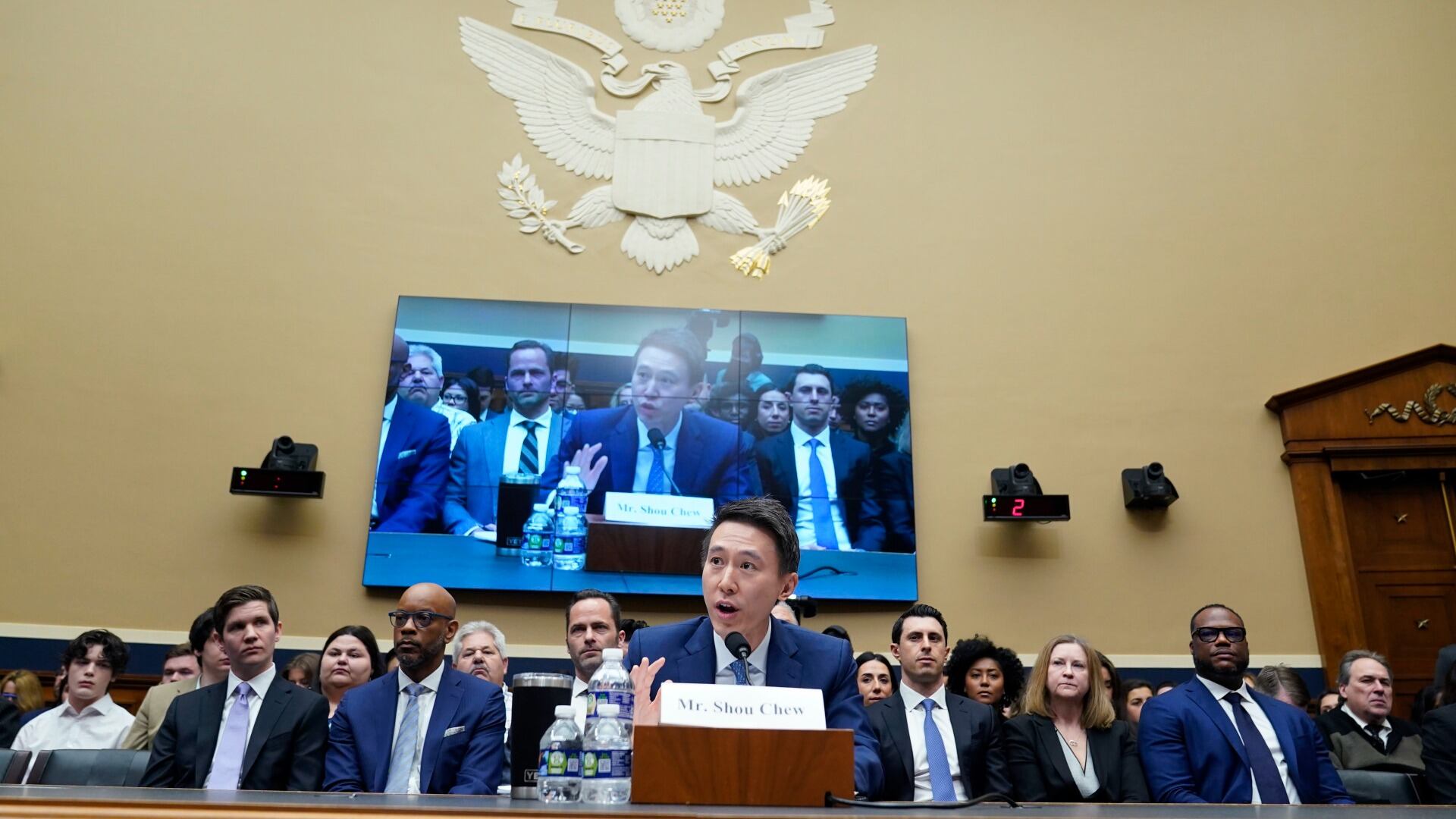
Lawmakers grilled TikTok CEO Shou Zi Chew on Thursday in a high-stakes hearing on the future of the popular, Chinese-owned video sharing platform in the U.S.
Riggs Eckelberry, CEO of OriginClear, which manufactures modular clean water systems, provided background on the water safety crisis in the U.S. He also provided best practices on how to test and filter water at home.
TikTok is banning deepfakes amid increasing pressure from the U.S. government over privacy and security concerns. CEO Shou Zi Chew announced the policy in a TikTok video on Tuesday two days ahead of his scheduled appearance before congress.
Language app Duolingo last week launched a new subscription tier, called Duolingo Max, that uses an artificially intelligent chatbot to provide more personalized feedback to learners.