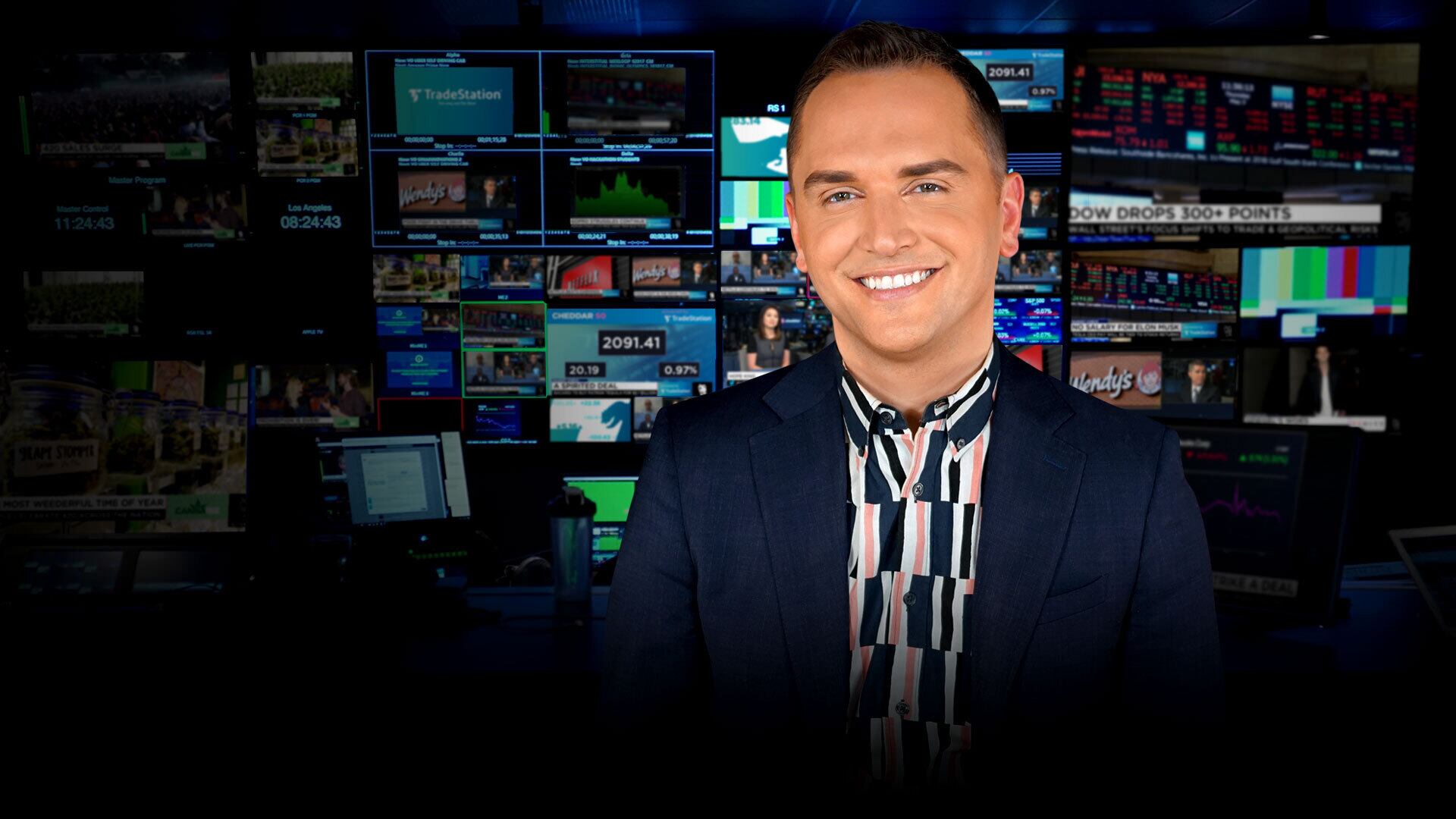
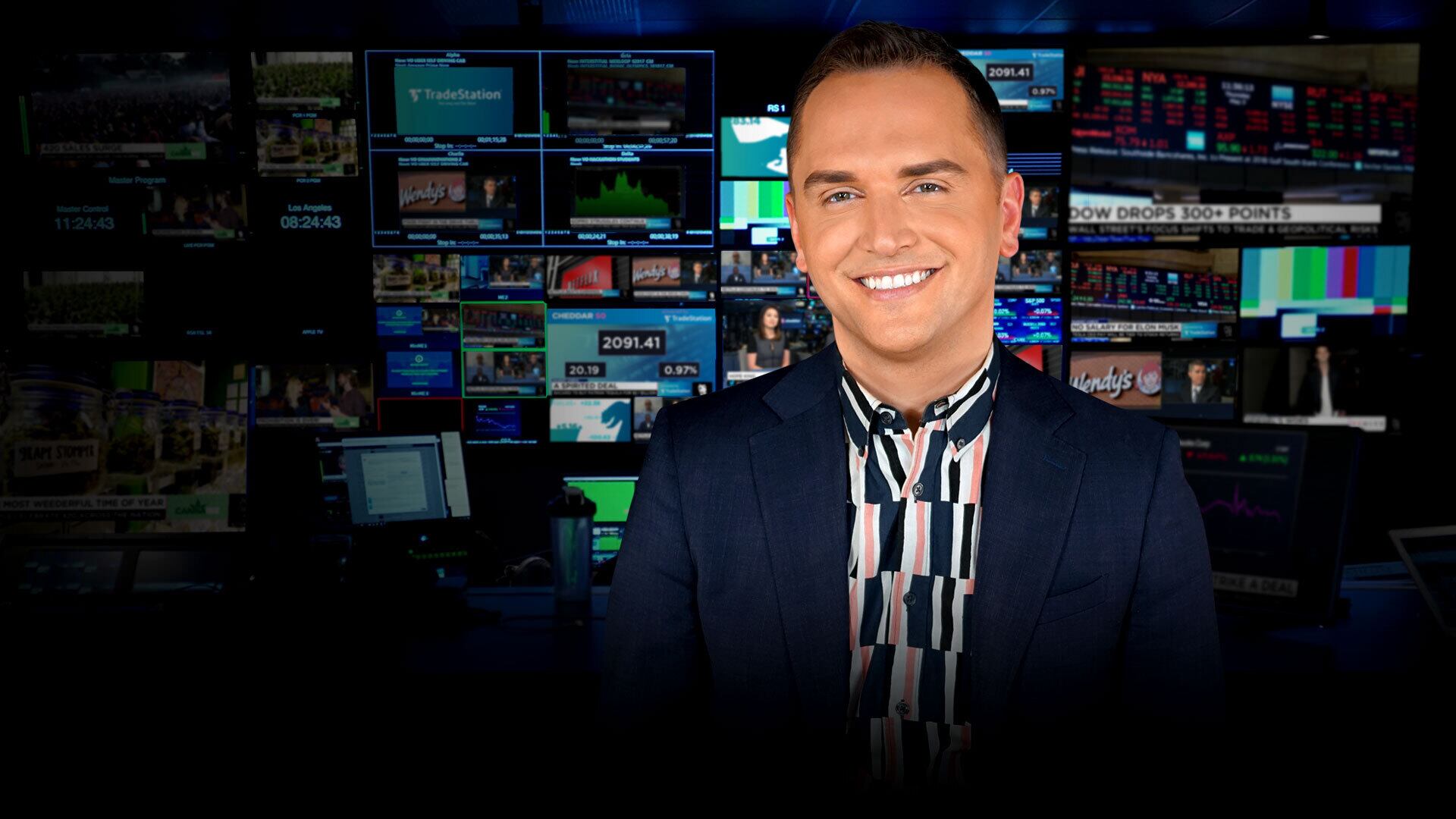
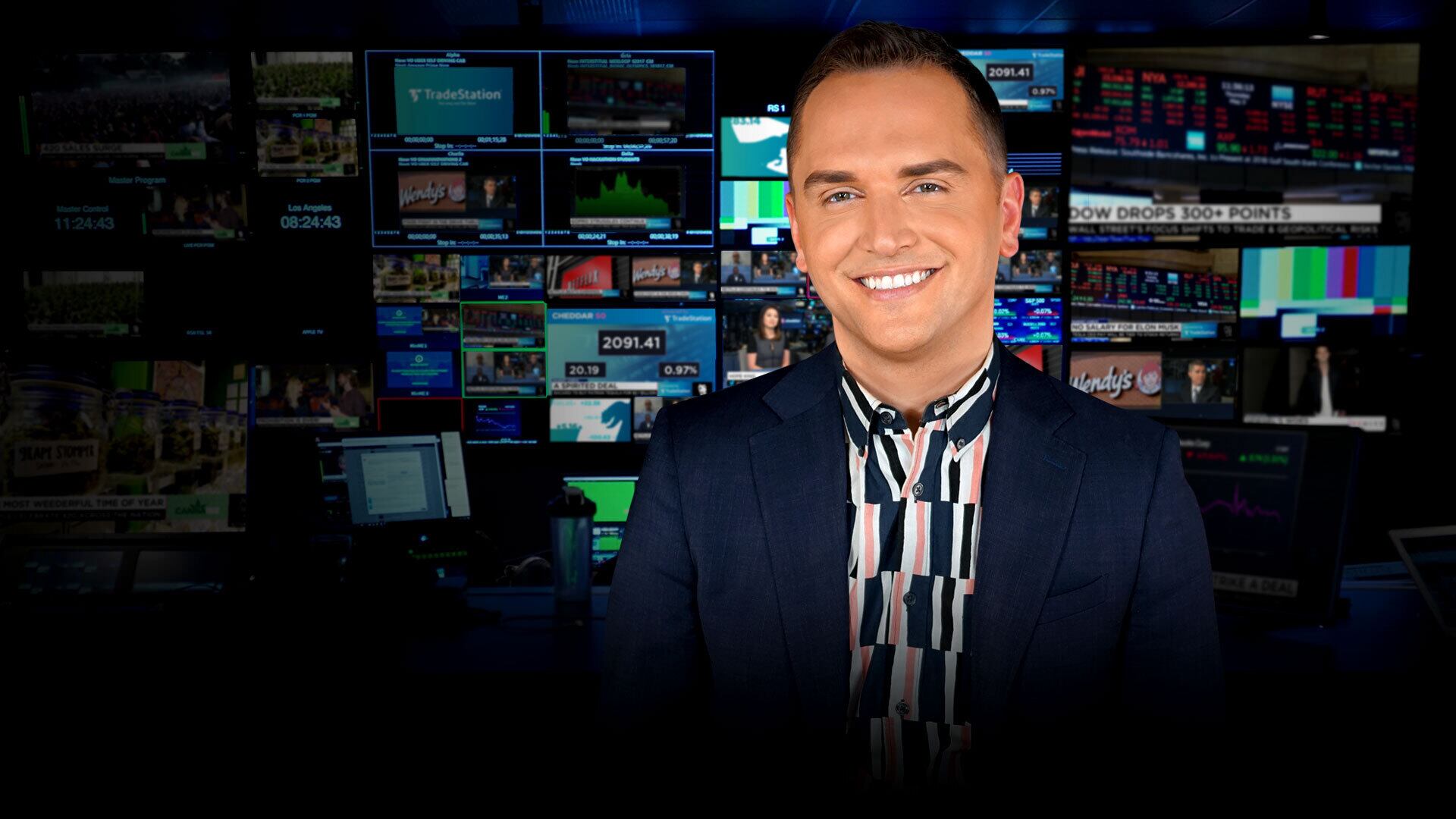
Hope King joined us from the Next Web Conference, an event for technology, communication, and media businesses. One of the hot topics at the event was cybersecurity and the threats facing businesses heading into the new year. Chris Young, CEO at McAfee, spoke with us about some of the biggest trends in the space.
2017 was a year riddled with cyberattacks. Young puts the WannaCry breach at the top of the list of worst hacks for the year. In the year ahead, he expects the next wave of attacks will be the use of I.o.T devices to figure out how to physically steal something from an organization. Young also sees artificial intelligence being utilized by criminals to learn how to better attack us.
Young also discussed the culture of security in corporations. He says it is a missing piece for many organizations, adding that it is important that they build an appreciation of security into their culture. The McAfree CEO says his best advice is to "assume you've been hacked" and work from there.
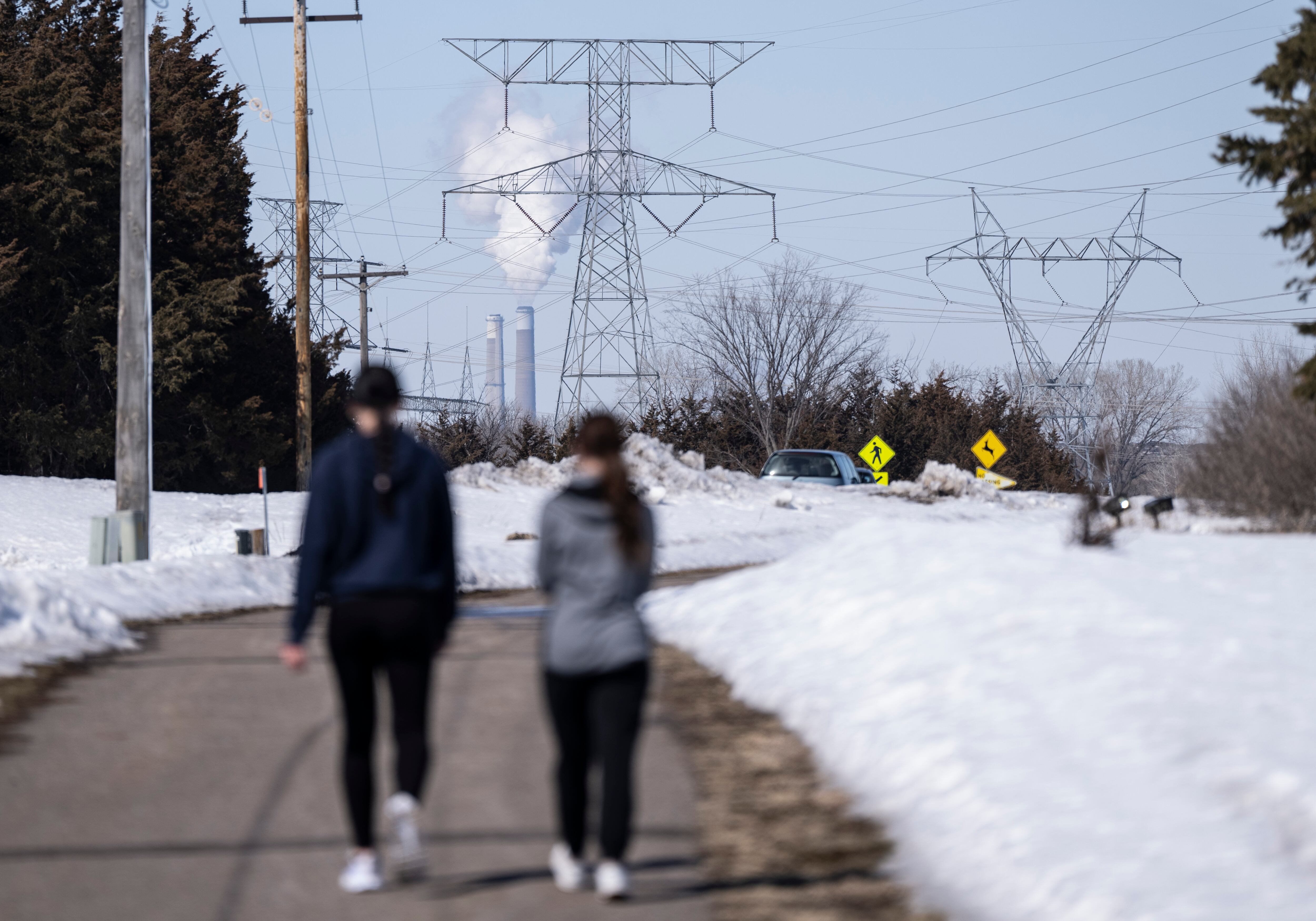
A Minnesota utility began shutting down a nuclear power plant near Minneapolis on Friday after discovering water containing a low level of radioactive material was leaking from a pipe for the second time. While the utility and health officials say it is not dangerous, the issue has prompted concerns among nearby residents and raised questions about aging pipelines.
Some parts of Twitter's source code — the fundamental computer code on which the social network runs — were leaked online, the social media company said in a legal filing that was first reported by The New York Times.
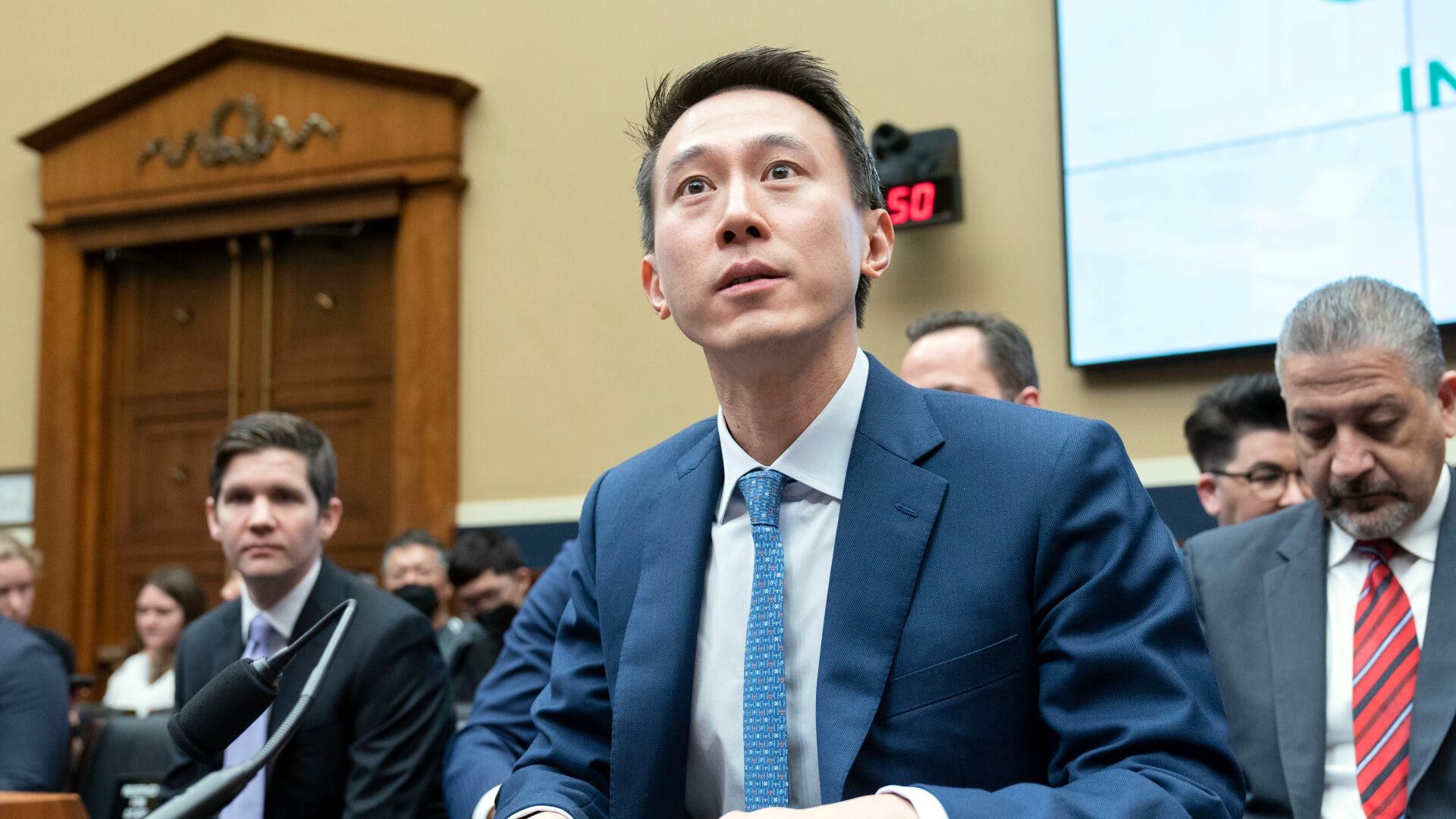
While data privacy still remains one of TikTok's biggest challenges, it may face a larger problem in order to stay in the United States: content moderation.
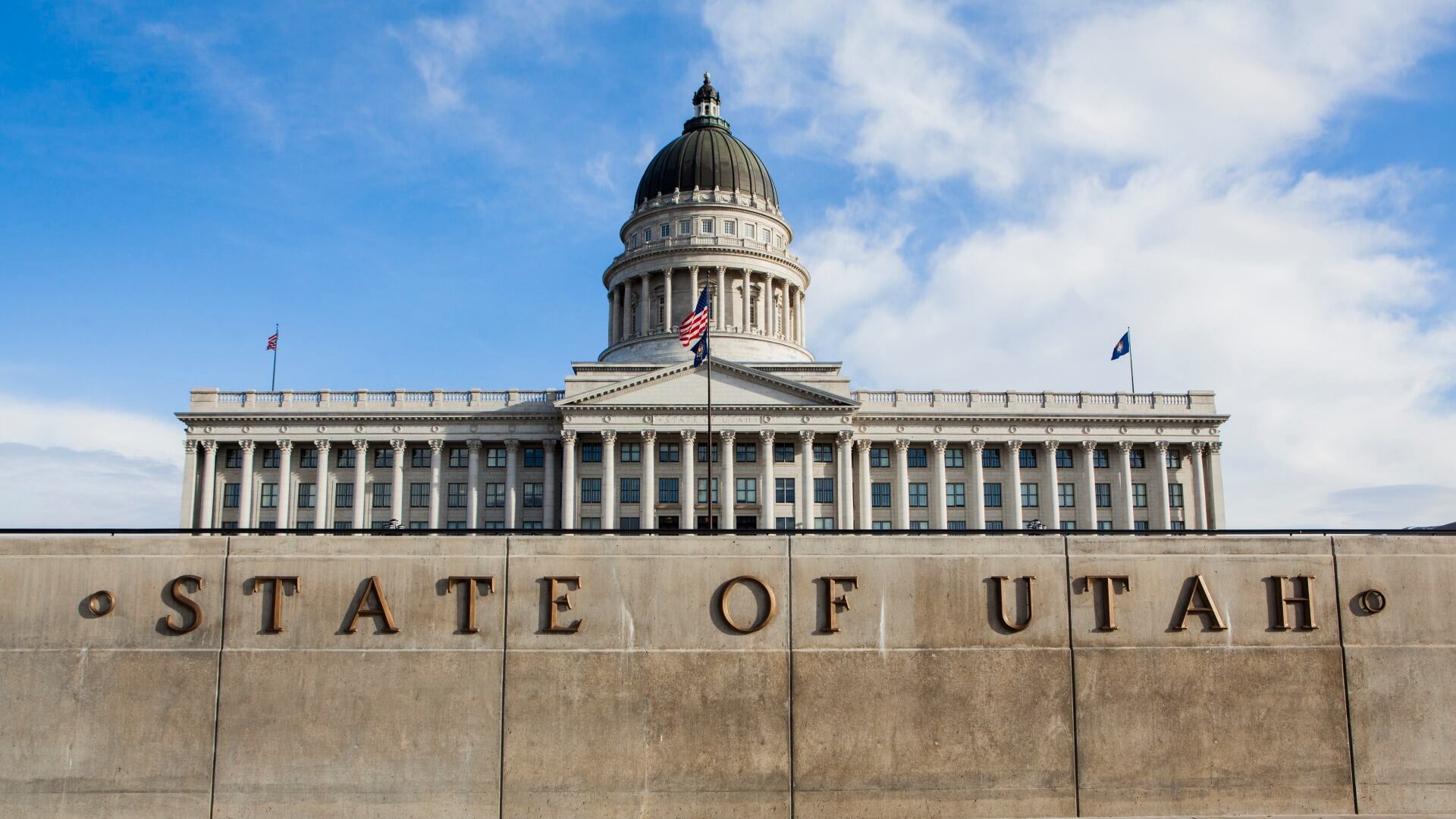
Governor Spencer Cox signed two measures restricting how easily children in the state can access platforms like TikTok and Twitter, setting the precedent in the U.S.