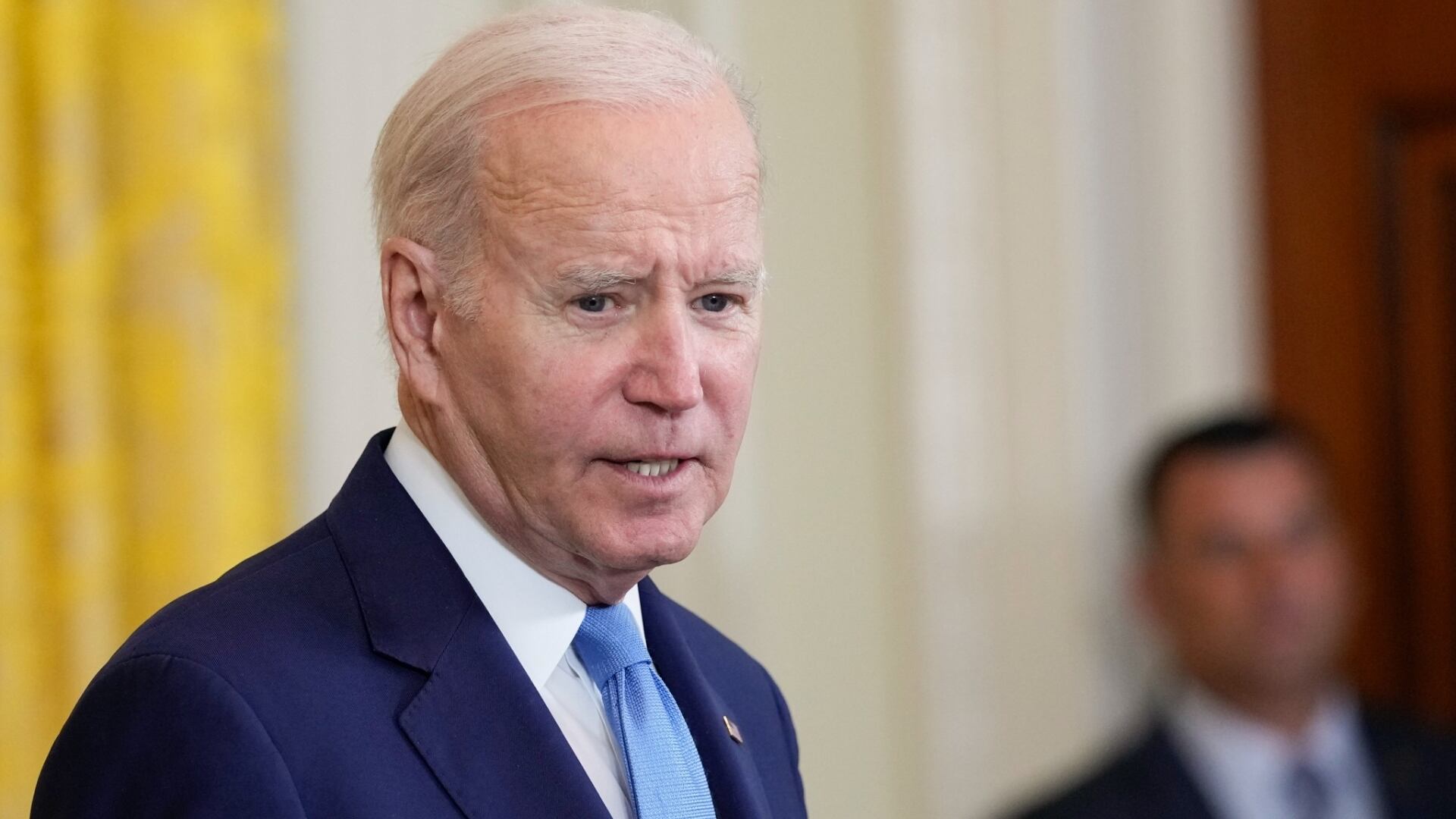
President Joe Biden is expected to tap Jeff Zients, the administration’s former COVID-19 response coordinator, as his next chief of staff.
Biden’s current chief of staff, Ron Klain, is likely to leave the job following Biden’s State of the Union address on Feb. 7, The New York Times reported. Klain has held the position for the past two years.
The chief of staff heads the Executive Office of the President and is a cabinet position widely recognized as one of the most important, influential jobs in the White House. The details of the role differ across administrations, but generally, the chief of staff serves as the President’s primary aide and adviser across many different fronts.
For example, the chief of staff oversees the President’s daily operations as well as broader policy development. The staffer in the role also maintains the president’s schedule, advises the president on policy, hires and organizes staff, and controls the flow of information to the president, among other duties.
In his previous role Zients helped increase the distribution of COVID-19 vaccines, but left the administration last April. Prior to that he held several positions under President Barack Obama, including director of the National Economic Council.
If appointed, Zients would begin the role at a critical time for Biden as he may soon announce his 2024 reelection bid and faces a special counsel investigation over mishandled classified documents.
Updated with Cheddar writethrough.