President Joe Biden said Thursday that the U.S. will have enough supply of the COVID-19 vaccine by the end of the summer to inoculate 300 million Americans.
Biden made the announcement at the sprawling National Institutes of Health complex just outside Washington as he visited some of the nation's leading scientists on the frontlines of the fight against the disease. He toured the Viral Pathogenesis Laboratory that created the COVID-19 vaccine now manufactured by Moderna and being rolled out in the U.S. and other countries.
The U.S. is on pace to exceed Biden’s goal of administering 100 million vaccine doses in his first 100 days in office, with more than 26 million shots delivered in his first three weeks.
“That’s just the floor,” Biden said. "Our end goal is beating COVID-19.”
Biden announced on Thursday that the U.S. had secured contractual commitments from Moderna and Pfizer to deliver the 600 million doses of vaccine by the end of July — more than a month earlier than initially anticipated.
“We’re now on track to have enough supply for 300 million Americans by the end of July," he announced.
The pace of injections could increase further if a third coronavirus vaccine from drugmaker Johnson & Johnson receives approval from the Food and Drug Administration.
Speaking with Dr. Anthony Fauci, the nation's top infectious-disease specialist, Biden emphasized that his administration is doing everything possible to increase the vaccine supply and the country's capacity to deliver injections into arms.
“It’s been a hell of a learning process," Biden said.
Biden, wearing a mask, used his remarks to criticize President Donald Trump, saying he inherited “no plan to vaccinate most of the country.”
“It is no secret that the vaccination program was in much worse shape than my team and I anticipated,” he said.
To date, the Biden administration has deployed active-duty troops to help stand up mass vaccination sites in several states, as it looks to lay the groundwork for increasing the rate of vaccinations once more supply is available.
The Viral Pathogenesis Laboratory is led by Dr. Barney Graham, whose team made critical discoveries years ago that laid the groundwork for rapid development of that and other COVID-19 vaccines. Before the pandemic erupted, one of Graham’s research fellows, Dr. Kizzmekia Corbett, had been using those earlier findings to develop a vaccine for MERS, a cousin of COVID-19.
On the tour, Biden was shown the lab bench where researchers sequenced the virus and developed the precursor of the Moderna vaccine.
Armed with their prior research, Corbett and Graham had a head start when Chinese scientists shared the genetic map of the new coronavirus in January 2020. They already knew how to make spike proteins, which coat the surface of the new coronavirus and its MERS relative, that were stable enough to be used as a key vaccine ingredient.
Within days, the NIH had sent instructions to Moderna to brew up doses, and Corbett and her colleagues were setting up the key lab and animal tests that would eventually prove they were on the right track.
Associated Press Medical Writer Lauran Neergaard in Washington contributed to this report.
Tensions from the Russia-Ukraine war have spilled into space. The head of Russia's space agency has threatened to pull the country out of the International Space Station if sanctions aren't lifted on the country — but that doesn't seem to be happening any time soon. What would it mean if Russia really did leave the ISS, who would it harm the most, and what would the consequences be both for the other ISS partners, and private space travel? Casey Dreier, Chief Advocate & Senior Space Policy Adviser at The Planetary Society, joins Closing Bell to discuss.
Almost every industry now uses online shopping and ordering, but some products require a different packing material, and many times, shipping products can be wasteful. TemperPack aims to solve both issues with its ClimaCell liners, which you might recognize if you have ever ordered a meal subscription kit. Brian Powers, co-founder and Chief Growth Officer at TemperPack, joins Closing Bell to discuss TemperPack's ClimaCell liners, the company's sustainability mission, its corporate customer base, and more.
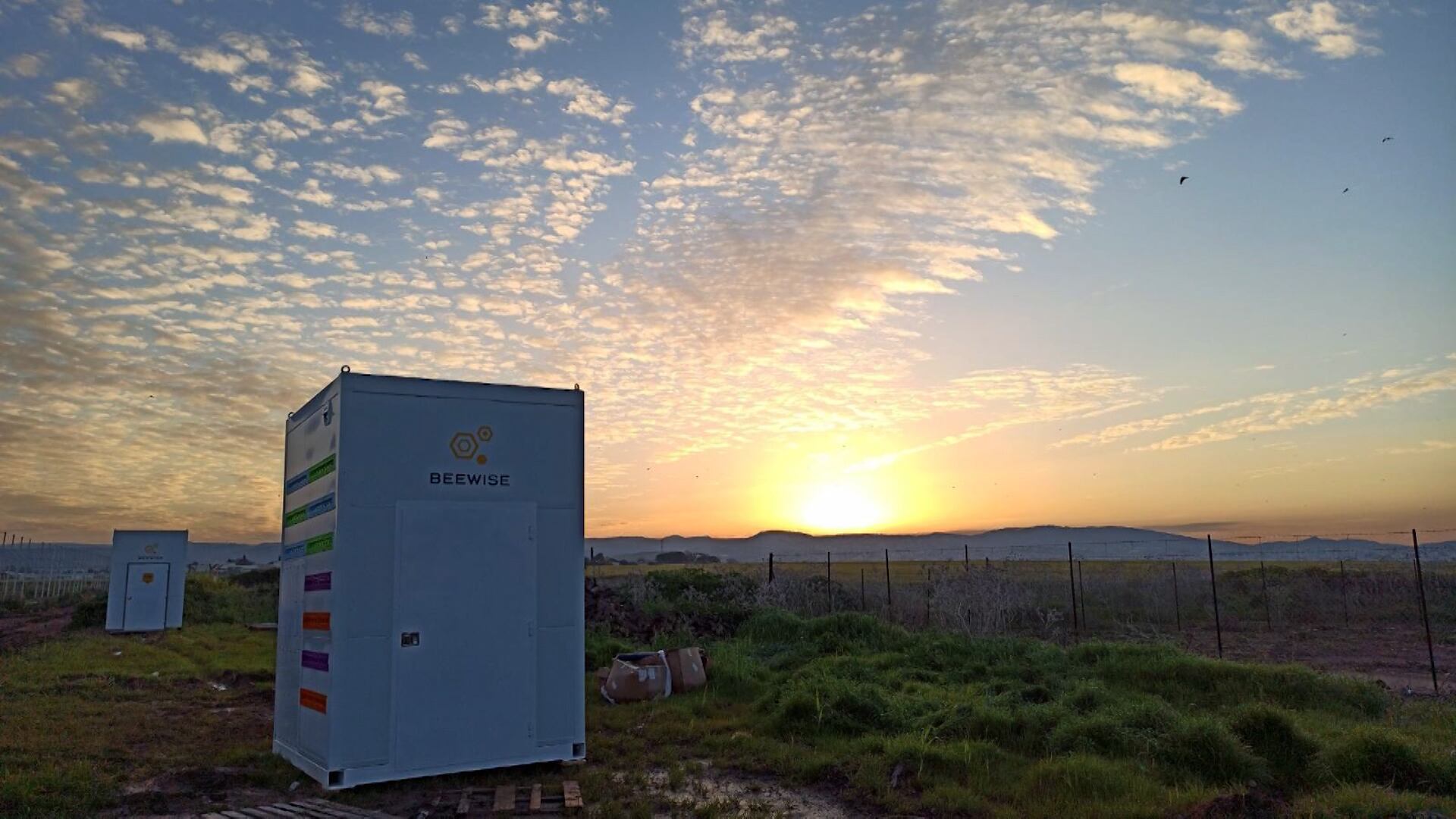
Bees are responsible for the bulk of fruit and vegetable pollination — and they're negatively being affected by climate change. Tech startup Beewise is offering a solution with artificial intelligence to create robotic, autonomous hives to help the vulnerable bee populations. Saar Safra, co-founder & CEO, joined Cheddar News to talk about the company's recent $80 million to help make this project possible. "Our solution is not only hardware," he said. "Its software and biology all in one device. That's the challenge, and that's what sets us apart."
Space tourism continues to be generating buzz after the most recent Blue Origin launch. Two of its passengers made history as the first married couple to travel to space. The couple, Marc Hagle, CEO at Tricor, and Sharon Hagle, CEO at Spacekids Global, joined Cheddar News fresh off of their trip to talk about their experience and future space travel plans. "If there is a Santa Claus, we’ll have the opportunity to fly with Virgin Galactic, and maybe we'll have the opportunity to fly with SpaceX," said Marc Hagle, followed by Sharon explaining they had already signed up with Virgin Galactic about 15 years ago.
The metaverse may be the next big thing in the music world. Cheddar News’ Michelle Castillo sat down with Jon Vlassopulos, VP and head of music at Roblox, to discuss virtual concerts and more.
The head of Russia’s space program says the future of the ISS hangs in the balance after the U.S., EU, and Canadian space agencies missed a deadline to meet Russian demands for lifting sanctions on Russian enterprises and hardware.
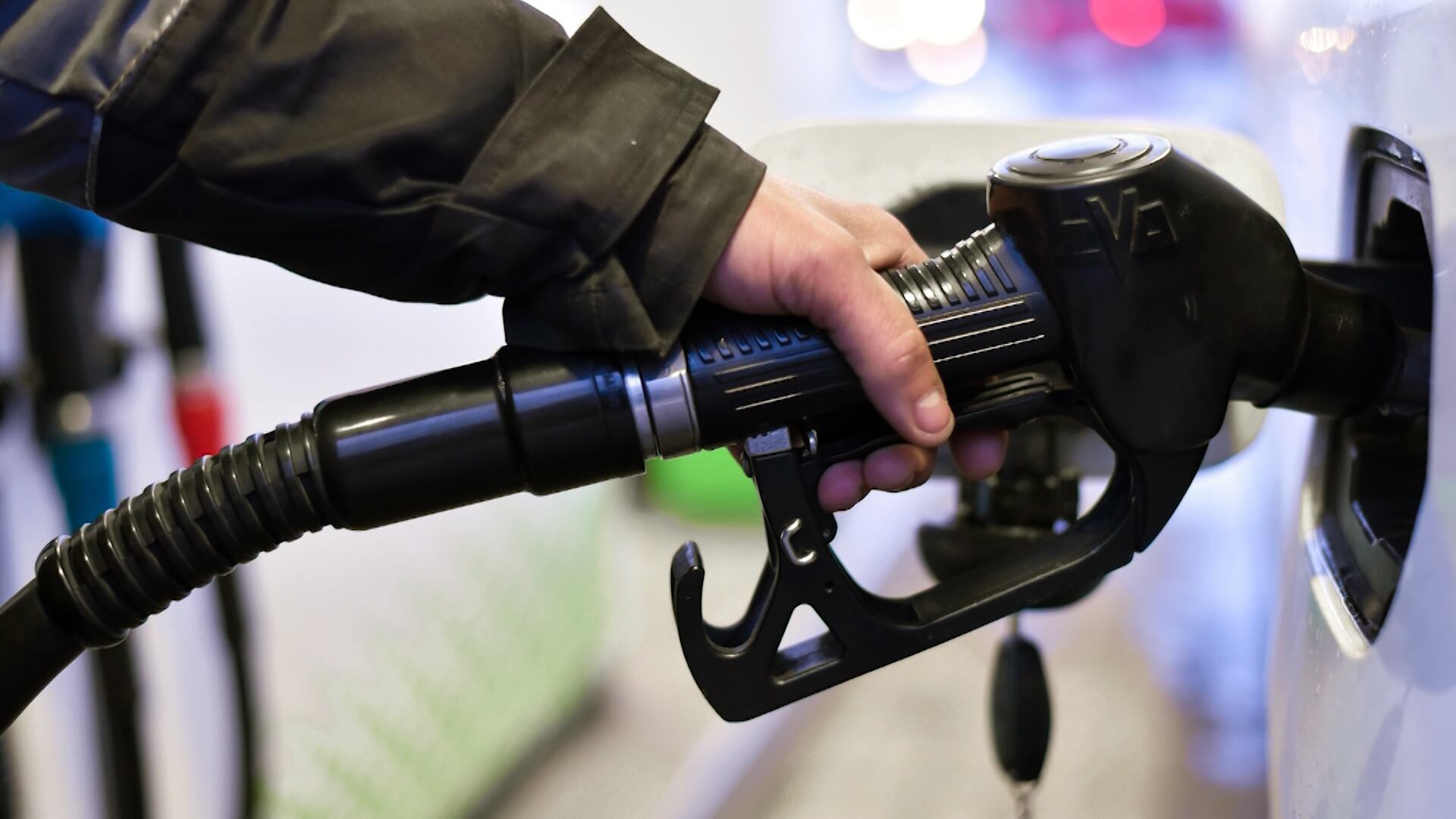
Catching you up on what you need to know on April 4, 2022, with reports of Russian war crimes in Ukraine, a weekend shooting in Sacramento killing six and injuring 12, Mexico ending its gas subsidization for U.S. drivers, and the University of South Carolina winning the women's NCAA basketball championship, and more.
Peter Zalzal, associate vice president for clean air strategies at the Environmental Defense Fund, a nonprofit environmental advocacy group, joined Cheddar to discuss the Biden Administration's unveiling of stricter fuel-efficiency standards for new automobiles. "The administration estimated that these rules will reduce about 2.5 billion tons of climate pollution by 2050, and using less fuel also means that we have to go to the gas pump less often. And so it means we save money, thousands of dollars in avoided fuel costs each year for consumers," he noted.
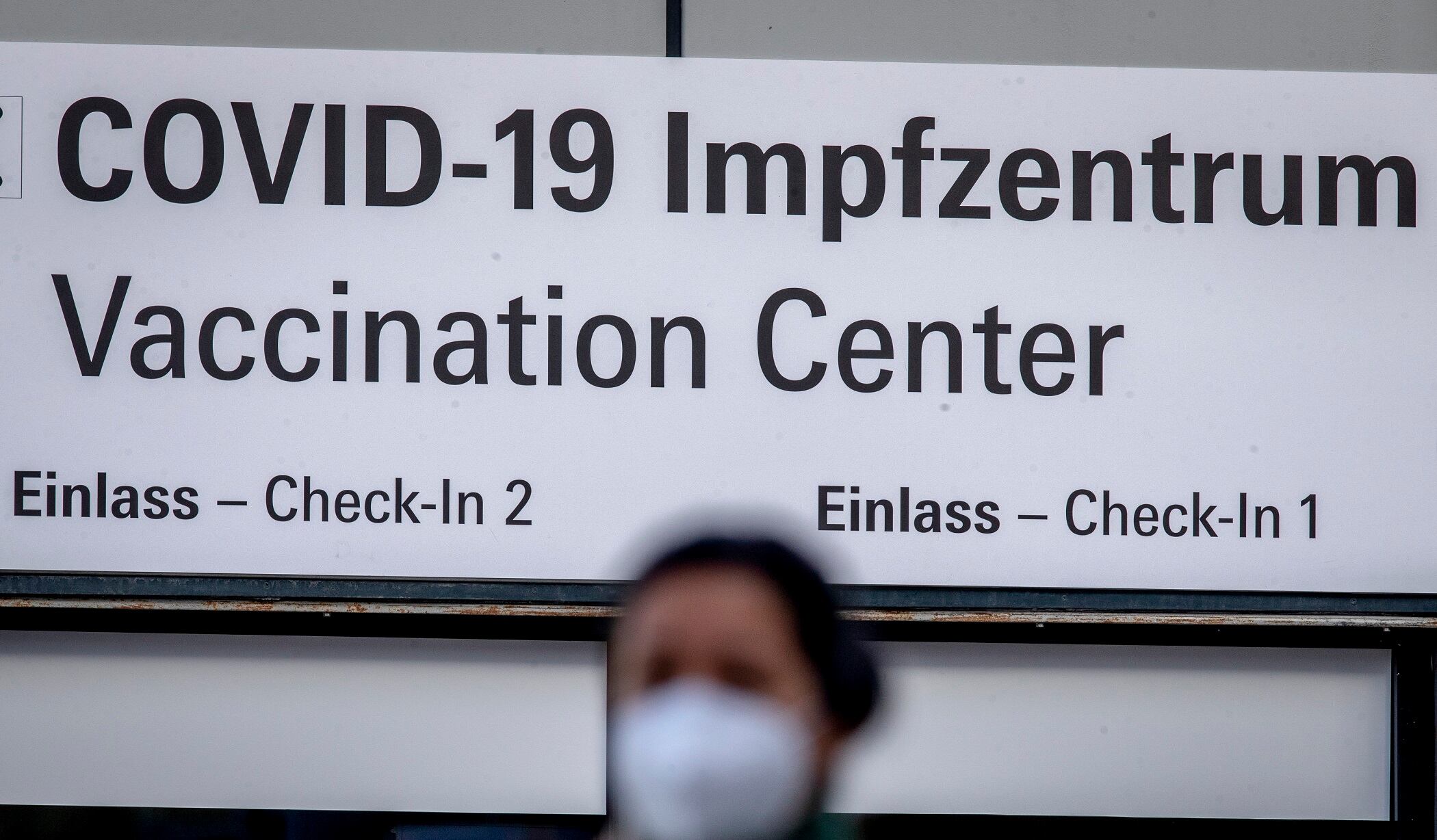
A 60-year-old man allegedly had himself vaccinated against COVID-19 dozens of times in Germany in order to sell forged vaccination cards with real vaccine batch numbers.
Between Bells EP Conor White recaps some of the biggest stories of the week, while Baker Machado and Hena Doba test their knowledge, and maybe learn a thing or two. It's This Week in Trivia!