President Joe Biden said Thursday that the U.S. will have enough supply of the COVID-19 vaccine by the end of the summer to inoculate 300 million Americans.
Biden made the announcement at the sprawling National Institutes of Health complex just outside Washington as he visited some of the nation's leading scientists on the frontlines of the fight against the disease. He toured the Viral Pathogenesis Laboratory that created the COVID-19 vaccine now manufactured by Moderna and being rolled out in the U.S. and other countries.
The U.S. is on pace to exceed Biden’s goal of administering 100 million vaccine doses in his first 100 days in office, with more than 26 million shots delivered in his first three weeks.
“That’s just the floor,” Biden said. "Our end goal is beating COVID-19.”
Biden announced on Thursday that the U.S. had secured contractual commitments from Moderna and Pfizer to deliver the 600 million doses of vaccine by the end of July — more than a month earlier than initially anticipated.
“We’re now on track to have enough supply for 300 million Americans by the end of July," he announced.
The pace of injections could increase further if a third coronavirus vaccine from drugmaker Johnson & Johnson receives approval from the Food and Drug Administration.
Speaking with Dr. Anthony Fauci, the nation's top infectious-disease specialist, Biden emphasized that his administration is doing everything possible to increase the vaccine supply and the country's capacity to deliver injections into arms.
“It’s been a hell of a learning process," Biden said.
Biden, wearing a mask, used his remarks to criticize President Donald Trump, saying he inherited “no plan to vaccinate most of the country.”
“It is no secret that the vaccination program was in much worse shape than my team and I anticipated,” he said.
To date, the Biden administration has deployed active-duty troops to help stand up mass vaccination sites in several states, as it looks to lay the groundwork for increasing the rate of vaccinations once more supply is available.
The Viral Pathogenesis Laboratory is led by Dr. Barney Graham, whose team made critical discoveries years ago that laid the groundwork for rapid development of that and other COVID-19 vaccines. Before the pandemic erupted, one of Graham’s research fellows, Dr. Kizzmekia Corbett, had been using those earlier findings to develop a vaccine for MERS, a cousin of COVID-19.
On the tour, Biden was shown the lab bench where researchers sequenced the virus and developed the precursor of the Moderna vaccine.
Armed with their prior research, Corbett and Graham had a head start when Chinese scientists shared the genetic map of the new coronavirus in January 2020. They already knew how to make spike proteins, which coat the surface of the new coronavirus and its MERS relative, that were stable enough to be used as a key vaccine ingredient.
Within days, the NIH had sent instructions to Moderna to brew up doses, and Corbett and her colleagues were setting up the key lab and animal tests that would eventually prove they were on the right track.
Associated Press Medical Writer Lauran Neergaard in Washington contributed to this report.
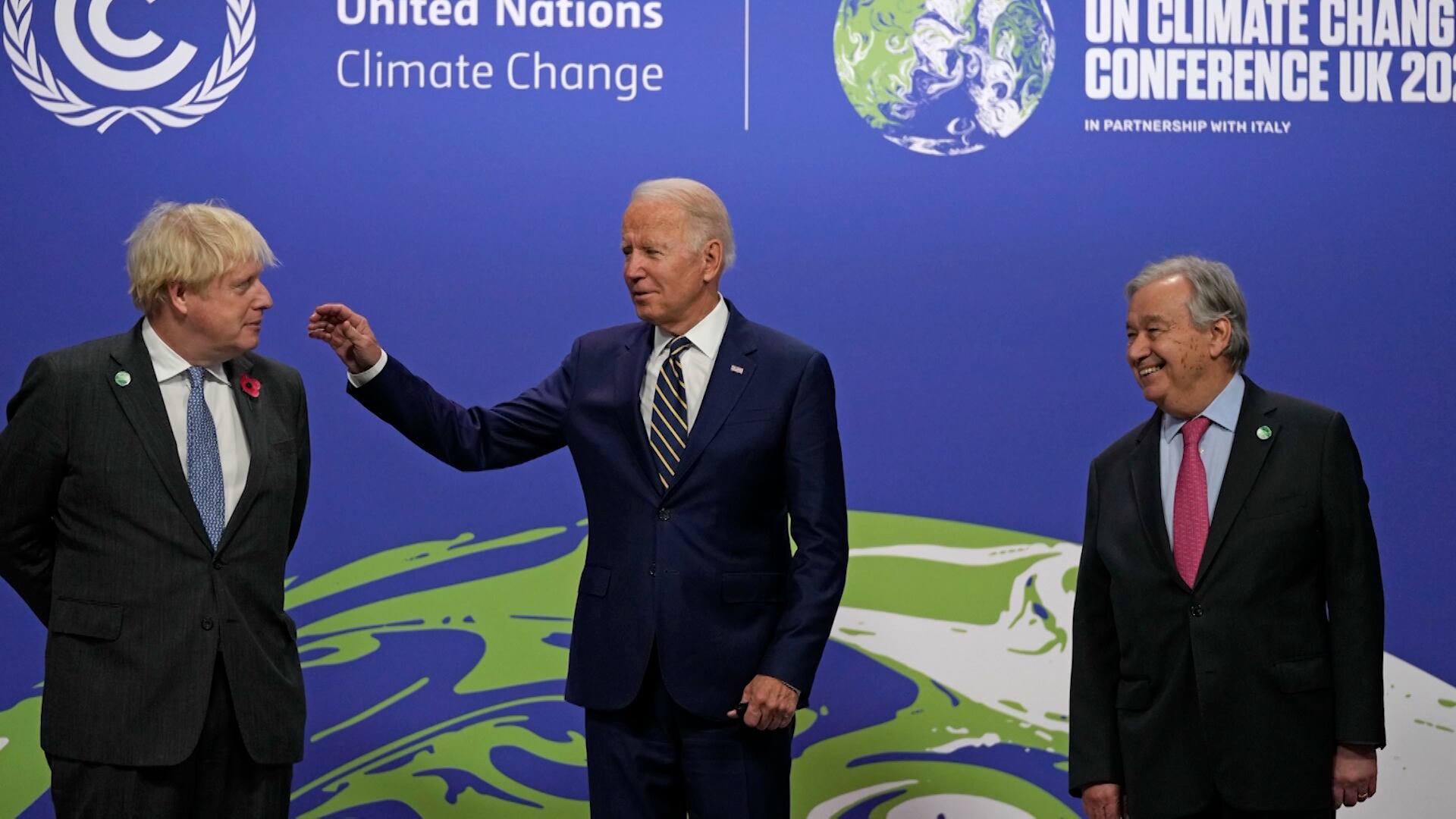
The two-week COP26 climate conference has now ended with leaders reaching a deal, but so far the deal is getting mixed reviews from climate experts across the globe. Chloe Demrovsky, president and CEO of Disaster Recovery Institute International, explains that while the agreement is a step forward in some ways, the world still has much more to work on in order to keep warming to below 2 degrees Celsius.
Jill and Carlo cover the latest with the infrastructure bill, the growing state rebellion over boosters, Trump's dereliction of duty on the pandemic, Taylor Swift's reign of cultural domination and more.
Aurora Cannabis CEO Miguel Martin joins Cheddar News' Closing Bell to discuss the company's latest earnings results, how it will achieve positive EBITDA by 2023, and the state of the cannabis industry amid potential U.S. federal legalization.
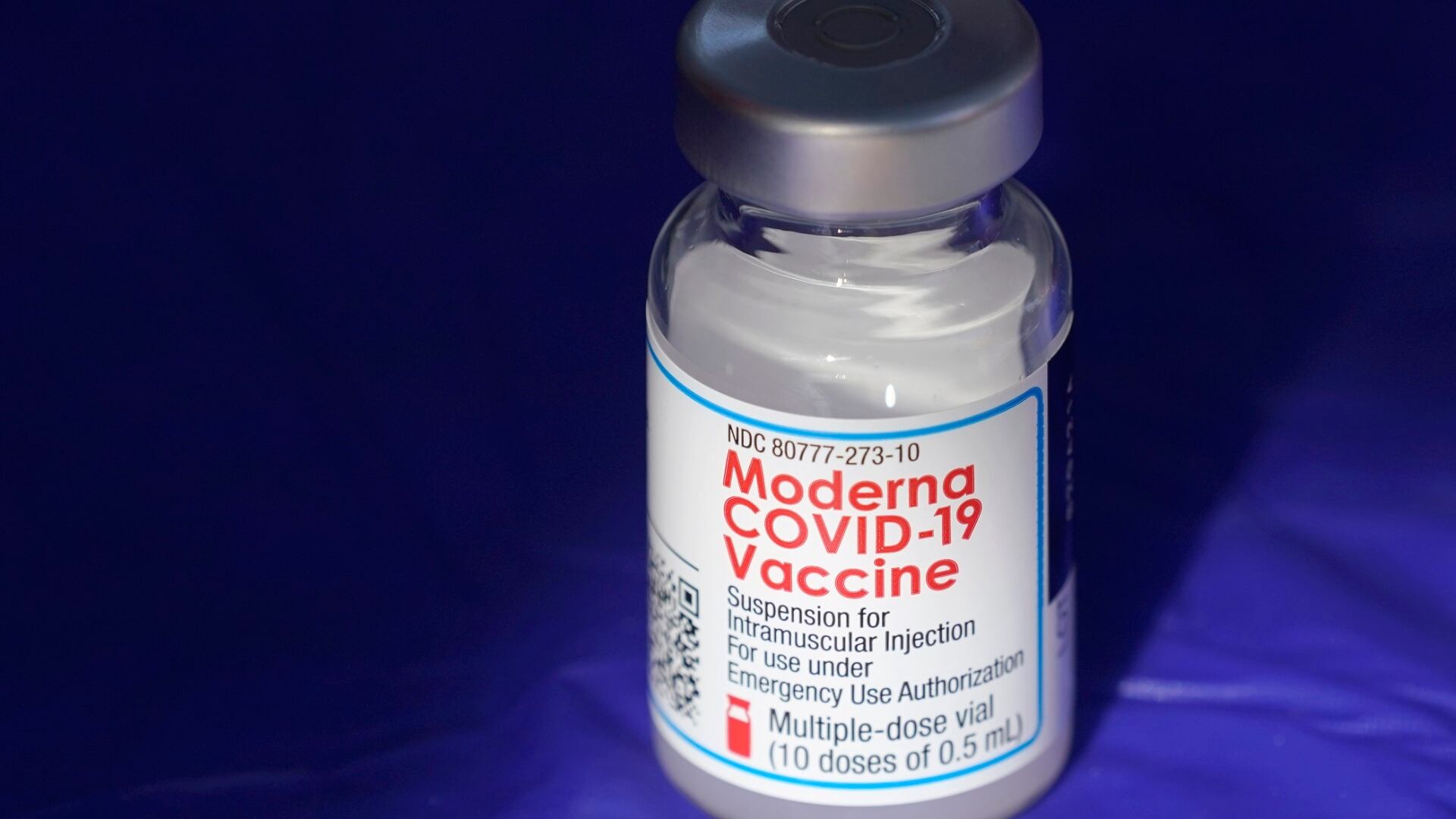
Moderna is defending its COVID-19 vaccine after a study found an increase in reports of myocarditis, which is an inflammation of the heart, in males ages 12 to 29 — about 13.3 cases in every 100,000 subjects. The pharmaceutical giant said the benefits of the vaccine outweigh the risk of the possible negative side effect.
The parent company of North Face, Vans and Supreme, VF Corp, released its fourth annual "Made for Change" sustainability and responsibility report. It details the company's ongoing efforts to tackle social and climate related issues. This comes as climate experts continue to warn about the dangers of fast fashion and its impact on global CO2 emissions. Sean Cady, Vice President of Global Sustainability, Responsibility and Trade at VF Corporation, joins Cheddar News to discuss.
A jam-packed Freitag pod with Carlo and Baker: new Covid hotspots, Kyle Rittenhouse trial, Belarus making trouble for Europe, red-hot housing market, and how to manage a PR crisis the right way.
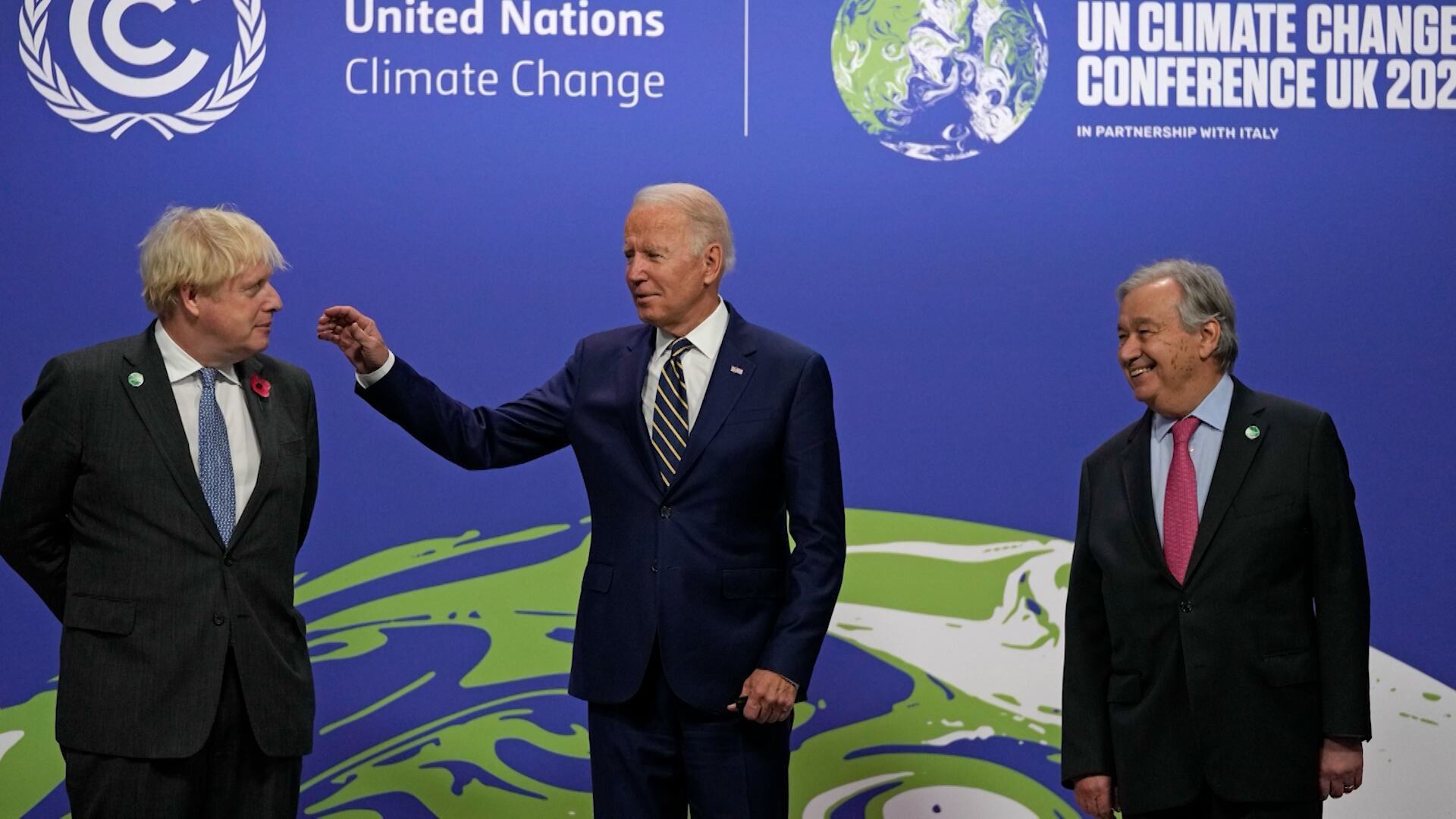
As the UN climate conference is set to wrap this week, we take a look at pledges that world leaders have signed onto so far and the most important developments to come out of COP26. Sandeep Pai, Senior Research Lead at the Just Transition Initiative, joins Cheddar Climate to discuss the most important global initiatives and biggest pledges made by global leaders, and whether or not they can truly make an impact if two of the world's biggest economies, China and Russia, did not attend and are not fully committed to major climate initiatives.
A group of health experts from around the world is issuing a dire warning about the climate crisis, saying that climate change is the greatest global health threat facing the world this century and is set to become the 'defining narrative of human health.' The Lancet medical journal stated that warning in its annual report, along with a policy brief for the United States detailing actions the country can take to stop millions of unnecessary deaths. Director of Climate for Health at EcoAmerica Rebecca Rehr joined Cheddar Climate to discuss.
The COP26 summit in Scotland is in its final days, and the U.N. has just released a draft of an agreement for more than 200 world leaders to sign on Friday. The draft urges nations to set more aggressive goals in cutting emissions, while also calling for coal to be phased out. Chloe Demrovsky, President and CEO of Disaster Recovery Institute International, joins Cheddar News to discuss this agreement.
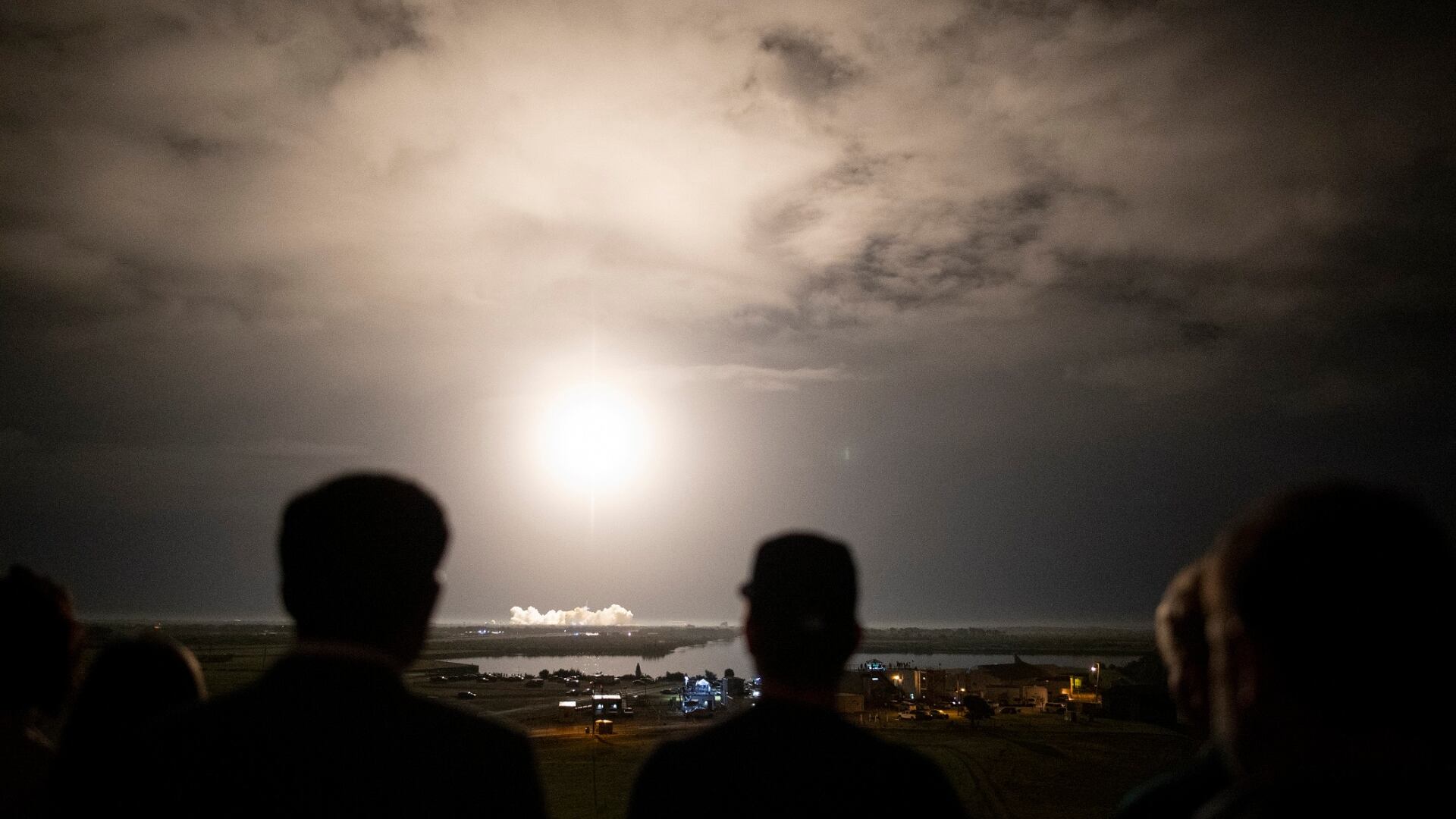
SpaceX and NASA have collaborated on another successful launch sending four astronauts to the international space station. The international crew will stay in orbit aboard the ISS for six months.