President Joe Biden said Thursday that the U.S. will have enough supply of the COVID-19 vaccine by the end of the summer to inoculate 300 million Americans.
Biden made the announcement at the sprawling National Institutes of Health complex just outside Washington as he visited some of the nation's leading scientists on the frontlines of the fight against the disease. He toured the Viral Pathogenesis Laboratory that created the COVID-19 vaccine now manufactured by Moderna and being rolled out in the U.S. and other countries.
The U.S. is on pace to exceed Biden’s goal of administering 100 million vaccine doses in his first 100 days in office, with more than 26 million shots delivered in his first three weeks.
“That’s just the floor,” Biden said. "Our end goal is beating COVID-19.”
Biden announced on Thursday that the U.S. had secured contractual commitments from Moderna and Pfizer to deliver the 600 million doses of vaccine by the end of July — more than a month earlier than initially anticipated.
“We’re now on track to have enough supply for 300 million Americans by the end of July," he announced.
The pace of injections could increase further if a third coronavirus vaccine from drugmaker Johnson & Johnson receives approval from the Food and Drug Administration.
Speaking with Dr. Anthony Fauci, the nation's top infectious-disease specialist, Biden emphasized that his administration is doing everything possible to increase the vaccine supply and the country's capacity to deliver injections into arms.
“It’s been a hell of a learning process," Biden said.
Biden, wearing a mask, used his remarks to criticize President Donald Trump, saying he inherited “no plan to vaccinate most of the country.”
“It is no secret that the vaccination program was in much worse shape than my team and I anticipated,” he said.
To date, the Biden administration has deployed active-duty troops to help stand up mass vaccination sites in several states, as it looks to lay the groundwork for increasing the rate of vaccinations once more supply is available.
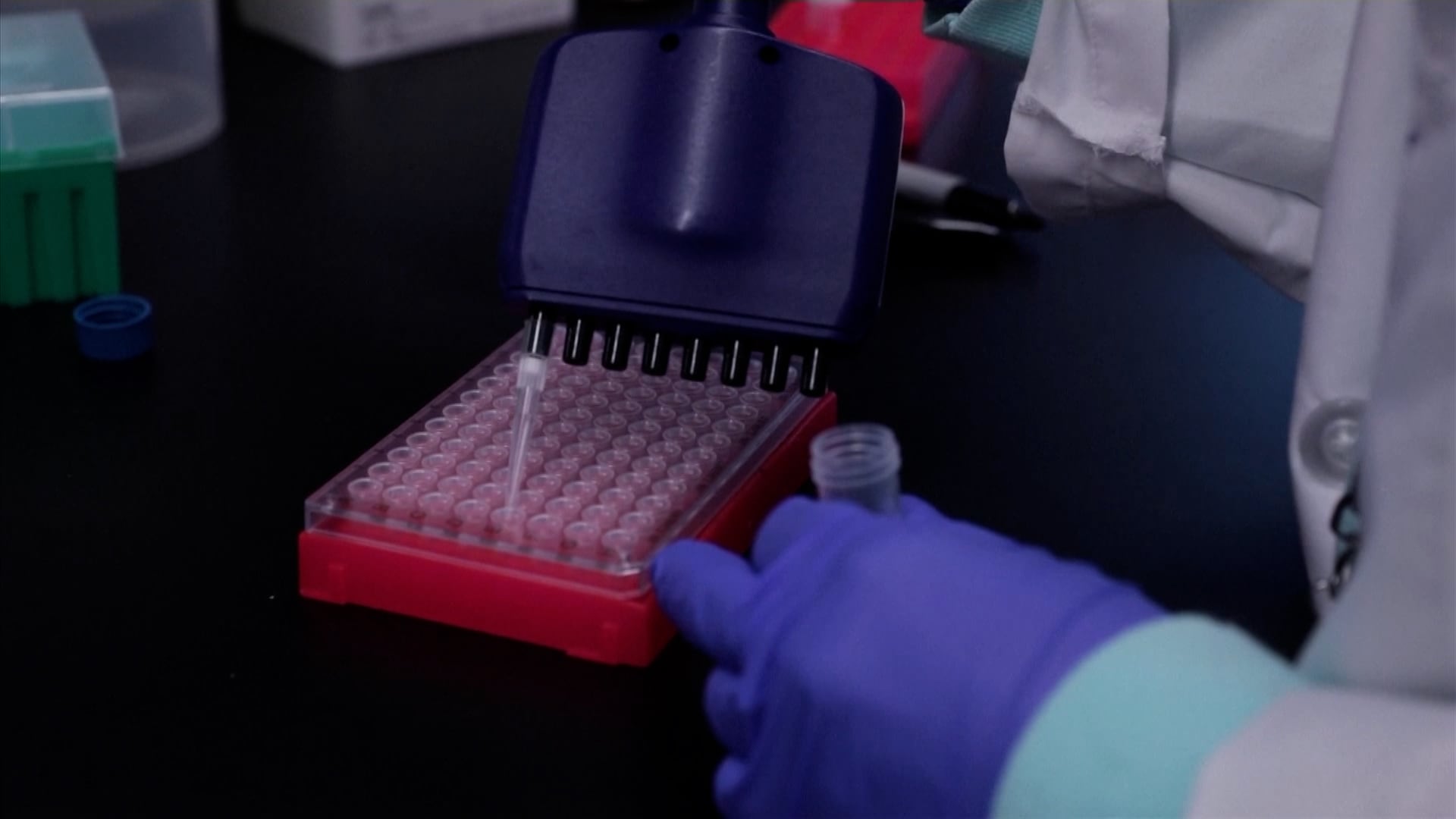
The Viral Pathogenesis Laboratory is led by Dr. Barney Graham, whose team made critical discoveries years ago that laid the groundwork for rapid development of that and other COVID-19 vaccines. Before the pandemic erupted, one of Graham’s research fellows, Dr. Kizzmekia Corbett, had been using those earlier findings to develop a vaccine for MERS, a cousin of COVID-19.
On the tour, Biden was shown the lab bench where researchers sequenced the virus and developed the precursor of the Moderna vaccine.
Armed with their prior research, Corbett and Graham had a head start when Chinese scientists shared the genetic map of the new coronavirus in January 2020. They already knew how to make spike proteins, which coat the surface of the new coronavirus and its MERS relative, that were stable enough to be used as a key vaccine ingredient.
Within days, the NIH had sent instructions to Moderna to brew up doses, and Corbett and her colleagues were setting up the key lab and animal tests that would eventually prove they were on the right track.
Associated Press Medical Writer Lauran Neergaard in Washington contributed to this report.
2021 has been a year filled with extreme weather conditions. Hundreds of thousands of people recently saw the effects of massive tornados that swept across six states. Now, experts say climate change could have played a major role. Jennifer Marlon, research scientist and lecturer at the Yale School of the Environment, joins Cheddar News to discuss.
Anthony Tall, sports agent and president of Miracle Sports Agency, joins Cheddar News to talk about the challenges professional sports leagues are facing amid a surge in coronavirus cases across the U.S.
Extreme weather hit all of us in 2021. Deadly heat hit parts of the U.S. that normally don't even need air conditioning. More than 52,000 wildfires broke out, a terrifying example of what can happen when extreme heat mixes with drought. Hurricane Ida was so powerful it actually briefly reversed the flow of the Mississippi River. Cheddar News did a deep dive into this year's unbelievable weather and how climate change may have impacted it.
With the New Year just around the corner, many people will be making new health and fitness goals. However, after the initial January push, it's easy to drop your resolutions and go back to your old habits. Joan Ifland, CEO of Food Addiction Reset, discusses her best tips for following through with New Year's Resolutions.
Carlo and Baker preview President Biden's address to the nation as Omicron becomes the new dominant Covid strain. Plus, Trump gets booed for getting his booster and the White House gets a new puppy.
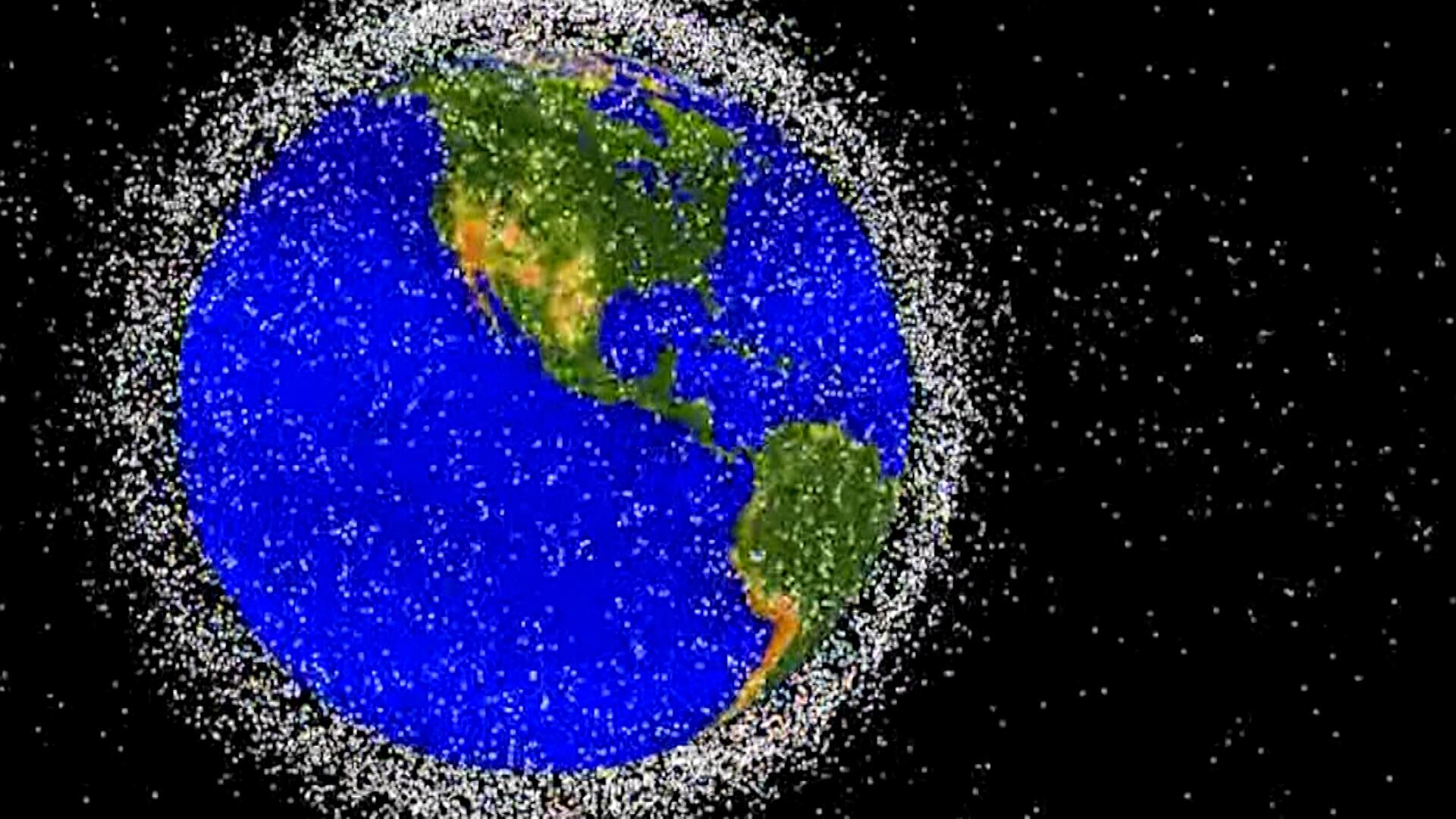
Alinda Mashiku, Conjunction Analysis and Risk Assessment Deputy Manager at the NASA Goddard Space Flight Center, joins Future of Space: Humankind's Leap Forward to explain how space debris is threatening operations in space at a time when more satellites are being deployed.
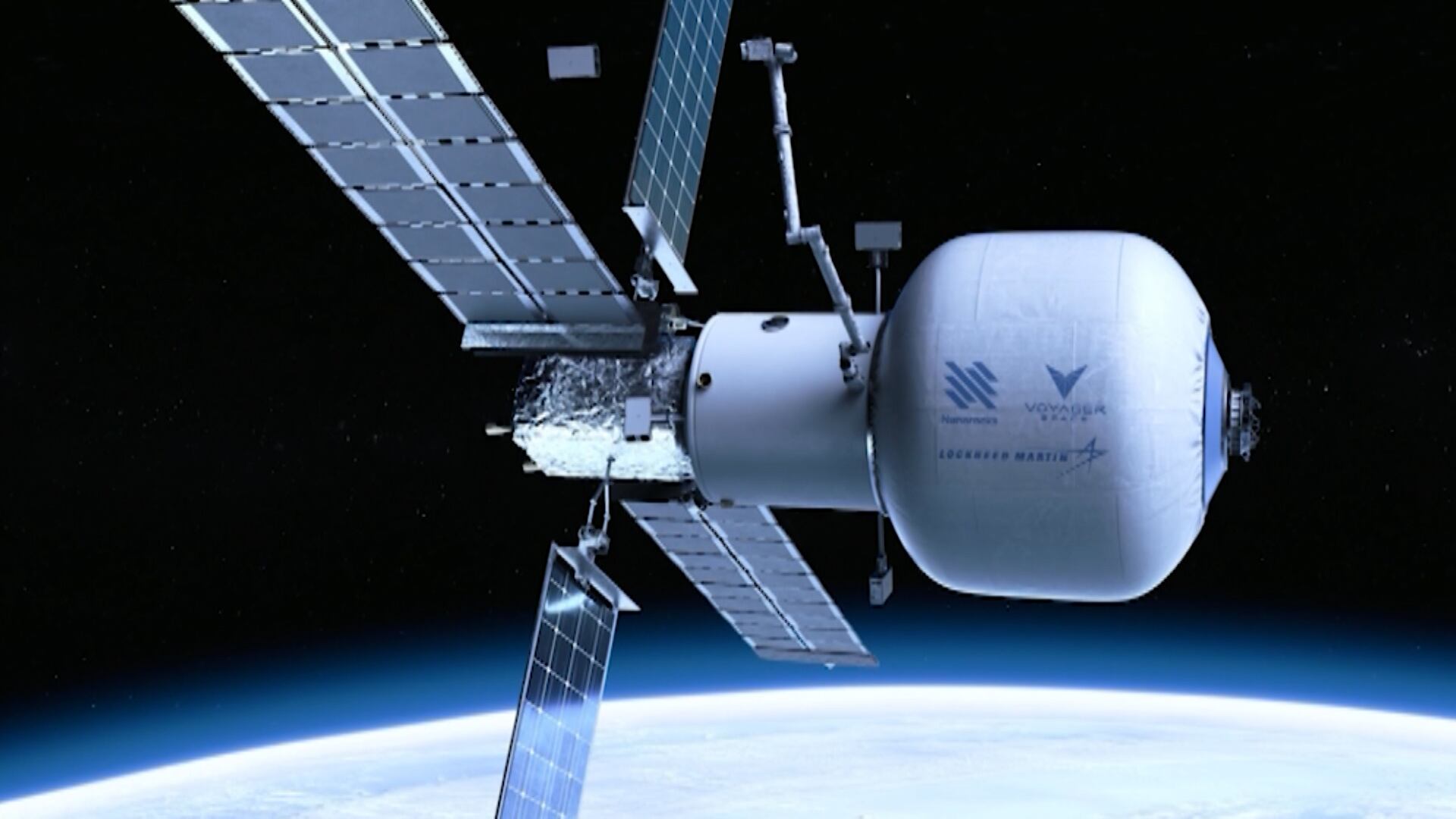
Marshall Smith, Senior Vice President of Space Systems at Nanoracks and Kirk Shireman, Vice President of the Lunar Exploration Campaign at Lockheed Martin join Future of Space: Humankind's Leap Forward to discuss upcoming plans for developing their Starlab commercial space station after being awarded a $160 million contract by NASA.
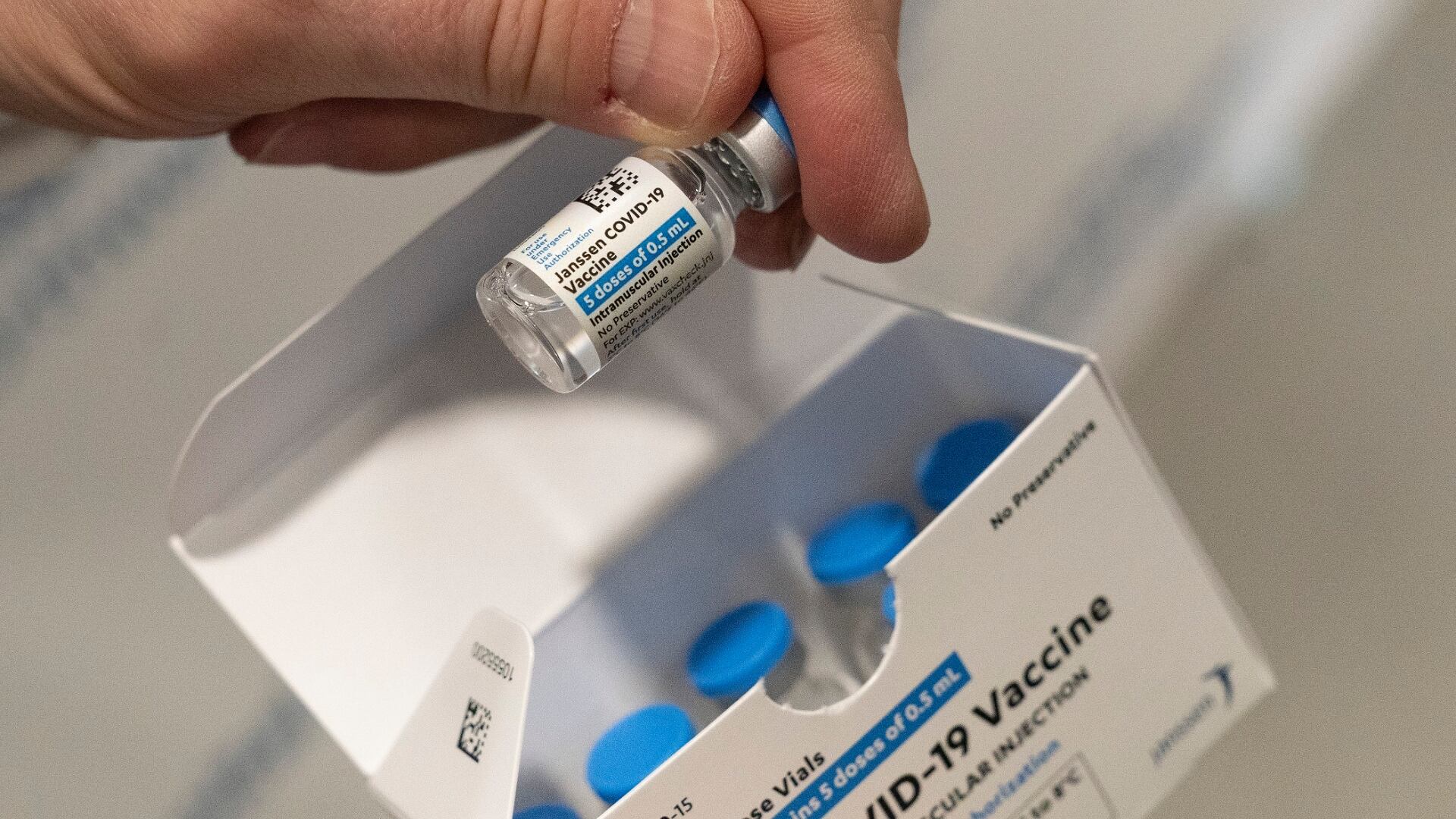
The CDC recently endorsed the advisory committee's recommendation that people should receive the Pfizer or Moderna COVID vaccines over the Johnson & Johnson shot, leaving some questions and concerns for the public. Epidemiologist Dr. Eric Feigl-Ding, spoke to Cheddar about the shift in the agency's stance, and what it might mean. "If you already have it, any side effects are already long past," he said. "Going forward is what they're saying. That getting a booster you should get the Moderna or the Pfizer booster, and I don't think they're encouraging anyone to get de novo Johnson & Johnson as their first shot anymore."
The billionaire space race took off in 2021, making major strides in space tourism. That growth is only expected to skyrocket in the next year, as the government and private institutions and companies look to shape the final frontier's exploration. Cheddar News dives into the biggest moments of the year in space, and what comes next for space travel and tourism.
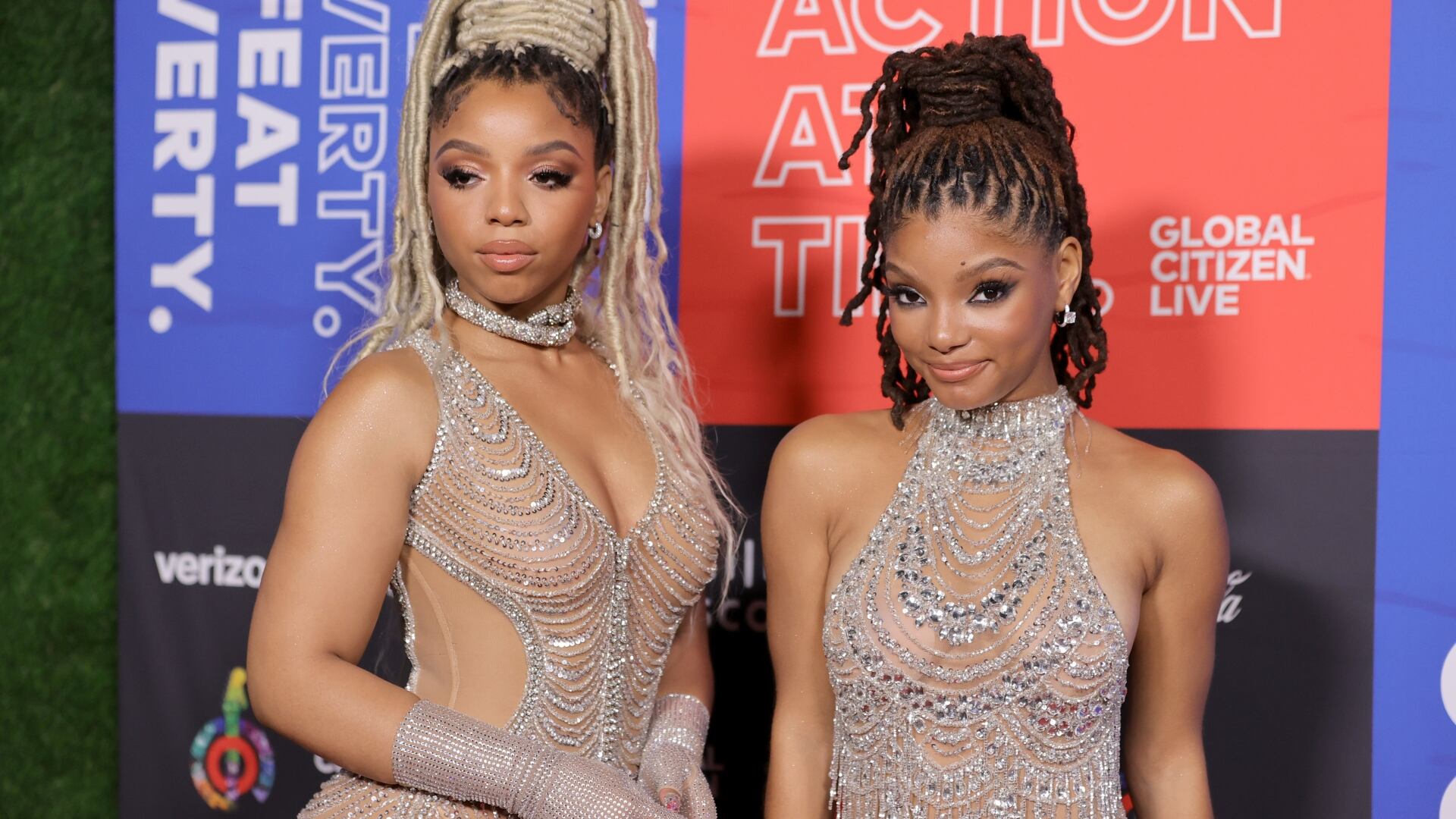
Chloe and Halle Bailey are no strangers to hard work. The sisters got their start performing covers on YouTube and have become a force in the music industry. Since then, the two have spread their wings beyond their duo group to individual projects. Now they're coming together to face off in the LG OLED Ultimate Gaming Showdown. Chloe and Halle join Cheddar News to discuss.