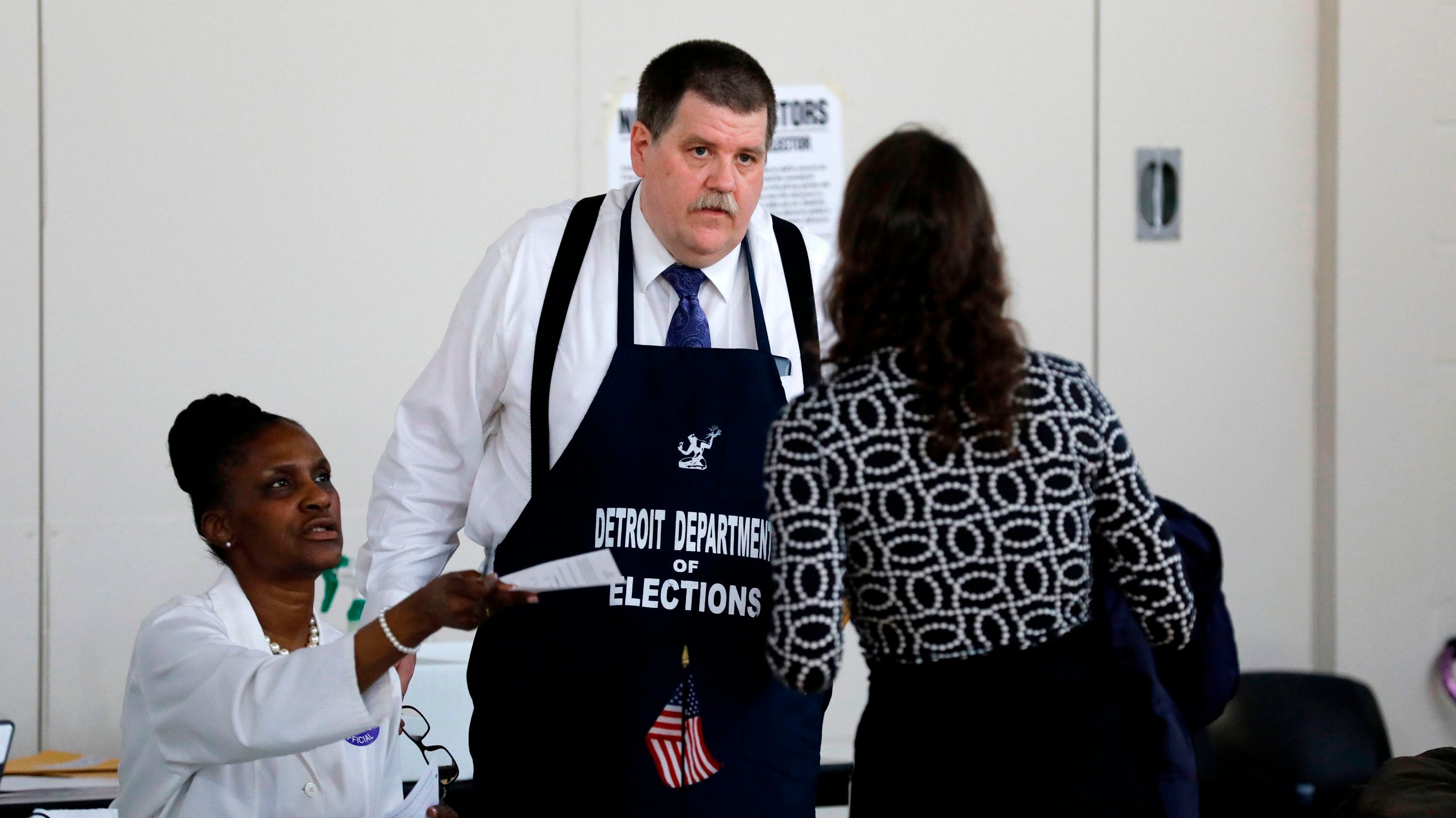
Ted Dickens (C) assists a person to get their ballot to vote in the Michigan primary election at Chrysler Elementary School in Detroit, Michigan, on March 10, 2020. (Photo by JEFF KOWALSKY/AFP via Getty Images)
Six more states will vote in the Democratic primary Tuesday night in the first contest since Senator Elizabeth Warren and former NYC Mayor Mike Bloomberg exited the field and prominent moderates coalesced around former Vice President Joe Biden.
Biden and Vermont Senator Bernie Sanders will go head to head for the 352 delegates promised on what some are calling ‘Super Tuesday 2.0,’ with a focus on the battleground state of Michigan, where Biden is up by 24 points according to the last Detroit Free Press poll out today. FiveThirtyEight also has the former VP slated to win every state tonight.
Michigan, a blue state for Obama that voted for Trump in 2016, but also awarded Sanders a surprising primary victory the same year, is potentially showing signs it may again lean blue. One Republican mayor said he is backing Biden in the primary. Michael Taylor of Sterling Heights, in Macomb County, voted for John McCain in 2008 and Mitt Romney in 2012 and his county voted for Trump in 2016.
Some states voting today are battling coronavirus outbreaks like heavily stricken Washington, which promises the second-highest delegate haul. The state, which votes-by-mail, has asked voters to use water (instead of saliva) to seal ballot envelopes. As for Michigan, election officials are advising regular cleaning of voting machines and social distancing between voters.
Though campaign rallies are still on, staffers were using hand sanitizer on those entering rallies at a Biden event in Michigan. President Trump has also said he is not changing his own campaign plans, though public health officials worldwide are advising against public gatherings.
Matt Hayden, vice president of govtech solutions at Exiger and a former assistant secretary of cyber at Department of Homeland Security, joined Cheddar to discuss the surprise phone call initiated by Russian President Vladimir Putin to President Joe Biden, ahead of January security talks about the rising tensions over Ukraine. "We're hoping to hear that we're able to talk about the aggression and the leadup of the Ukrainian militarization," Hayden said. "But we're also looking to hear is how the Kremlin leveraged their talking points to try to test their negotiation stance with the United States leading into this January 10th meeting."
The No Surprises Act begins implementation on January 1, 2022. The legislation is meant to curb the practice of unexpected billing for care from providers the patient was unaware were out-of-network from their insurance. Patricia Kelmar, director of health care campaigns for U.S. PIRG joined Cheddar to describe the hundreds, sometimes thousands, of dollars charged to unsuspecting patients and how things will change under the new law. "If we are picking an in-network doctor and an in-network hospital, we should not see those added costs from anesthesiologists, radiologists, scrub-in surgeons," she said. "The other area it protects you is in air ambulances — not ground ambulances, unfortunately — but the helicopters or the airplanes you might need to transport you in an emergency situation."
President Joe Biden and Russian President Vladmir Putin are expected to have another conversation surrounding escalating tensions between Russia and Ukraine. Ariel Cohen, senior fellow at the Atlantic Council, joined Cheddar's Ken Buffa to discuss the ongoing tensions and why Putin's request for a conversation with Biden comes now. "This is very serious. This is the worst security crisis we had since the collapse of the Soviet Union," Cohen told Cheddar.
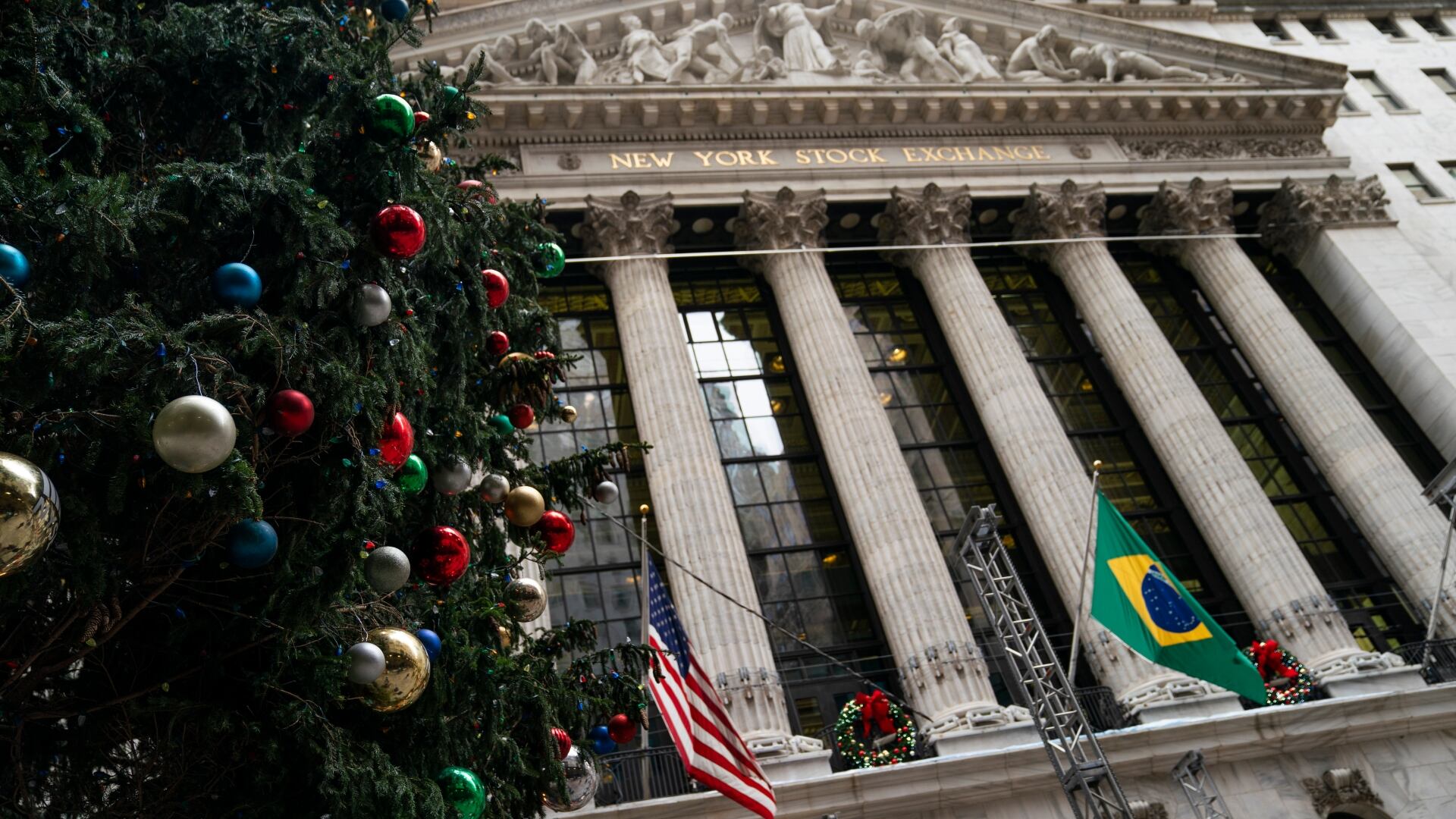
Stocks closed mixed on Wednesday, but two indexes - the Dow and the S&P 500 - ended the session with a new record. Akshata Bailkeri, Equity Analyst at Bruderman Asset Management, joins Cheddar News' Closing Bell, where she says there is a consensus for robust consumer spreading in 2022, especially as the Omicron variant is proving to be milder than other COVID-19 strains.
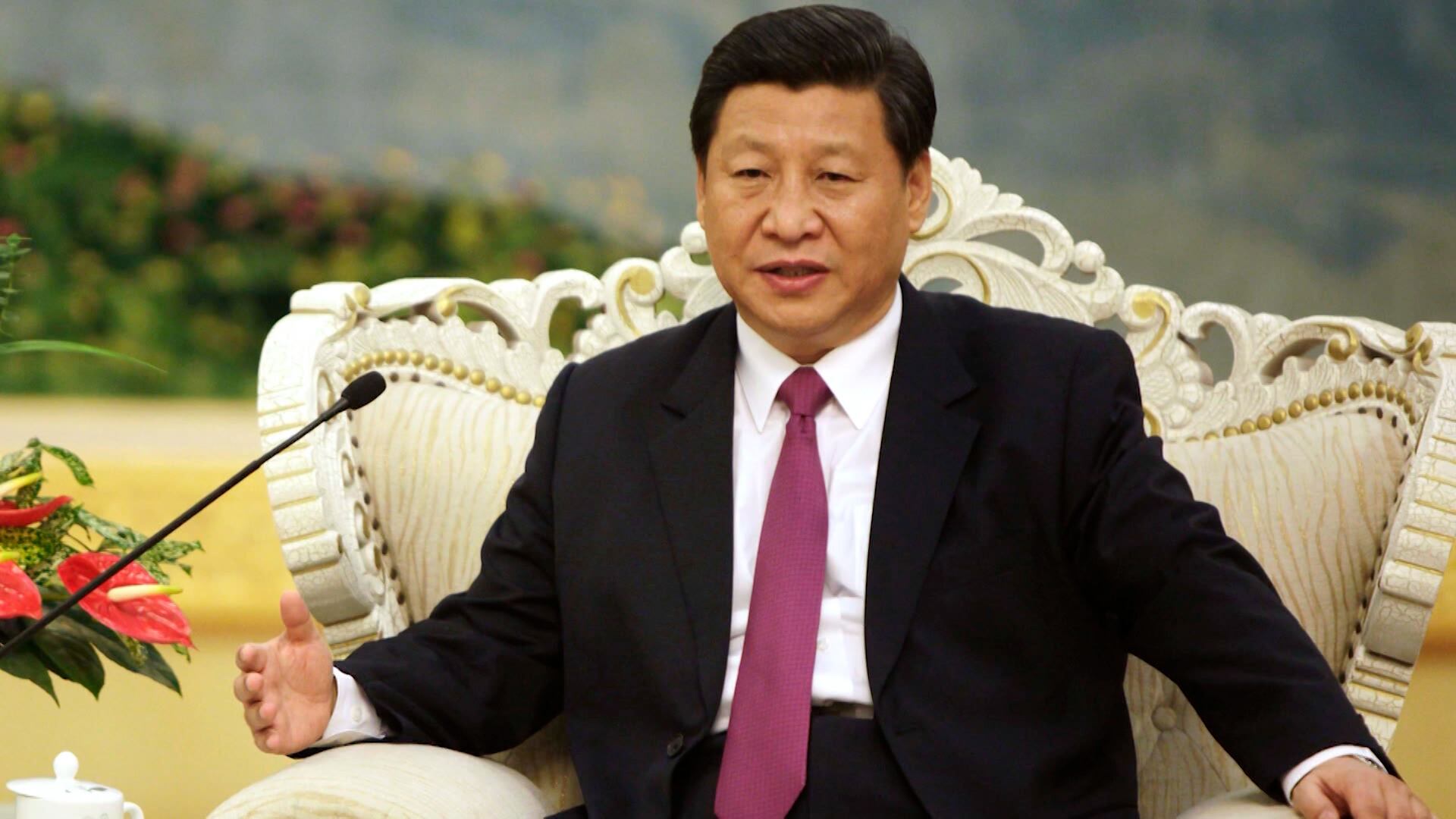
John Quelch, Dean of Miami Herbert Business School, joins Cheddar News' Closing Bell, where he says the retail giant is acting in accordance to President Biden's new law banning goods from China's Xinjiang region. Quelch also elaborates on the importance of China in Walmart's overall strategy.