By Josh Boak
The Treasury Department said Monday that 39 million families are set to receive monthly child payments beginning on July 15.
The payments are part of President Joe Biden's $1.9 trillion coronavirus relief package, which expanded the child tax credit for one year and made it possible to pre-pay the benefits on a monthly basis. Nearly 88% of children are set to receive the benefits without their parents needing to take any additional action.
“This tax cut sends a clear and powerful message to American workers, working families with children: Help is here,” Biden said in remarks at the White House.
Qualified families will receive a payment of up to $300 per month for each child under 6 and up to $250 per month for children between the ages of 6 and 17. The child tax credit was previously capped at $2,000 and only paid out to families with income tax obligations after they filed with the IRS.
But for this year, couples earning $150,000 or less can receive the full payments on the 15th of each month, in most cases by direct deposit. The benefits total $3,600 annually for children under 6 and $3,000 for those who are older. The IRS will determine eligibility based on the 2019 and 2020 tax years, but people will also be able to update their status through an online portal. The administration is also setting up another online portal for non-filers who might be eligible for the child tax credit.
The president has proposed an extension of the increased child tax credit through 2025 as part of his $1.8 trillion families plan. Outside analysts estimate that the payments could essentially halve child poverty. The expanded credits could cost roughly $100 billion a year.
Updated on May 17, 2021, at 2:06 p.m. ET with the latest details.
The U.S. Department of Agriculture announced a nearly $11 billion investment on Tuesday to help bring affordable clean energy to rural communities throughout the country.
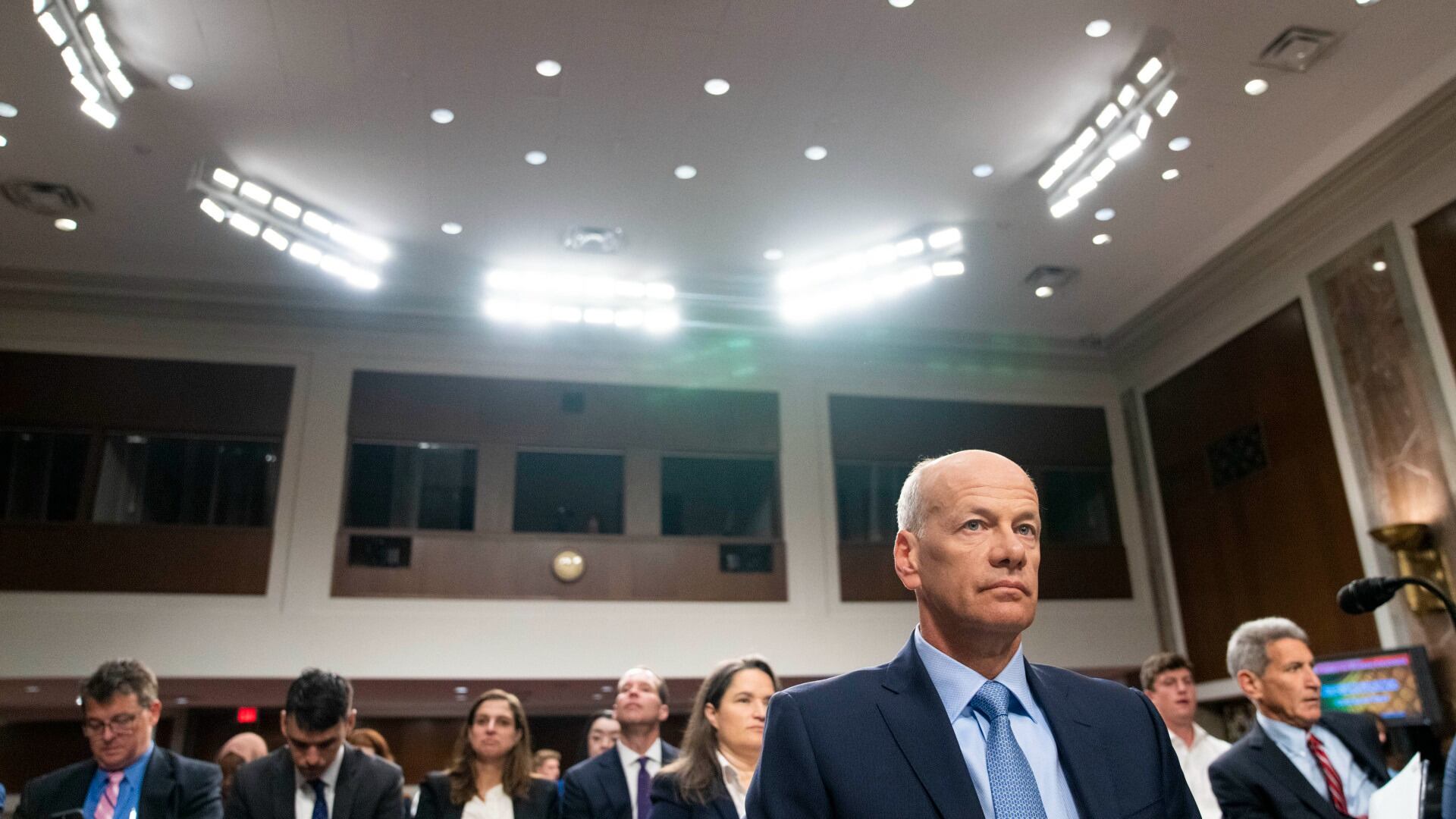
Top executives at Silicon Valley Bank and Signature Bank largely avoided taking responsibility for their banks’ dramatic failures at a Senate hearing Tuesday.
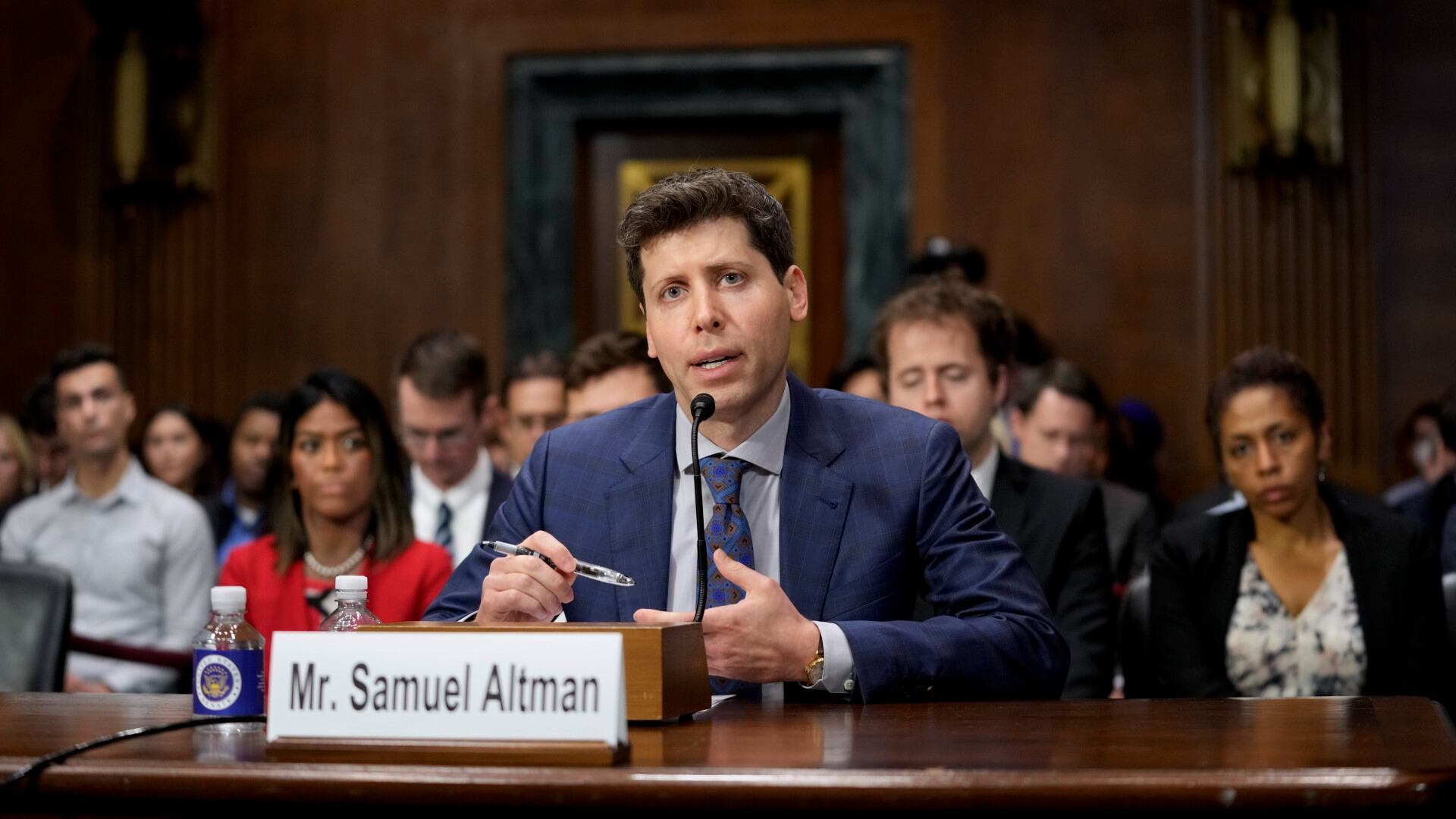
The head of the artificial intelligence company that makes ChatGPT will testify before Congress as lawmakers call for new rules to guide the rapid development of AI technology.
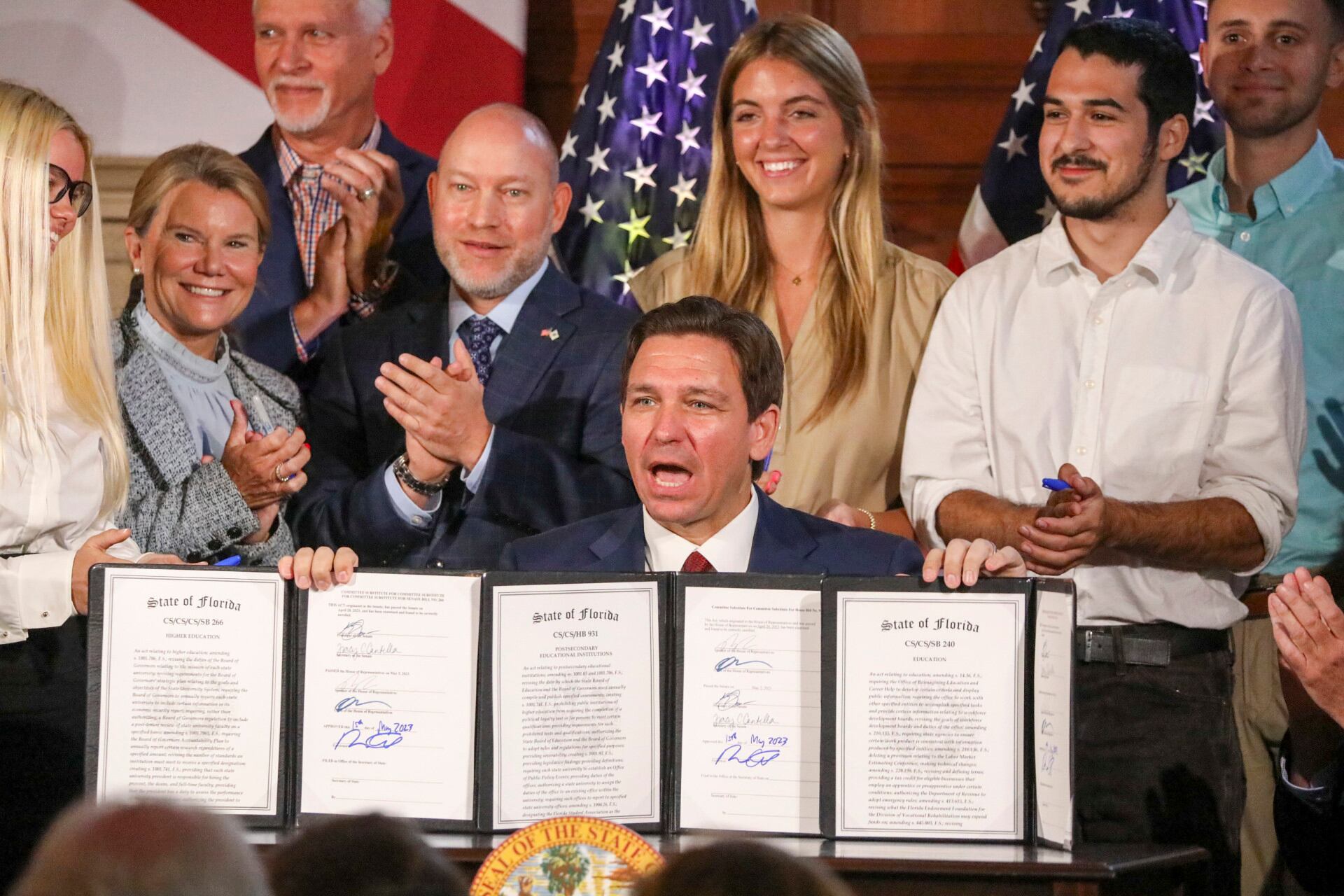
Florida Gov. Ron DeSantis on Monday signed a bill that blocks public colleges from using federal or state funding on diversity programs, addressing a concern of conservatives ahead of the Republican governor's expected presidential candidacy.
A special prosecutor found that the FBI rushed into its investigation of ties between Russia and Donald Trump's 2016 campaign and relied too much on raw and unconfirmed intelligence as he concluded a four-year probe that fell far short of the former president's prediction that the “crime of the century" would be uncovered.
North Carolina Gov. Roy Cooper vetoed a bill passed by state lawmakers that would ban most abortions after 12 weeks.
U.S. Rep. Gerry Connolly of Virginia says a man with a baseball bat walked into his Fairfax office, asked for him, and then assaulted two members of his staff.
Thanks to recent advances in artificial intelligence, tools that can create lifelike photos, video and audio are now cheap and readily available.
In front of an exuberant crowd, North Carolina’s Democratic governor vetoed legislation Saturday that would have banned nearly all abortions in his state after 12 weeks of pregnancy.
Turkey’s presidential elections appeared to be heading toward a second-round runoff on Monday, with President Recep Tayyip Erdogan, who has ruled his country with a firm grip for 20 years, leading over his chief challenger, but falling short of the votes needed for an outright win.