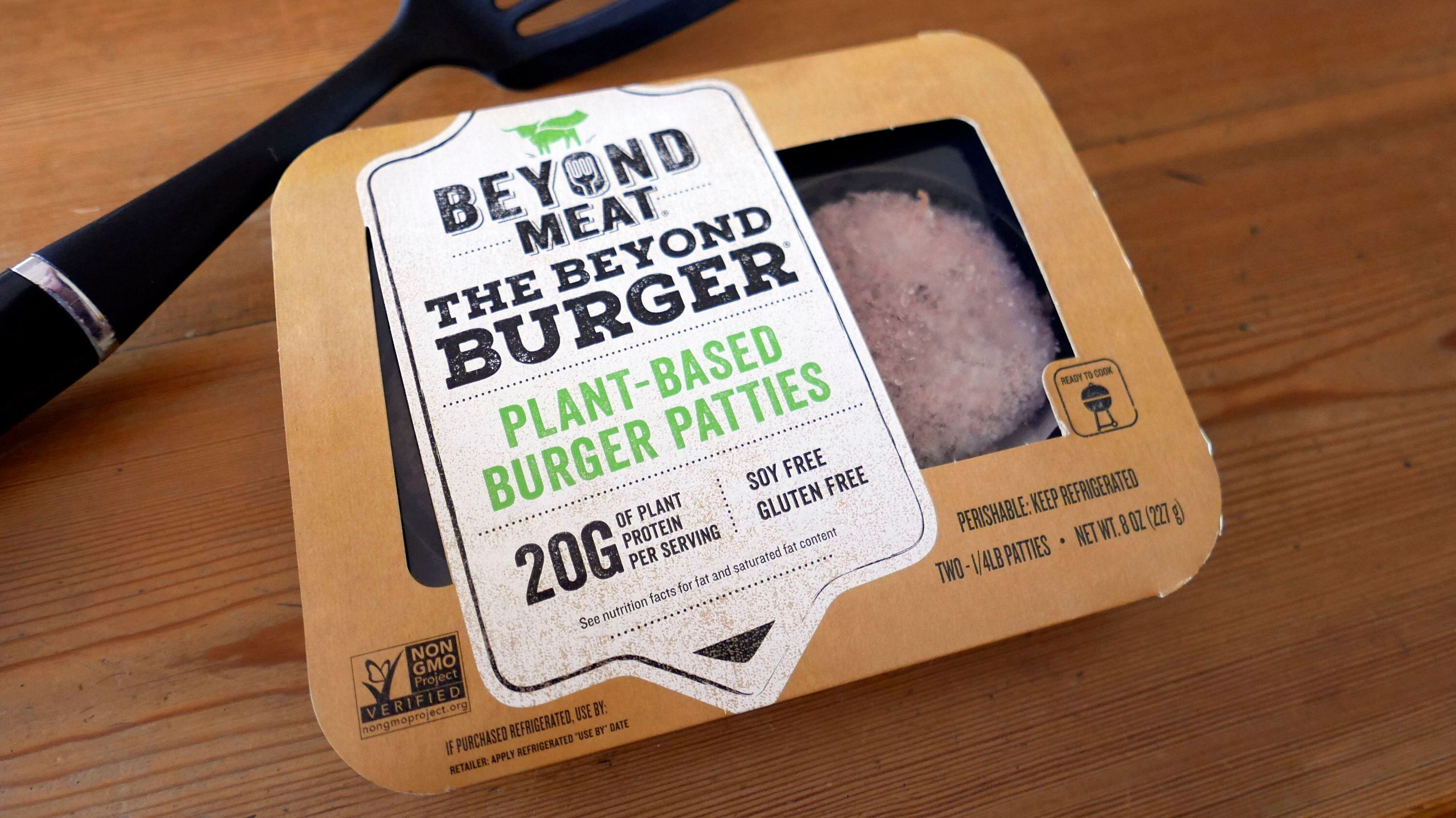
Beyond Meat stocks plummeted after Monday’s closing bell when the company released its second-quarter earnings report, despite trading up for shorter periods.
Concerning investors first was news that the company lost 24 cents in revenue-per-share, far more than the 8 cents anticipated by the financial markets data firm Refinitiv. Then the company announced that it would pursue a secondary offering, selling more shares in the company from common and company-owned stock.
On the positive side, the company’s revenues came in nearly $15 million more than expected, at $67.3 million. That growth constituted a 287 percent jump in revenue from the same period in 2018.
The company has now raised annual revenue guidance from $210 million to $240 million.
Earlier this year, Beyond Meat ($BYND) saw one of the most successful public offerings in 2019.
“The main reason that Beyond Meat is up 800 percent since day one of the IPO is not earnings-per-share, but revenue growth. The plant-based meat sector still has 1 percent market share of the overall meat market,” said Jason Rotman, the director of EverPlus Capital.
“If Beyond Meat could even capture 1 to 2 percent of the overall meat purchases of the consumers, this stock could literally be many multiples higher than it is now over the next few years.”
The company has clung to its first-mover advantage as competitor Impossible Foods, with about $700 million raised in fundraising, has opted to stay private.
Beyond Meat, unlike Impossible Foods, has typically focused first on introducing its product in retail.
But the company has recently racked up several major deals with fast-casual and fast food chains, including, most recently, Dunkin’.
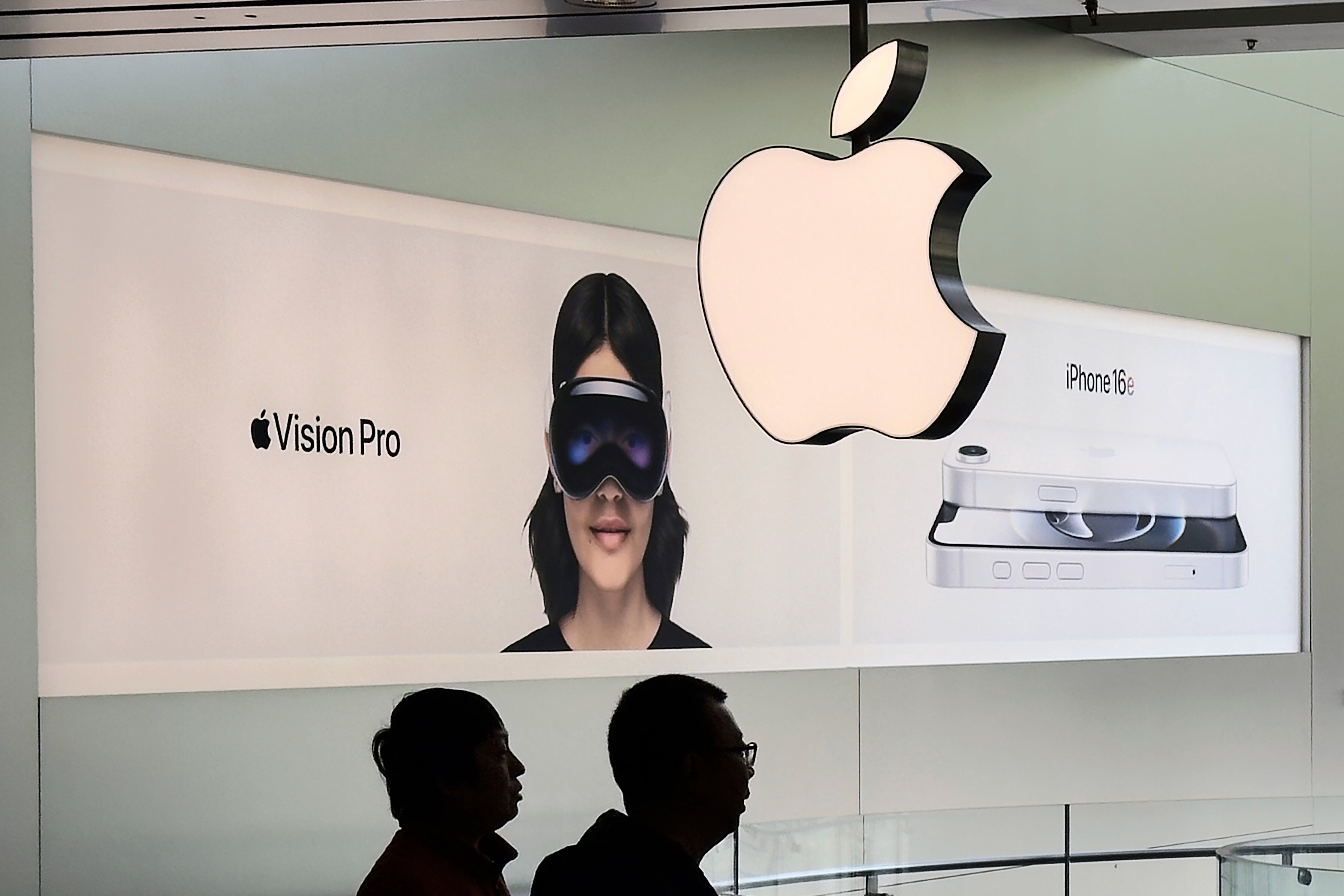
Apple CEO Tim Cook said Thursday that the majority of iPhones sold in the U.S. in the current fiscal quarter will be sourced from India, while iPads and other devices will come from Vietnam as the company works to avoid the impact of President Trump’s tariffs on its business. Apple’s earnings for the first three months of the year topped Wall Street’s expectations thanks to high demand for its iPhones, and the company said tariffs had a limited effect on the fiscal second quarter’s results. Cook added that for the current quarter, assuming things don’t change, Apple expects to see $900 million added to its costs as a result of the tariffs.
Visa is hoping to hand your credit card to an artificial intelligence “agent” that can find and buy clothes, groceries, airplane tickets and other items on your behalf.
Skift Editor-In-Chief Sarah Kopit discusses how summer travel plans remain uncertain for most as many international travelers are leery to travel abroad. Watch!
Seth Schachner, Managing Director at Strat Americas, on Hollywood's latest blockbusters utilizing content creation. Plus, the future of YouTube and TikTok.
Ashley Gold, Axios' Tech/Policy reporter, discusses what the future of Google and search engines will look like after the tech giant faces an antitrust trial.