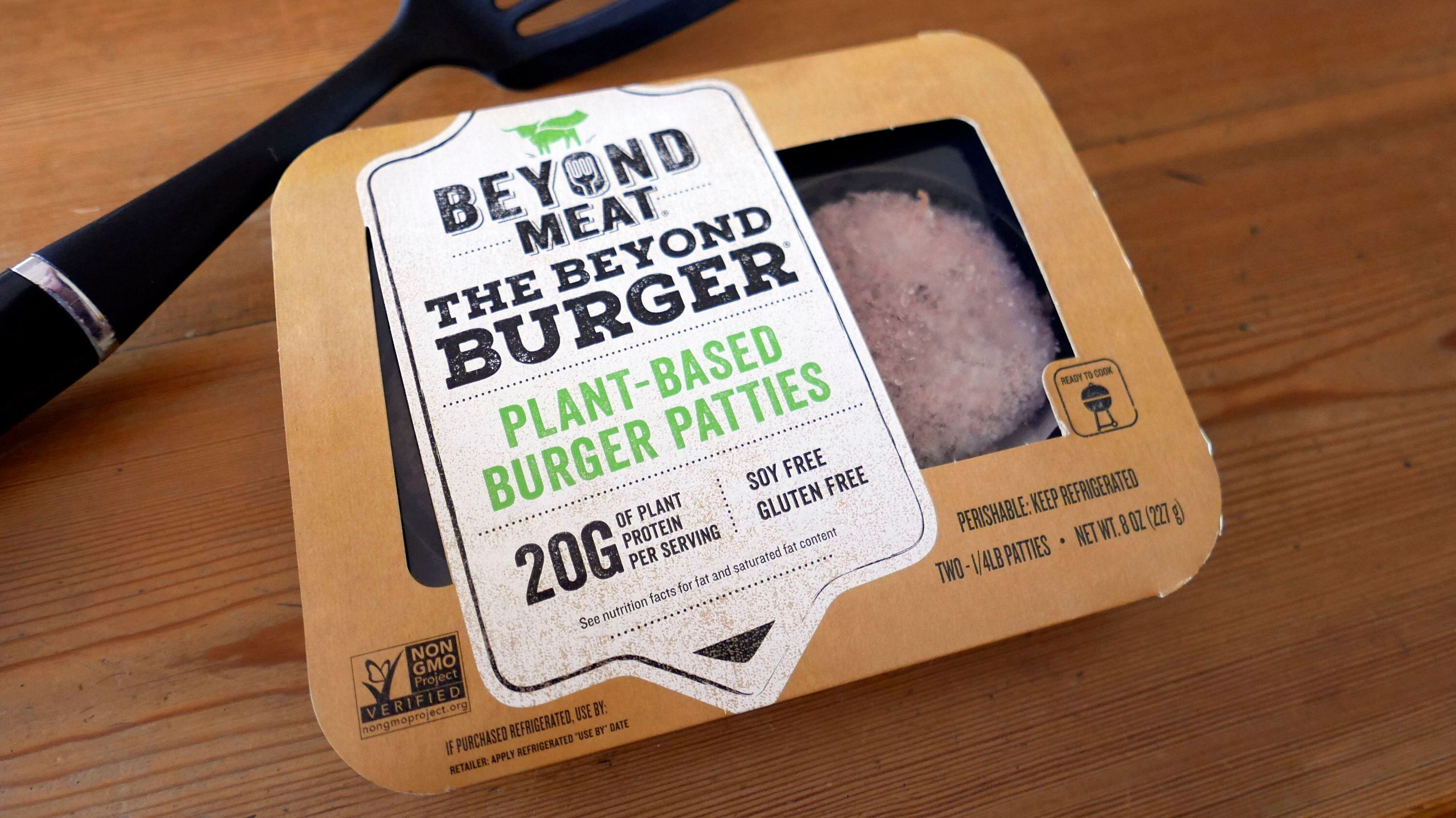
Beyond Meat stocks plummeted after Monday’s closing bell when the company released its second-quarter earnings report, despite trading up for shorter periods.
Concerning investors first was news that the company lost 24 cents in revenue-per-share, far more than the 8 cents anticipated by the financial markets data firm Refinitiv. Then the company announced that it would pursue a secondary offering, selling more shares in the company from common and company-owned stock.
On the positive side, the company’s revenues came in nearly $15 million more than expected, at $67.3 million. That growth constituted a 287 percent jump in revenue from the same period in 2018.
The company has now raised annual revenue guidance from $210 million to $240 million.
Earlier this year, Beyond Meat ($BYND) saw one of the most successful public offerings in 2019.
“The main reason that Beyond Meat is up 800 percent since day one of the IPO is not earnings-per-share, but revenue growth. The plant-based meat sector still has 1 percent market share of the overall meat market,” said Jason Rotman, the director of EverPlus Capital.
“If Beyond Meat could even capture 1 to 2 percent of the overall meat purchases of the consumers, this stock could literally be many multiples higher than it is now over the next few years.”
The company has clung to its first-mover advantage as competitor Impossible Foods, with about $700 million raised in fundraising, has opted to stay private.
Beyond Meat, unlike Impossible Foods, has typically focused first on introducing its product in retail.
But the company has recently racked up several major deals with fast-casual and fast food chains, including, most recently, Dunkin’.
Rite Aid has been banned from using facial recognition technology for five years over allegations that a surveillance system it used incorrectly identified potential shoplifters, especially Black, Latino, Asian or female shoppers.
The union representing Southwest Airlines pilots says it reached a new contract agreement in principle with the airline following three years of negotiations.
U.S. Bank has been hit with a $36 million fine for freezing debit cards that distributed unemployment benefits during the pandemic.
Construction of new homes rose by double digits in November, according to data from the Commerce Department.
Cheddar News' Need2Know is brought to you by Securitize, which helps unlock broader access to alternative investments in private businesses, funds, and other alternative assets. The private credit boom is here and the Hamilton Lane Senior Credit Opportunities Fund has tripled in assets under management in just six months from November 2022 through April this year. Visit Securitize.io to learn more.
Stocks opened lower after the opening bell and on track for its first decline in 10 days after a recent winning streak.
Tesla drivers in the U.S. were in more accidents than drivers of any other car brand this year, according to a study.
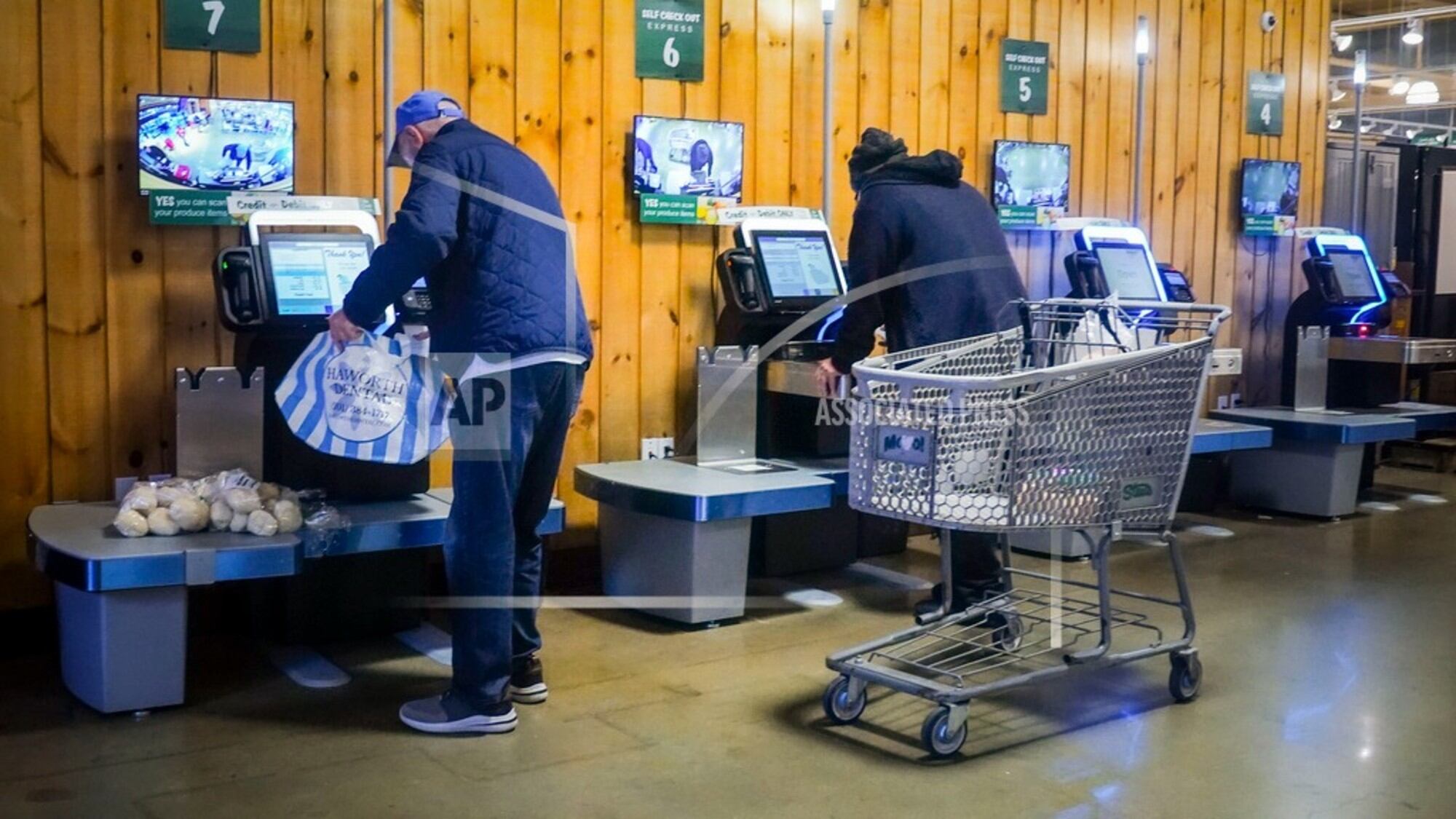
The promise of self-checkout was alluring: Customers could avoid long lines by scanning and bagging their own items, workers could be freed of doing those monotonous tasks themselves and retailers could save on labor costs.
Monsanto was ordered to pay $857 million to students and parent volunteers at a Washington school.
A federal judge has struck down hundreds of lawsuits filed against the makers of Tylenol and generic acetaminophen.