Beyond Meat stocks plummeted after Monday’s closing bell when the company released its second-quarter earnings report, despite trading up for shorter periods.
Concerning investors first was news that the company lost 24 cents in revenue-per-share, far more than the 8 cents anticipated by the financial markets data firm Refinitiv. Then the company announced that it would pursue a secondary offering, selling more shares in the company from common and company-owned stock.
On the positive side, the company’s revenues came in nearly $15 million more than expected, at $67.3 million. That growth constituted a 287 percent jump in revenue from the same period in 2018.
The company has now raised annual revenue guidance from $210 million to $240 million.
Earlier this year, Beyond Meat ($BYND) saw one of the most successful public offerings in 2019.
“The main reason that Beyond Meat is up 800 percent since day one of the IPO is not earnings-per-share, but revenue growth. The plant-based meat sector still has 1 percent market share of the overall meat market,” said Jason Rotman, the director of EverPlus Capital.
“If Beyond Meat could even capture 1 to 2 percent of the overall meat purchases of the consumers, this stock could literally be many multiples higher than it is now over the next few years.”
The company has clung to its first-mover advantage as competitor Impossible Foods, with about $700 million raised in fundraising, has opted to stay private.
Beyond Meat, unlike Impossible Foods, has typically focused first on introducing its product in retail.
But the company has recently racked up several major deals with fast-casual and fast food chains, including, most recently, Dunkin’.
Former Cisco Systems CEO John Chambers learned all about technology’s volatile highs and lows as a veteran of the internet’s early boom days during the late 1990s and the ensuing meltdown that followed the mania. And now he is seeing potential signs of the cycle repeating with another transformative technology in artificial intelligence. Chambers is trying take some of the lessons he learned while riding a wave that turned Cisco into the world's most valuable company in 2000 before a crash hammered its stock price and apply them as an investor in AI startups. He recently discussed AI's promise and perils during an interview with The Associated Press.
Grove Collaborative’s CEO shares how the company is reinventing everyday goods with sustainability at the core and working toward a plastic-free future.
Atlanta Mayor Andre Dickens shares plans for affordable housing, community-led growth, and why private and public grocery stores could be key to food equity.
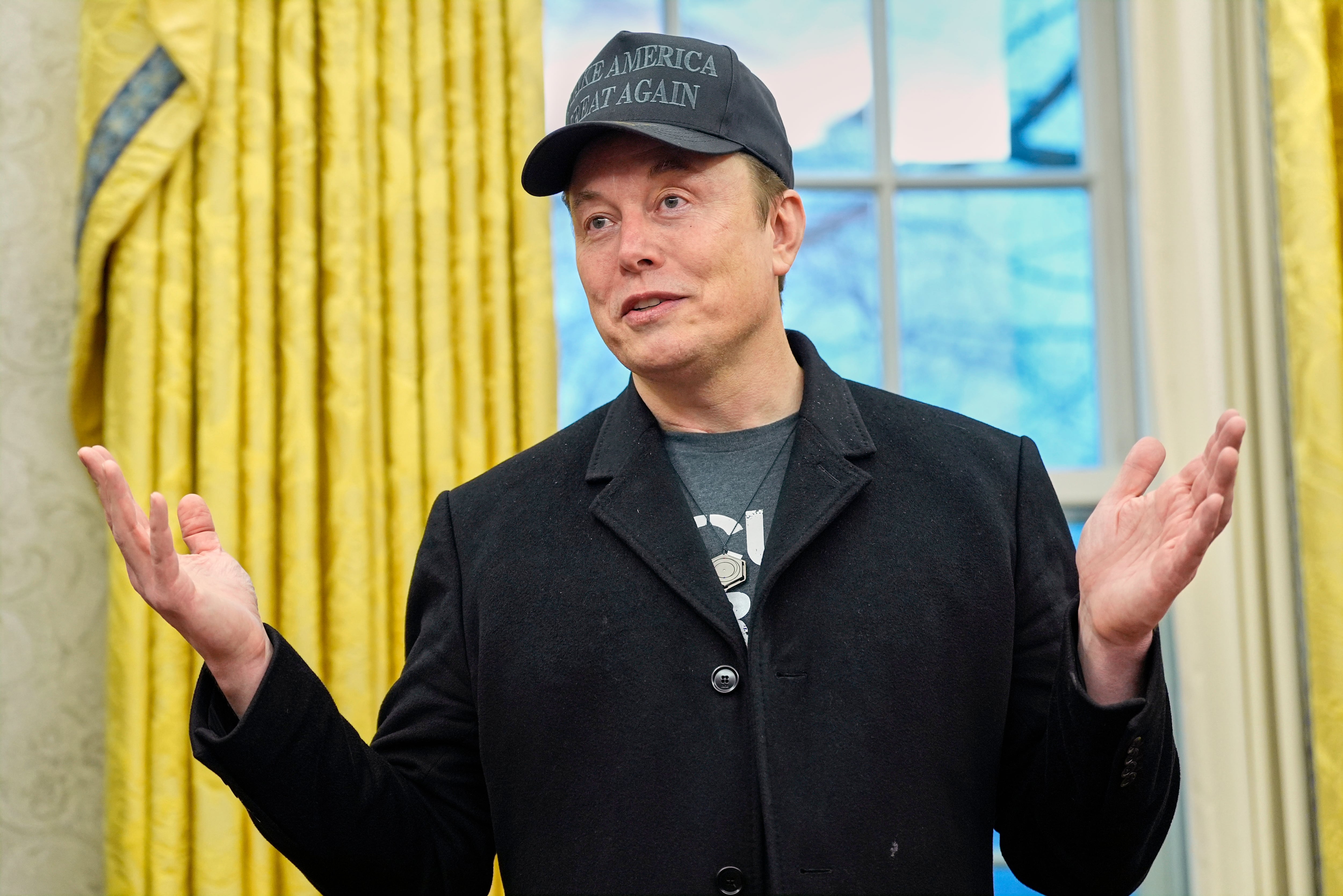
Tesla reported a surprise increase in sales in the third quarter as the electric car maker likely benefited from a rush by consumers to take advantage of a $7,500 credit before it expired on Sept. 30. The company reported Thursday that sales in the three months through September rose 7% compared to the same period a year ago. The gain follows two quarters of steep declines as people turned off by CEO Elon Musk’s foray into right-wing politics avoided buying his company’s cars and even protested at some dealerships. Sales rose to 497,099 vehicles, compared with 462,890 in the same period last year.
Tom’s Guide Editor-in-Chief Mark Spoonauer breaks down Apple & Amazon's latest product drops—what's hot, what's hype, and what really matters for users.
InnerPlant CEO Shely Aronov reveals how engineered crops like soybeans and corn emit signals when stressed—offering farmers early warnings to boost yields.