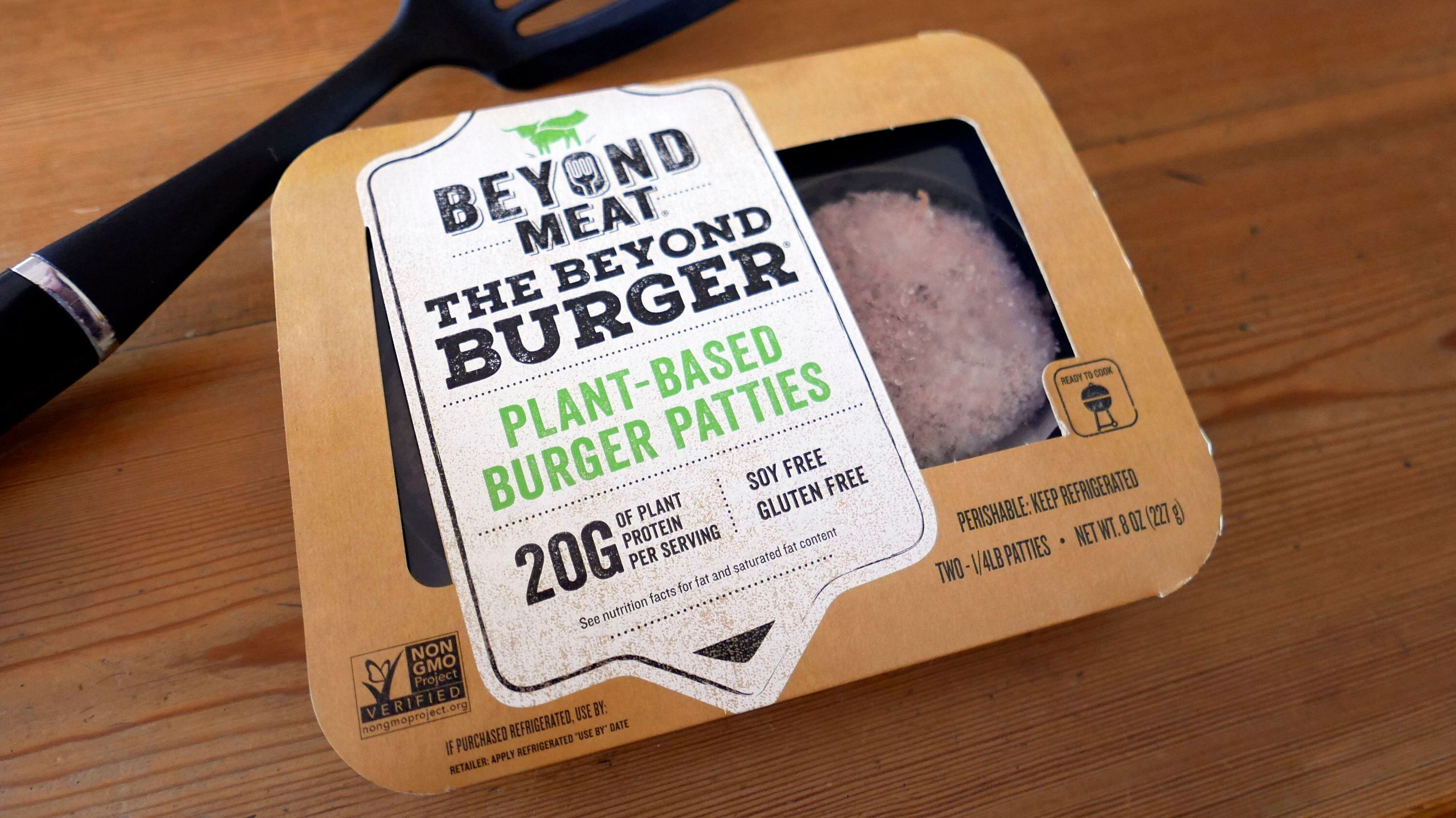
Beyond Meat stocks plummeted after Monday’s closing bell when the company released its second-quarter earnings report, despite trading up for shorter periods.
Concerning investors first was news that the company lost 24 cents in revenue-per-share, far more than the 8 cents anticipated by the financial markets data firm Refinitiv. Then the company announced that it would pursue a secondary offering, selling more shares in the company from common and company-owned stock.
On the positive side, the company’s revenues came in nearly $15 million more than expected, at $67.3 million. That growth constituted a 287 percent jump in revenue from the same period in 2018.
The company has now raised annual revenue guidance from $210 million to $240 million.
Earlier this year, Beyond Meat ($BYND) saw one of the most successful public offerings in 2019.
“The main reason that Beyond Meat is up 800 percent since day one of the IPO is not earnings-per-share, but revenue growth. The plant-based meat sector still has 1 percent market share of the overall meat market,” said Jason Rotman, the director of EverPlus Capital.
“If Beyond Meat could even capture 1 to 2 percent of the overall meat purchases of the consumers, this stock could literally be many multiples higher than it is now over the next few years.”
The company has clung to its first-mover advantage as competitor Impossible Foods, with about $700 million raised in fundraising, has opted to stay private.
Beyond Meat, unlike Impossible Foods, has typically focused first on introducing its product in retail.
But the company has recently racked up several major deals with fast-casual and fast food chains, including, most recently, Dunkin’.
CEOs of social media platforms like Facebook, TikTok, and more meet with lawmakers Wednesday about how they are protecting children from sexual exploitation.
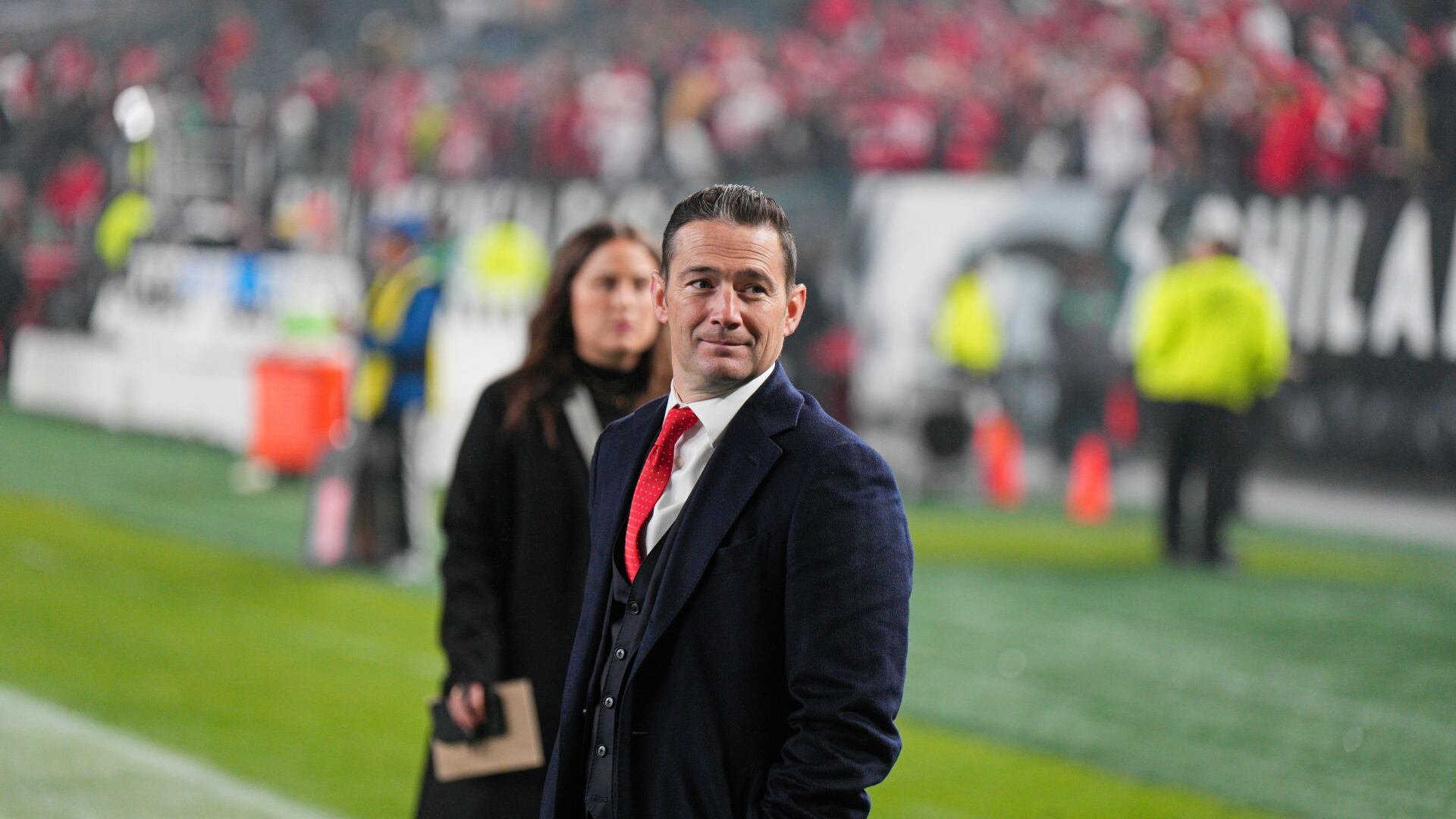
San Francisco 49ers president Al Guido discusses what goes into preparing for Super Bowl LVIII, building a championship-ready team, and how Taylor Swift and streaming are both bringing new fans to the NFL.
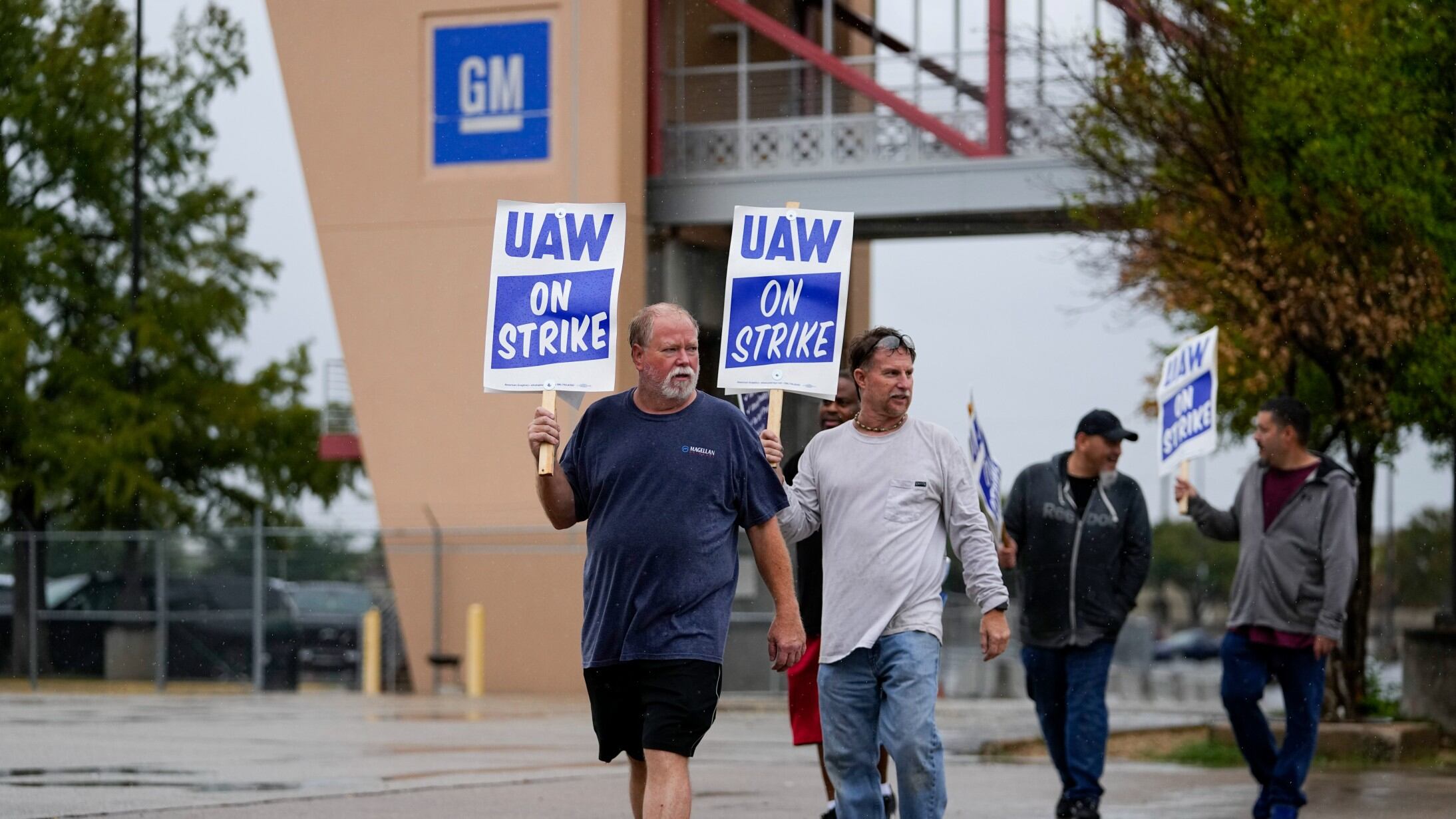
A $1 billion loss from a six-week strike did not crash GM's net income last year, which instead rose 12% — and the automaker expects improvement in 2024, too.
Accrue CEO and founder Michael Hershfield explains why Americans' credit card delinquencies are on the rise, advice on what can help, and the key difference between Boomers and Gen Z when it comes to money.
Senior Economist at Morning Consult Kayla Bruun shares thoughts on what to expect from the Fed's January meeting and where monetary policy is headed, as well as how consumers are faring.
Former Medtronic CEO and author of 'True North' Bill George explains the steps Boeing leadership must take to regain client and consumer trust after 737 Max 9 production was stopped.
Amazon blamed "regulatory hurdles" for calling off its proposed acquisition of robot vacuum maker iRobot. Not even a Roomba could clean up the deal's antitrust scrutiny.
To celebrate Flutter Entertainment's debut on the NYSE, FanDuel CEO Amy Howe shares her thoughts on the company's plans for growth, the future of online sportsbetting, and Super Bowl Sunday.
Investopedia's Caleb Silver shares thoughts on the upcoming Fed meeting, why individual investors are still slightly skeptical, and what he's looking for from mega cap tech earnings.