By Stephen Whyno
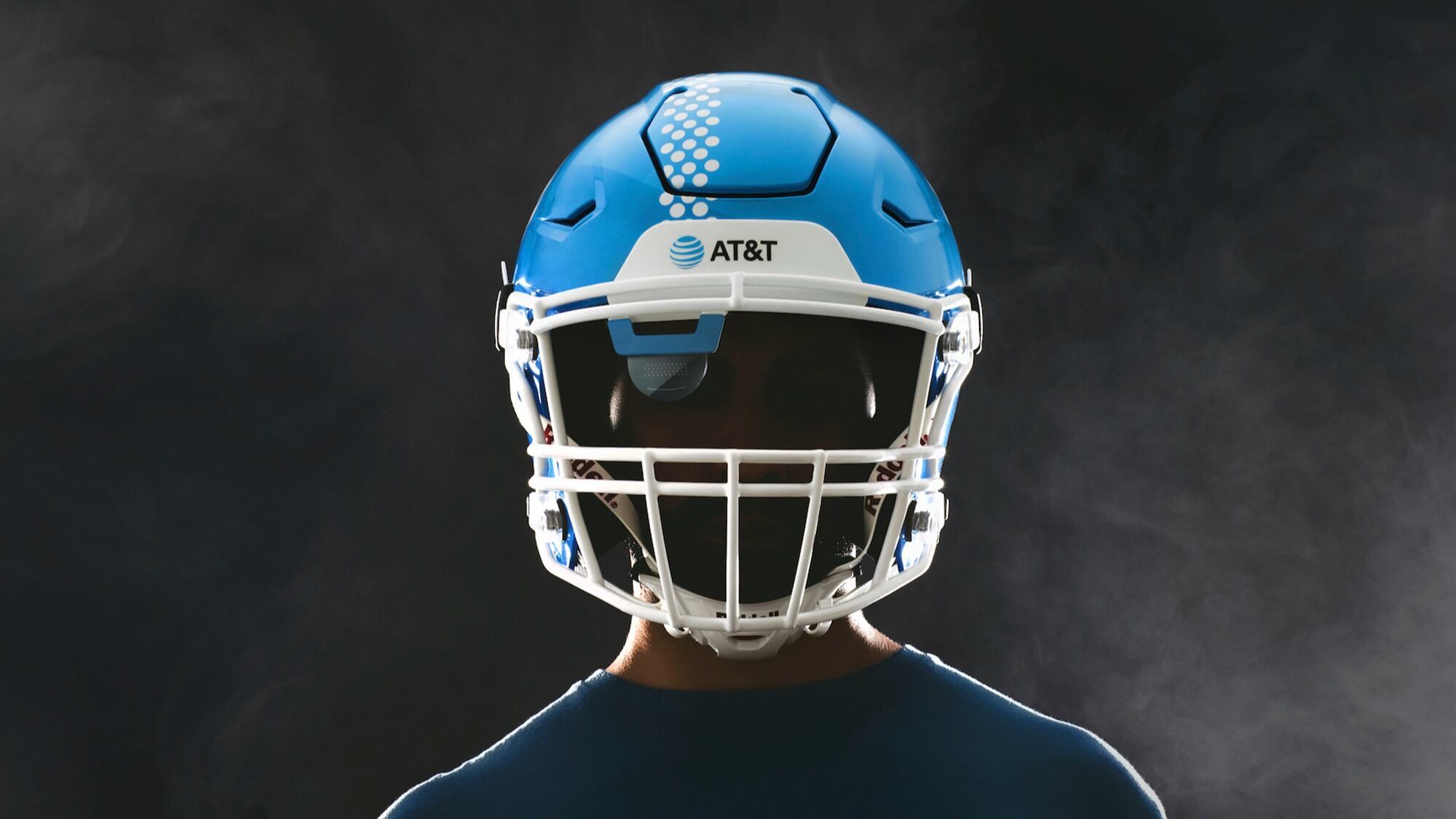
AT&T and Gallaudet University have developed a football helmet for players who are deaf or hard of hearing and communicate using American Sign Language.
The company and Washington-based school for students who are deaf or hard of hearing unveiled the new technology Thursday.
It allows a coach to call a play on a tablet from the sideline that then shows up visually on a small display screen inside the quarterback’s helmet. Gallaudet, which competes in Division III, was cleared by the NCAA to use the helmet in its game on Saturday at home against Hilbert.
Gallaudet coach Chuck Goldstein said he thinks the helmet “will change football.”
“We work out the same way as every other college football program, we practice the same way, we compete the same way," Goldstein said. “The difference between coaching a hearing team compared to a Deaf team is first the communication.”
The final product is the result of almost two years of communication between the team and AT&T, which came up with the concept as a way to close the inclusion gap for the Deaf community with its 5G network.
“We came up with ideas on how to make this helmet more effective (and) we’d interact with (players and coaches)," said Corey Anthony, AT&T senior VP of networking engineering and operations. "They would give us feedback. We’d go back, make changes, work on it. It’s just a beautiful relationship that we have with that university.”
Anthony said the company also leaned on employees who are deaf or hard of hearing during the process.
“This is probably one of the more sort of exciting and enriching projects that we’ve worked on in a very long time,” he said.
The luger became the first American to snag a medal in his event, and he says the win has given him a host of privileges that were previously unavailable to him.
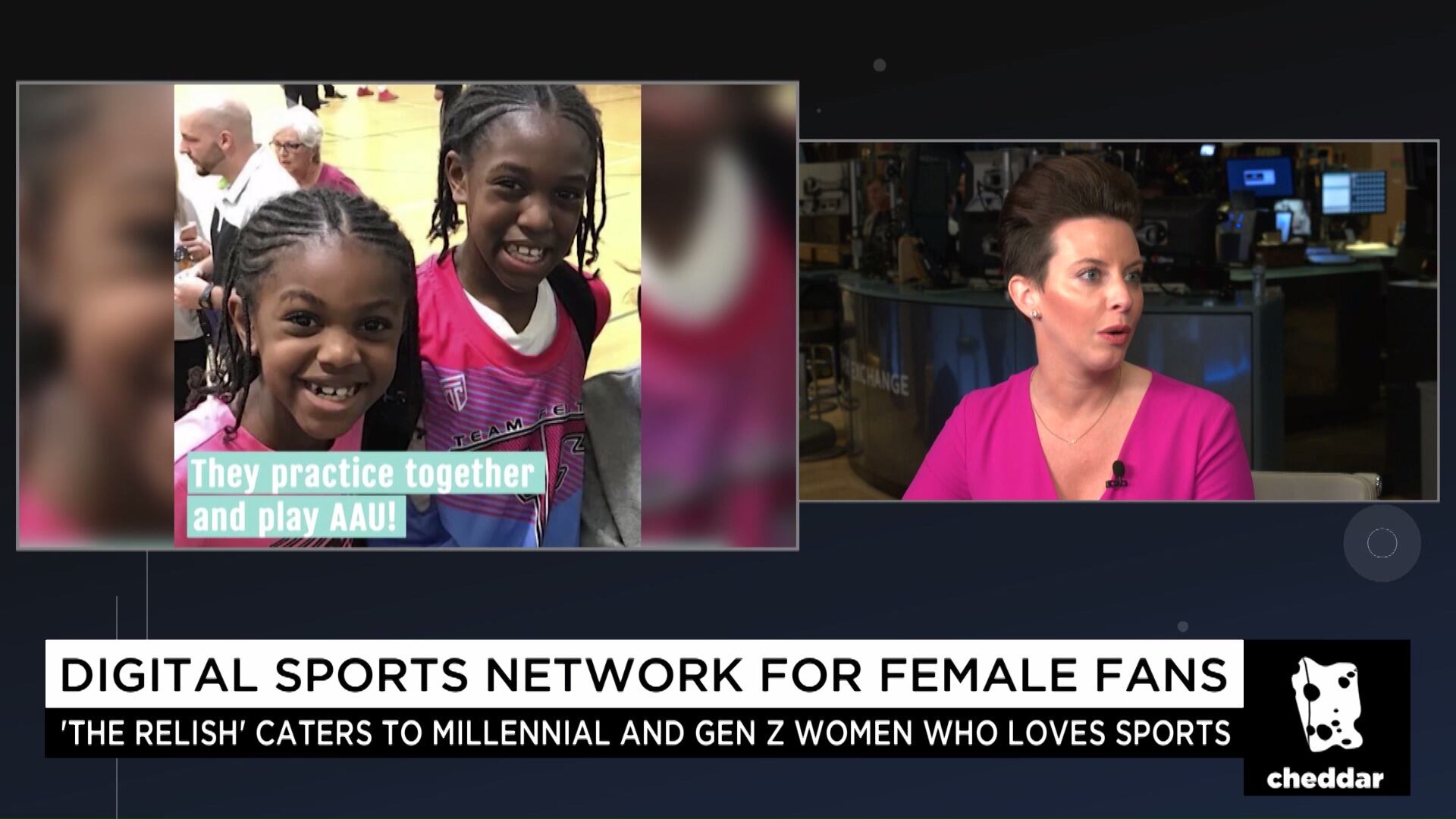
"The Relish" is a digital sports network for women focusing on social content. The network reaches around 10 million millennial women each month.
The American women are having a rough Olympics in the figure skating rink. All three American competitors fell in the women's individual short program. It's a sharp turn from the years when American women landed on the podium year after year. Olympic gold medalist Dorothy Hamill explains why things have been more difficult for the Americans this time around.
On Between Bells: Talking to kids about gun violence, Dallas Mavericks under fire, restaurant servers fight tip-pooling laws, and more. With Eater, Parents Magazine, and Popular Science.
If someone told you that asthma would help you win gold at the Olympics, would you believe them? Well according to a new study, athletes with asthma are more likely to win at the Winter Games than those without these breathing problems. Popular Science's Claire Maldarelli explains why.
A new report from S.I. details allegations of sexual harassment against the team's former President and CEO, Terdema Ussery.
Amazon launches health products line, Chipotle adds quinoa to the menu, and Tinder reveals the most-swiped athletes in the Olympic Village.
The athlete, who took home the Olympics' top prize at the 1976 Games, says entering the sport is much more expensive these days, and the physical moves are more demanding.
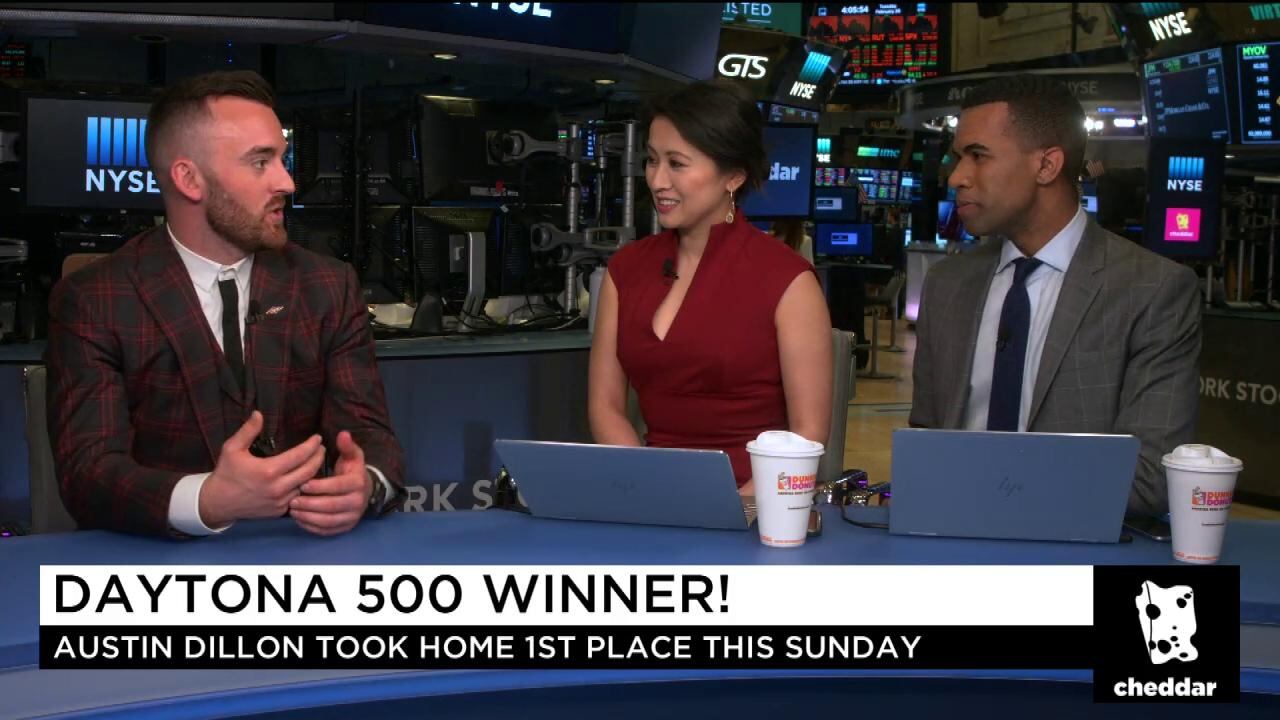
Austin Dillon, who won the Daytona 500 race over the weekend, says this win will add to his grandfather's legacy.
This Sunday the Daytona 500 Race went into an exciting overtime when 27-year-old Austin Dillon finally pulled into first place during the final lap. The Daytona 500 winner joins Cheddar to explain the emotions that came with the big win.