*By Michael Teich*
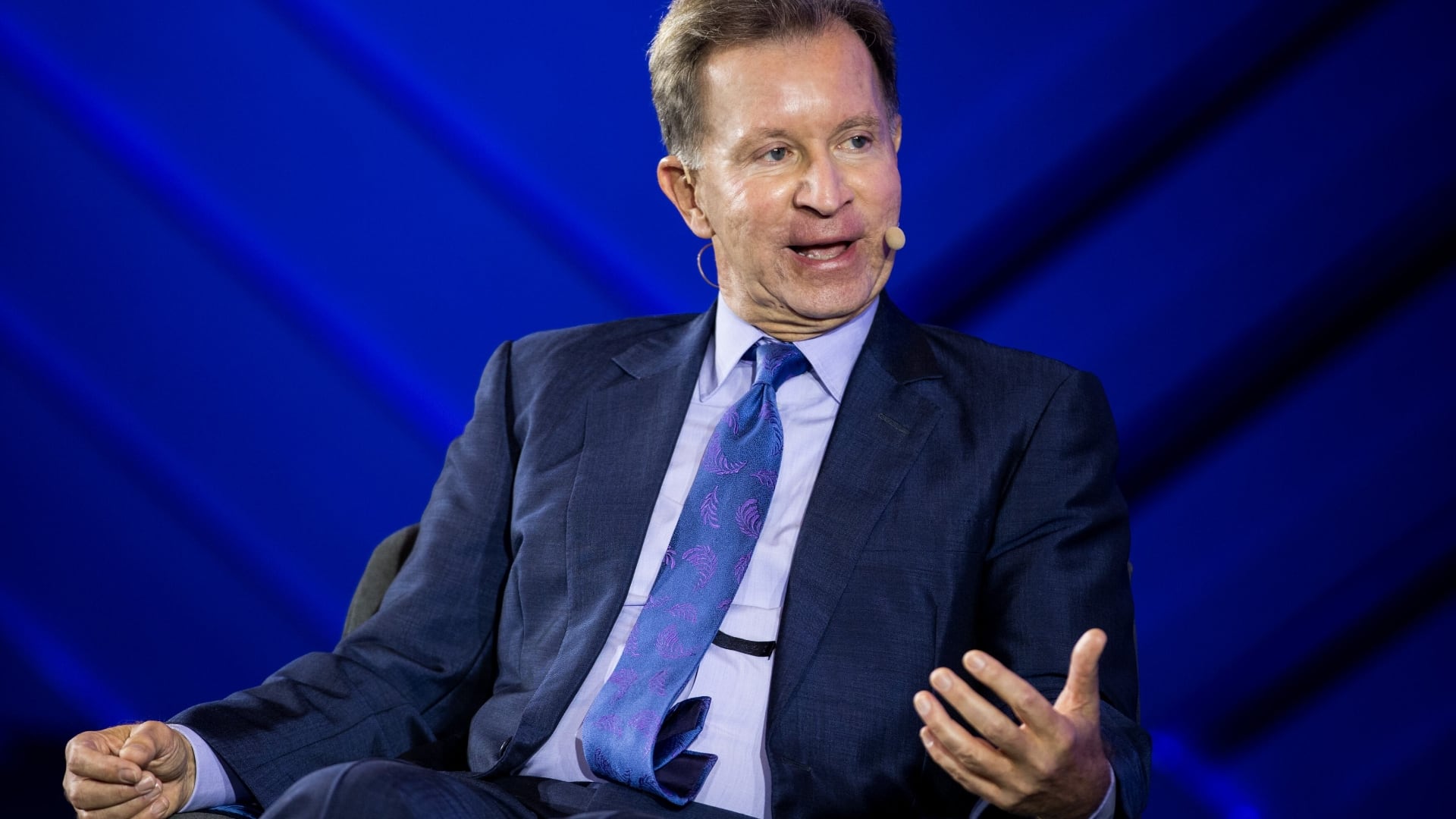
Big-time media mergers have renewed a policy debate in Washington over how much corporate control in a few powerful hands is too much, said Axios tech reporter David McCabe.
By rejecting the Justice Department's antitrust argument against AT&T's $85 billion deal for Time Warner, a federal judge may have redefined the rules of competition in an age defined by broadband internet, streaming video, and a flood of new content. The government unsuccessfully argued that the combined companies would unfairly hurt video competitors. Instead, the judge's approval of the merger may pave the way for AT&T to better defend against new content players such as Facebook, Google, and Netflix.
"Over time we may see an internet experience controlled by a shrinking number of companies," McCabe said Wednesday in an interview with Cheddar.
AT&T's acquisition of Time Warner is expected to lead to an increase in media mergers and acquisitions. McCabe said the deal is the "green light," especially for vertical deals combining companies that are not direct competitors.
"It’s an extra jolt of confidence to executives who are looking to make a deal in this space without the regulatory friction," McCabe said.
For the full interview, [click here](https://cheddar.com/videos/at-and-t-deal-raises-worries-of-internet-oligarchy-2).
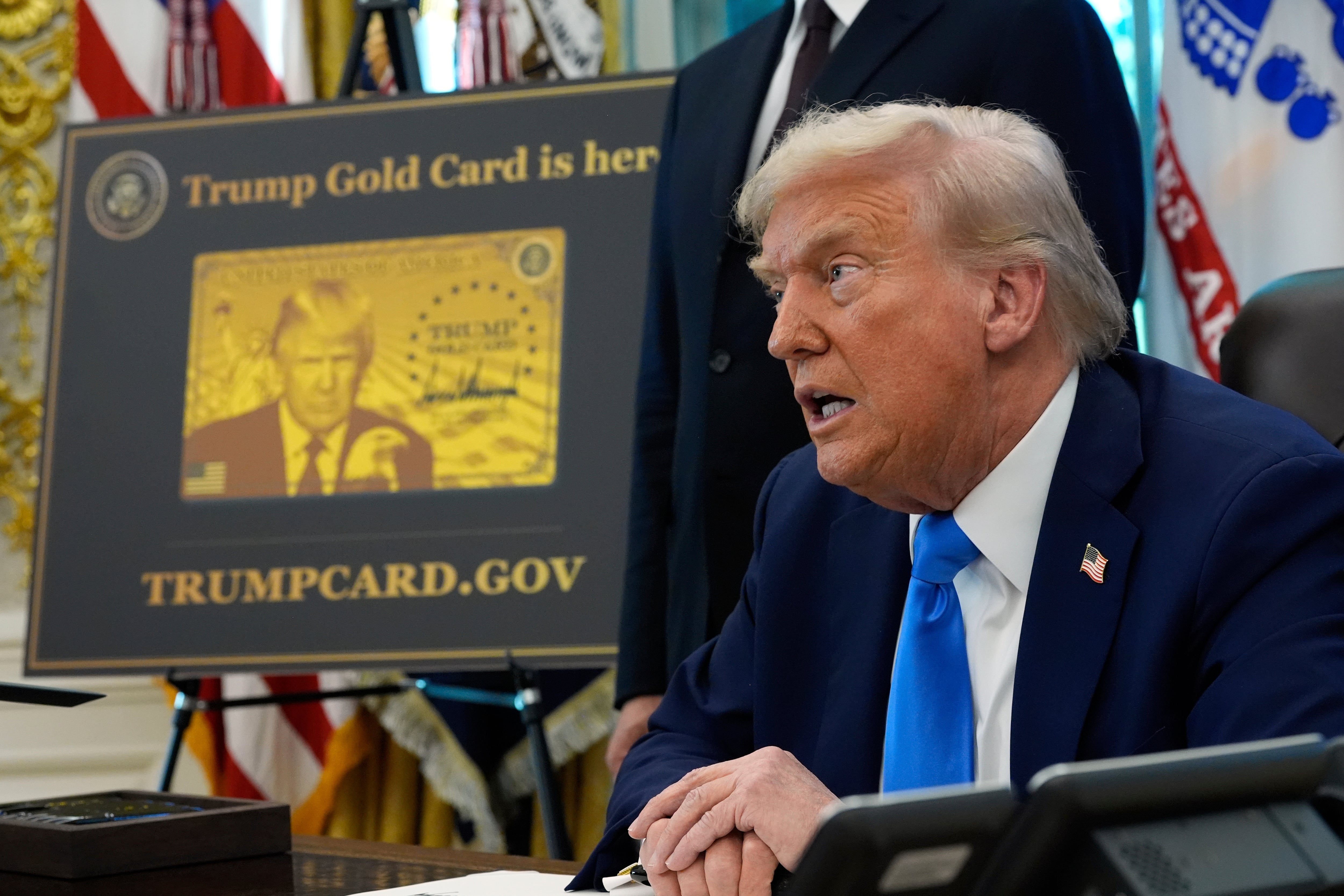
A new poll finds U.S. adults are more likely than they were a year ago to think immigrants in the country legally benefit the economy. That comes as President Donald Trump's administration imposes new restrictions targeting legal pathways into the country. The Associated Press-NORC Center for Public Affairs Research survey finds Americans are more likely than they were in March 2024 to say it’s a “major benefit” that people who come to the U.S. legally contribute to the economy and help American companies get the expertise of skilled workers. At the same time, perceptions of illegal immigration haven’t shifted meaningfully. Americans still see fewer benefits from people who come to the U.S. illegally.
Shares of Tylenol maker Kenvue are bouncing back sharply before the opening bell a day after President Donald Trump promoted unproven and in some cases discredited ties between Tylenol, vaccines and autism. Trump told pregnant women not to use the painkiller around a dozen times during the White House news conference Monday. The drugmaker tumbled 7.5%. Shares have regained most of those losses early Tuesday in premarket trading.
Scott Trench, host of the BiggerPockets Money Podcast, explores how recent rate cuts, high borrowing costs, and mortgage rates are reshaping U.S. real estate.
A look into how disruption, AI, and global economic trends are transforming the modern supply chain with Jeremy Jansen, Head of Supply Chain at Wells Fargo.
Delta CSO Amelia DeLuca reveals at the Fast Co. Innovation Festival how tech, sustainable aviation fuel, and smart operations are revolutionizing air travel.
Chipmaker Nvidia will invest $100 billion in OpenAI as part of a partnership that will add at least 10 gigawatts of Nvidia AI data centers to ramp up the computing power for the owner of the artificial intelligence chatbot ChatGPT.