*By Michael Teich*
Big-time media mergers have renewed a policy debate in Washington over how much corporate control in a few powerful hands is too much, said Axios tech reporter David McCabe.
By rejecting the Justice Department's antitrust argument against AT&T's $85 billion deal for Time Warner, a federal judge may have redefined the rules of competition in an age defined by broadband internet, streaming video, and a flood of new content. The government unsuccessfully argued that the combined companies would unfairly hurt video competitors. Instead, the judge's approval of the merger may pave the way for AT&T to better defend against new content players such as Facebook, Google, and Netflix.
"Over time we may see an internet experience controlled by a shrinking number of companies," McCabe said Wednesday in an interview with Cheddar.
AT&T's acquisition of Time Warner is expected to lead to an increase in media mergers and acquisitions. McCabe said the deal is the "green light," especially for vertical deals combining companies that are not direct competitors.
"It’s an extra jolt of confidence to executives who are looking to make a deal in this space without the regulatory friction," McCabe said.
For the full interview, [click here](https://cheddar.com/videos/at-and-t-deal-raises-worries-of-internet-oligarchy-2).
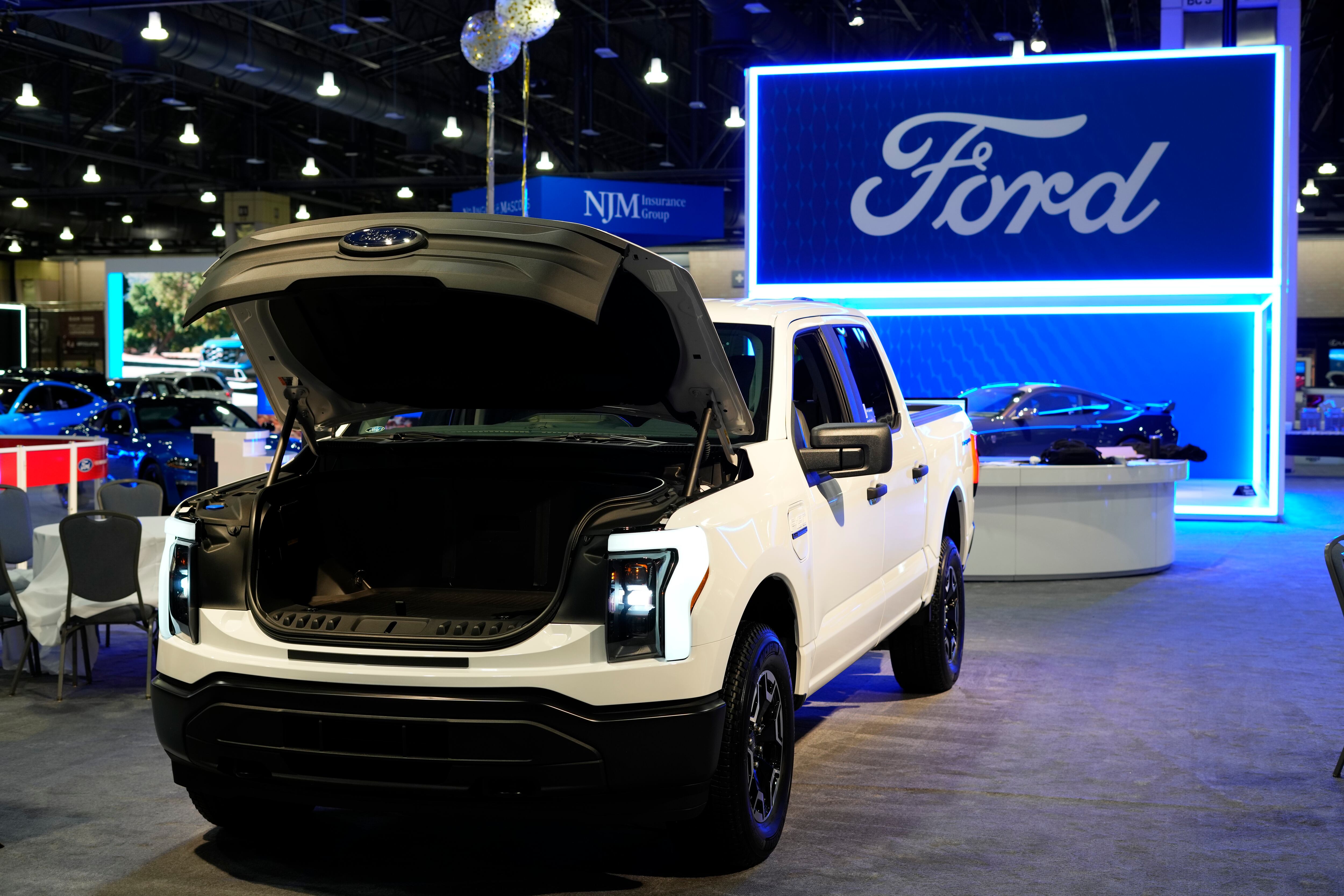
Ford says it’s reducing production of the F-150 Lightning electric pickup vehicle as it adjusts to weaker-than-expected electric vehicle sales growth. The automaker said about 1,400 workers will be impacted by the move.
Walmart Inc. is raising the starting base pay for store managers, while redesigning its bonus plan that will put more of an emphasis on profits for these leaders.
Despite concerns about shipping delays in the Red Sea, RSM Chief Economist Joe Brusuelas says there are still reasons to be optimistic about the state of the U.S. economy.
Dan Ives, Managing Director and Senior Equity Analyst at Wedbush Securities dives deeper into a report by the International Data Corporation (IDC) that Apple has ended Samsung's 12-year reign as the world's largest smartphone seller.
Artificial intelligence is the biggest buzzword at the World Economic Forum’s annual meeting in Davos. Advances in generative AI stunned the world last year, and the elite crowd is angling to take advantage of its promise and minimize its risks.
Smartphones could get much smarter this year as the next wave of artificial intelligence seeps into the devices that accompany people almost everywhere they go.
In an annual assessment of global inequalities, Oxfam International said the first trillionaire could emerge within the next decade — as the anti-poverty organization pointed to the growing wealth gap that skyrocketed globally during the pandemic.