As New York City moves cautiously toward a full reopening, consumer spending in high-income neighborhoods remains significantly lower than in less wealthy areas, according to a new report out of Harvard University that tracks the ongoing economic impact of COVID-19.
Using data from private companies, credit card processors, and payroll firms, the study found that the most affluent neighborhoods in the U.S. lost more than 70 percent of their revenue. As a result, small, independent boutiques that cater to a wealthier clientele have felt the pain.
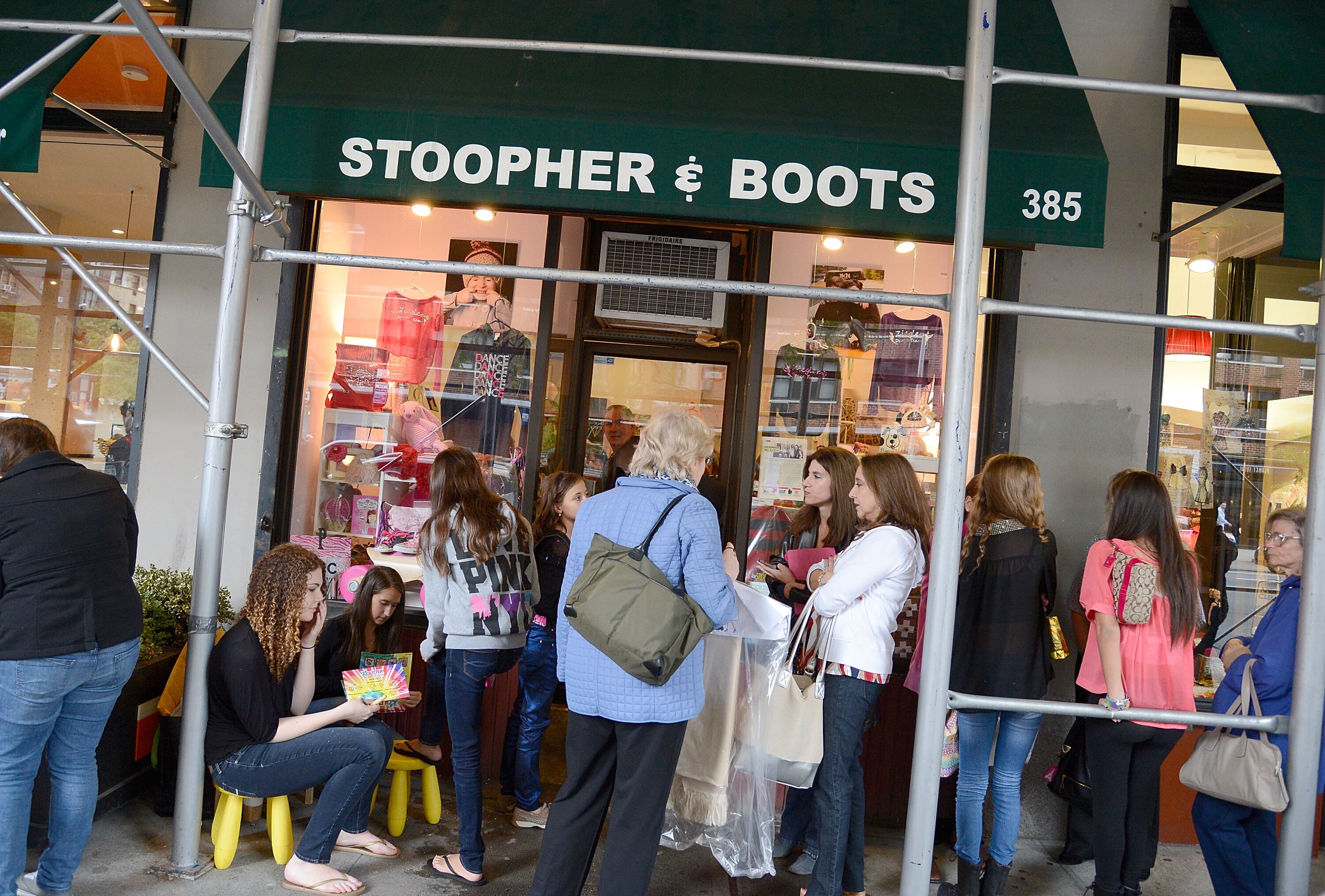
At Stoopher & Boots, an upscale children's clothing store on the Upper West Side, sales fell by 50 percent at the start of the pandemic and have barely budged in the months since.
"My wholesale business has increased as the country has reopened, but I would not say that my retail business has increased," said owner Stephanie Goldstein.
She added that online sales and direct outreach to regular customers via text and social media helped pick up the slack early on in the pandemic.
"One of us was in here, every day, packing and shipping orders," Goldstein said.
But the pivot toward online sales hasn't made up for the fact that many customers from the surrounding neighborhood, which has an average household income of more than $120,000 according to the latest U.S. Census data, left town after coronavirus hit New York City.
"A lot of the people in this neighborhood left. They left during spring break, and they're not coming back until the fall," she said. "They either went to where they have another home or they're living with family members somewhere else or they've rented a home elsewhere."
One saving grace for Goldstein has been the growing market for face masks, which she decided to start selling after it became clear there was consumer demand for fashionable protection.
"At first we didn't want to get into the whole fashion face mask business, because we felt like there were people who needed safety material but didn't have access to it," she said. "We didn't like the idea of profiting on that, but then we tested the market a little bit and it was huge."
Consumer spending in Manhattan bottomed out in early April with a 50 percent drop from January 2020. Three months later, spending is still down 27 percent from before the outbreak.
Surrounding boroughs have fared significantly better on the economic front. Spending in Queens, Brooklyn, and the Bronx is down around 10 percent, while Staten Island has seen a 3 percent increase since January, according to the report.
In wealthier neighborhoods of the surrounding boroughs, however, high-end retail is struggling.
Lindsey Engler, the owner of two clothing stores in Cobble Hill called Disco and Picnic, said business has been down between 50 to 60 percent since March and has remained in that range even as she reopened.
"Needless to say, it has not been a fun ride by any stretch of the imagination," she said.
Engler partially blames the migration of nearby residents out of the city for the low sales, but she also noted that her business relies on in-person sales. As the store reopened for walk-ins this month, the business began to turn around. She is expecting to hit her usual numbers for the month.
In the meantime, the mask business has helped keep the store afloat and built up its reputation in the community for supplying such a sought-after item.
"We dove deep into masks. That was a huge saving grace," she said. "If you walk around Brooklyn Heights or Cobble Hill now, almost every mask you see on the street was sold by one of our two stores."