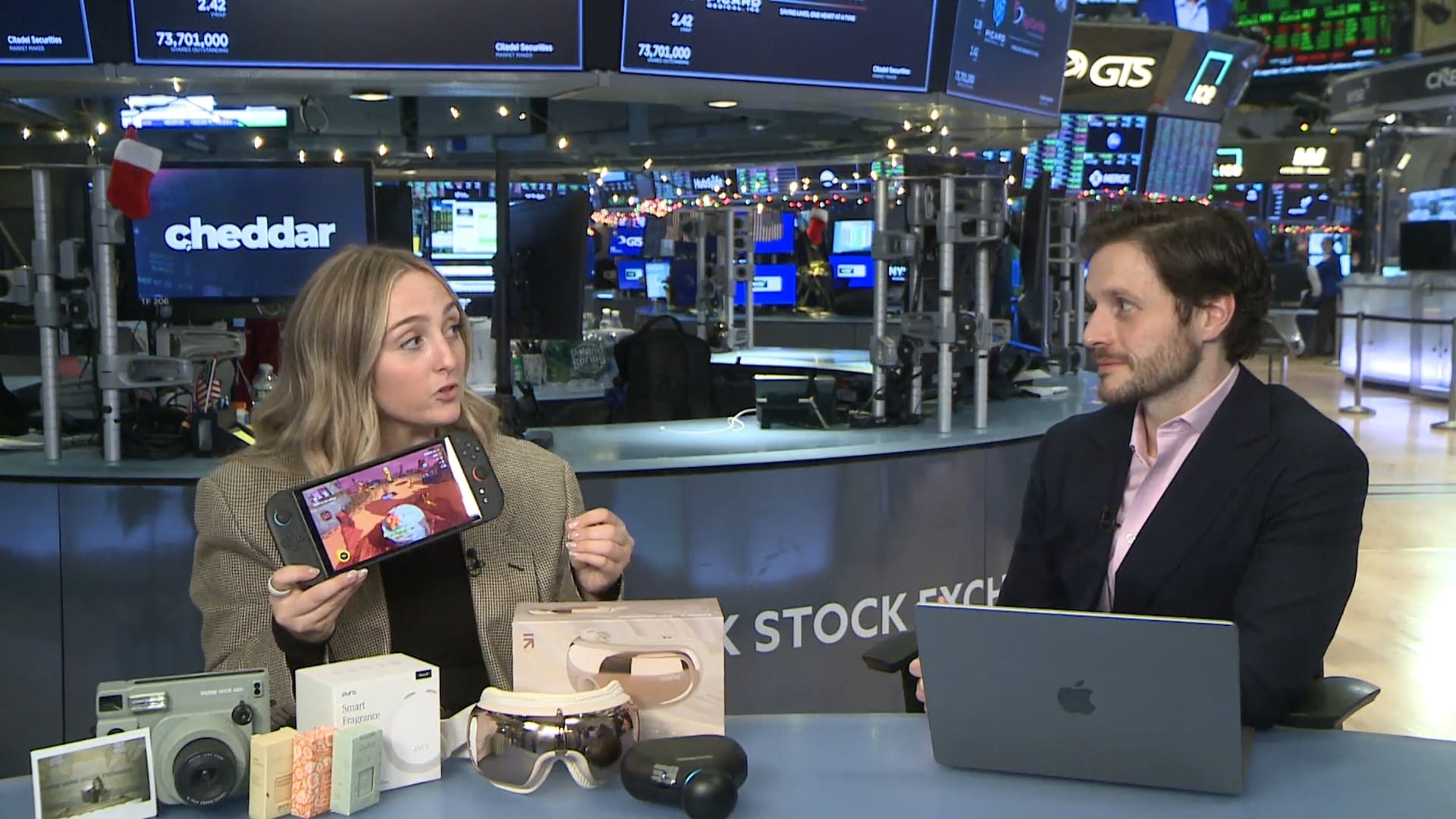
This week tech & car company Pal-V made a pretty big splash at the Geneva auto show by unveiling its newest flying car. Louis Scialabba, Director of Service Provider Security at Radware joins Cheddar to discuss if this technology could actually be a reality.
Scialabba believes flying cars will retail to a niche group but most likely won't go mainstream, at least for a while. He talks about what will need to go into driving one of these cars and it doesn't seem easy. You'd probably still need a runway and if so, it will be hard to just fly your car to the grocery store.
However, he says that we can't just focus on the fun aspects of connected cars. We need to worry about the cybersecurity risks they pose. Cars can share information with other cars and we need to be mindful of the technology that goes into that and protect our data.
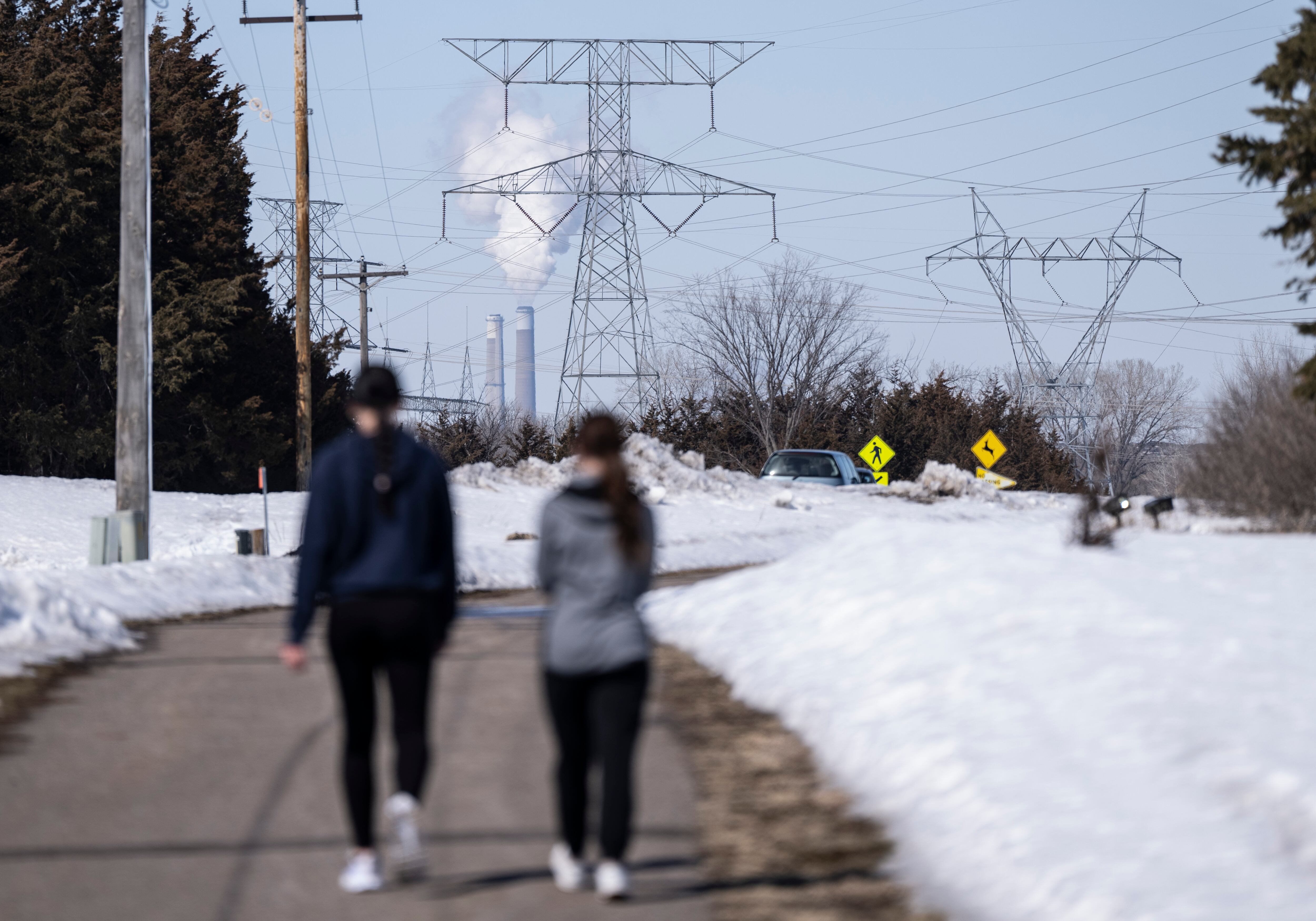
A Minnesota utility began shutting down a nuclear power plant near Minneapolis on Friday after discovering water containing a low level of radioactive material was leaking from a pipe for the second time. While the utility and health officials say it is not dangerous, the issue has prompted concerns among nearby residents and raised questions about aging pipelines.
Some parts of Twitter's source code — the fundamental computer code on which the social network runs — were leaked online, the social media company said in a legal filing that was first reported by The New York Times.
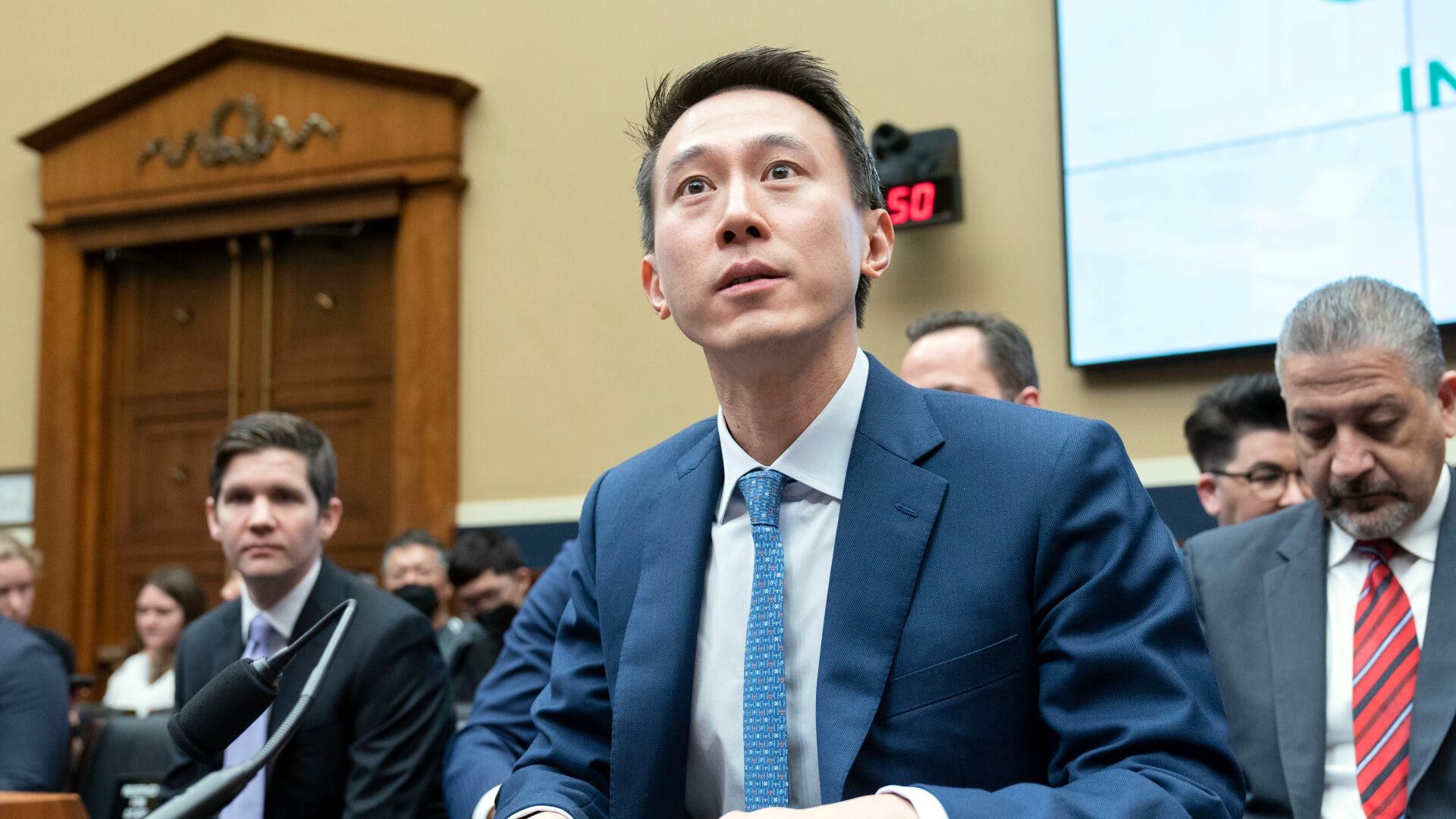
While data privacy still remains one of TikTok's biggest challenges, it may face a larger problem in order to stay in the United States: content moderation.
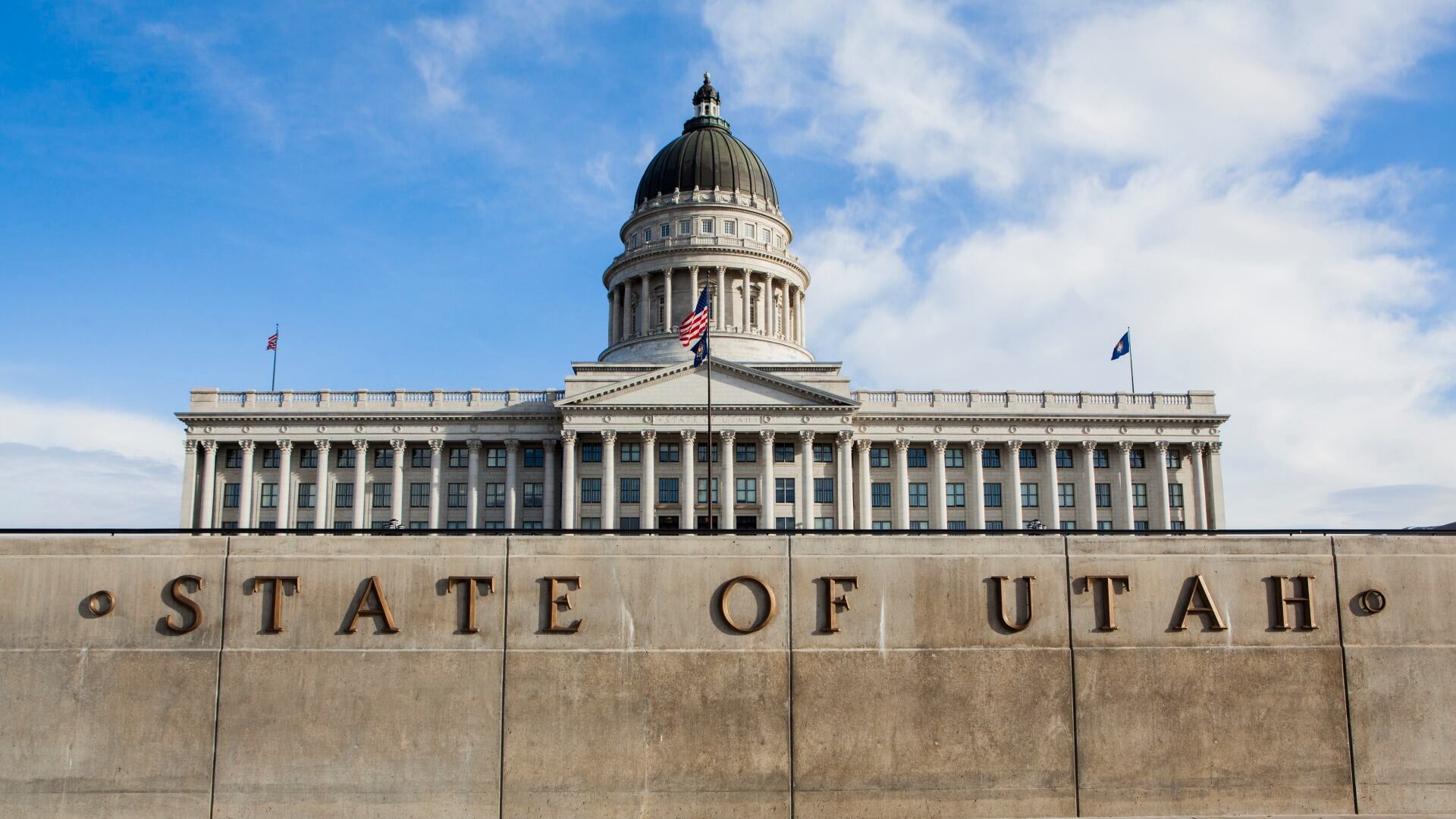
Governor Spencer Cox signed two measures restricting how easily children in the state can access platforms like TikTok and Twitter, setting the precedent in the U.S.