By Michael Liedtke

Apple on Tuesday unveiled its next generation of iPhones — a line-up that will boast better cameras, faster processors, a new charging system and a price hike for the fanciest model.

The showcase at Apple's headquarters in Cupertino, Calif., comes as the company tries to reverse a mild slump that has seen its sales drop from last year in three consecutive quarters. The malaise is a key reason Apple's stock price has dipped by nearly 10% since mid-July, dropping the company's market value below the $3 trillion threshold it reached for the first time earlier this summer.

Investors apparently were not impressed with what Apple rolled out Tuesday. The company's shares were down by nearly 2% during afternoon trading.

As has been the case with Apple and other smartphone makers, the four types of iPhone 15 models aren't making any major leaps in technology. But Apple added enough new bells and whistles to the top-of-the-line model — the iPhone 15 Pro Max — to boost its price by $100, or 9%, from last year's version to $1,200.

Apple is holding the line on prices for the rest of the line-up, with the basic iPhone 15 selling for $800, the iPhone 15 Plus for $900 and the iPhone 15 Pro for $1,000.

All the new models will be available in stores Sept. 22, with pre-orders beginning this Friday.

One of the biggest changes that Apple announced is a new way to charge the iPhone 15 models and future generations. The company is switching over to the USB-C standard that is already widely used on many devices, including its Mac computers and many of its iPads.

Apple is being forced to phase out the Lightning port cables it rolled out in 2012 because of a mandate that European regulators plan to impose in 2024.

Although consumers often don't like change, the transition to USB-C ports may not be that inconvenient. That’s because the standard is already widely used on a range of computers, smartphones and other devices people already own. The shift to USB-C may even be a popular move since that standard typically charges devices more quickly and also offers faster data transfer speeds.

The basic iPhone 15 models have been redesigned to include a shape-shifting cutout on the display screen that Apple calls its “Dynamic Island” for app notifications — a look that was introduced with last year's Pro and Pro Max devices. The basic models are also getting a faster chip used in last year's Pro and Pro Max models, while the next generation of the premium iPhone 15s will run on an even more advanced processor.

The iPhone 15 Pro and Pro Max also will be equipped with what Apple maintains is the equivalent of seven camera lenses. They will include a periscope-style telephoto lens that will improve the quality of photos taken from far distances. The telephoto lens boasts a 5x optical zoom, which lags the 10x optical zoom on Samsung's premium Galaxy S22 Ultra, but represents an upgrade from the 3x optical zoom on the iPhone 14 Pro and Pro Max.

Apple is encasing the premium models in titanium that the company says is the same alloy used on some spaceships.

Besides its new iPhones, Apple also announced its next generation of smartwatches — a product that made its debut nearly a decade ago. The Series 9 Apple Watch, available in stores September 22, will include a new gesture control that will enable users to control alarms and answer phone calls by double snapping their thumbs with a finger.
Share:
More In Technology
Tickets to Super Bowl This Year Most Expensive in History
The Super Bowl is only a few days away, and the game is currently tracking to be the most expensive one ever. Gametime, a website and app for last-minute tickets, says the average ticket price for the NFL's championship game is $9,502.50, with the most expensive seats costing nearly $38,000. That's a far cry away from the average ticket price of the first-ever Super Bowl in 1967, which was only $12. The average ticket price increased by more than $8,000 in just the past decade. Matt Rados, Senior Operations Manager at Gametime, joins Cheddar News' Closing Bell to discuss.
Betterment Dives into Crypto Space, Acquires Makara
Earlier this week, digital investment advisor Betterment announced that it has hired Makara, a company known for its management of cryptocurrency portfolios. Sarah Levy, CEO of Betterment, joins Cheddar News' Closing Bell, where she explains why crypto represents such a promising long-term play and how her company stands to benefit from this latest move.
Getlabs Raises $20 Million to Expand At-Home Lab Appointments Nationwide and Launches API
At-home medical labs company Getlabs raised $20 million in a Series A round, led by Emerson Collective and the Minderoo Foundation. Getlabs aims to be the boots-on-the-ground partner to telehealth. The company says more than 70% of medical decisions still require collecting diagnostic tests in person, and that it fills that void by delivering health care directly to their patients' homes. Founder & CEO of Getlabs Kyle Michelson joined Cheddar News' Closing Bell to discuss.
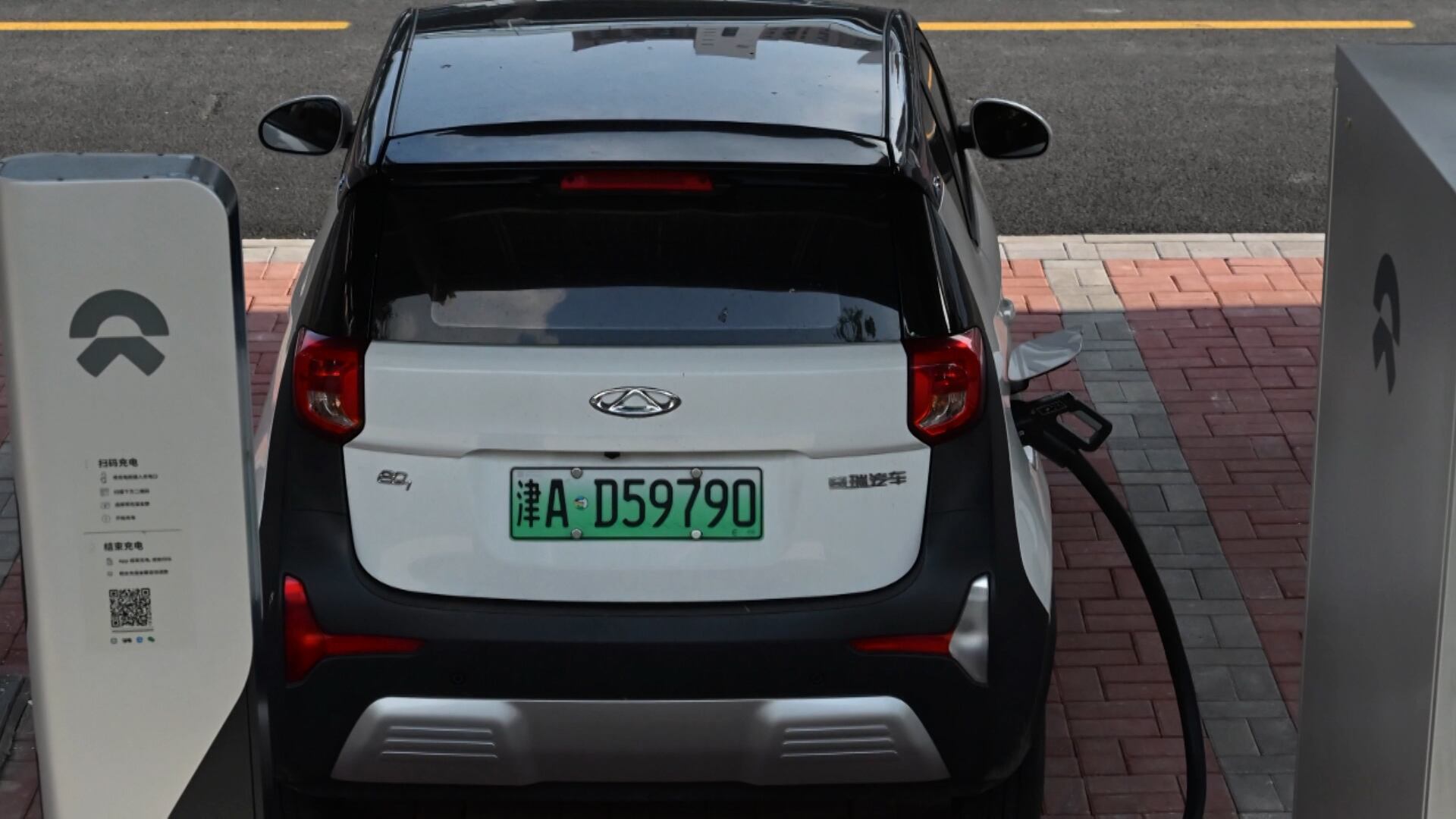
Biden Admin $5B EV Charging Station Investment to Build Out Highway Corridors
The White House laid out plans for a $5 billion investment into a national network of charging stations to ease EV driving anxiety. Bruce Brimacombe, CEO of EV infrastructure GOe3 joined Cheddar News to discuss how much needs to be done for drivers to get over the fear of running out of energy. "People need to be able to do what they're doing now," he said. "But that is the way that if you're going to buy an electric car, you got to feel like you're not changing your world." Brimacombe noted that building out the infrastructure between cities was GOe3's own focus.
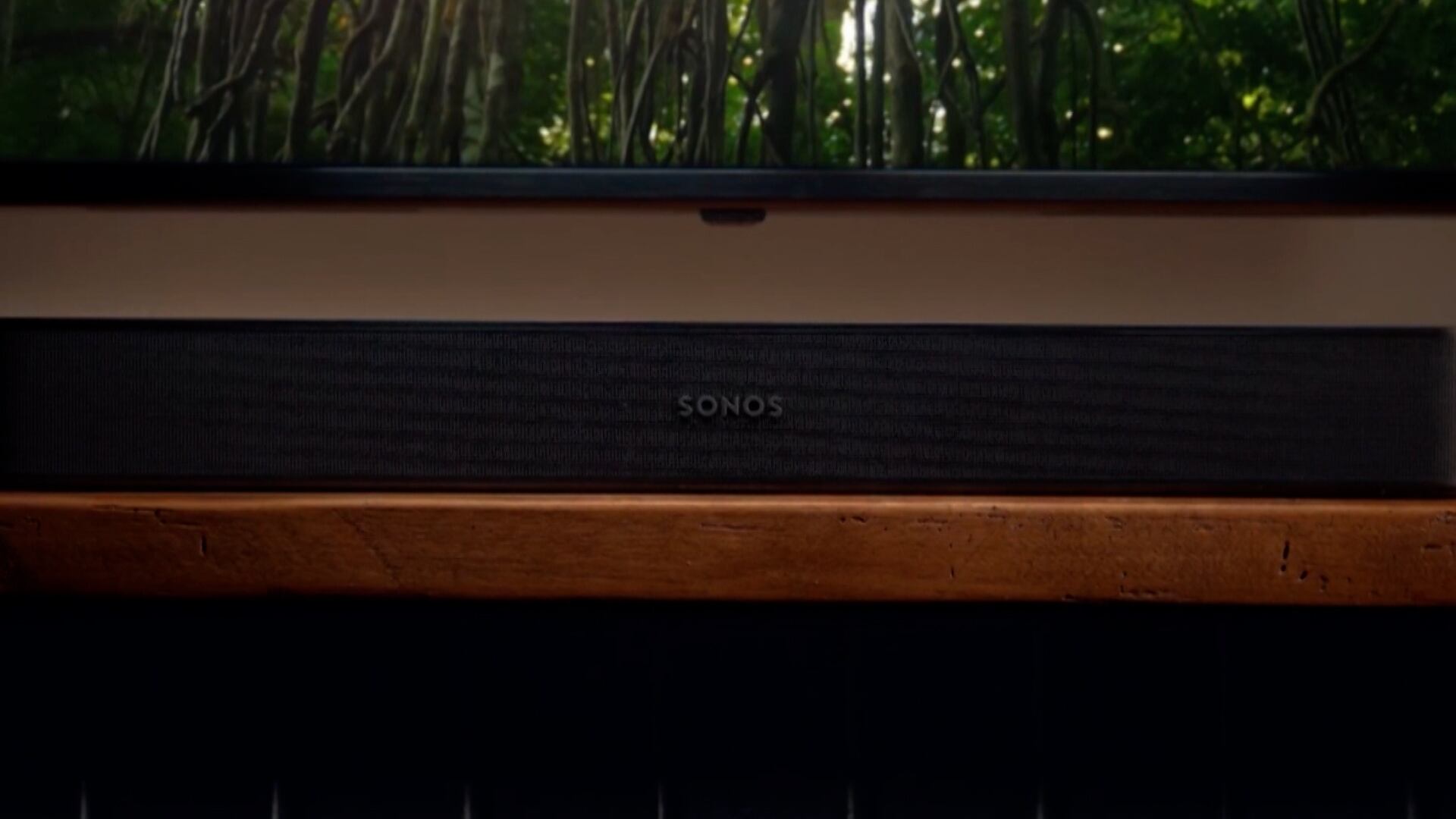
Smart Speaker Maker Sonos CFO on Earnings Beat, Future After Pandemic
Sonos reported better than expected Q1 earnings amid chip shortage with the release of its Roam product. CFO Brittany Bagley joined Cheddar News to discuss the smart speaker maker's successful report and its plans to hit its 2024 targets as people leave their homes as pandemic restrictions ease. "Even as people head out in the world, it doesn't mean they don't like to listen to music at home or watch a streaming movie at home," she said. "So there's still a real role for us and our products in peoples lives, sort of, no matter what else they're doing."
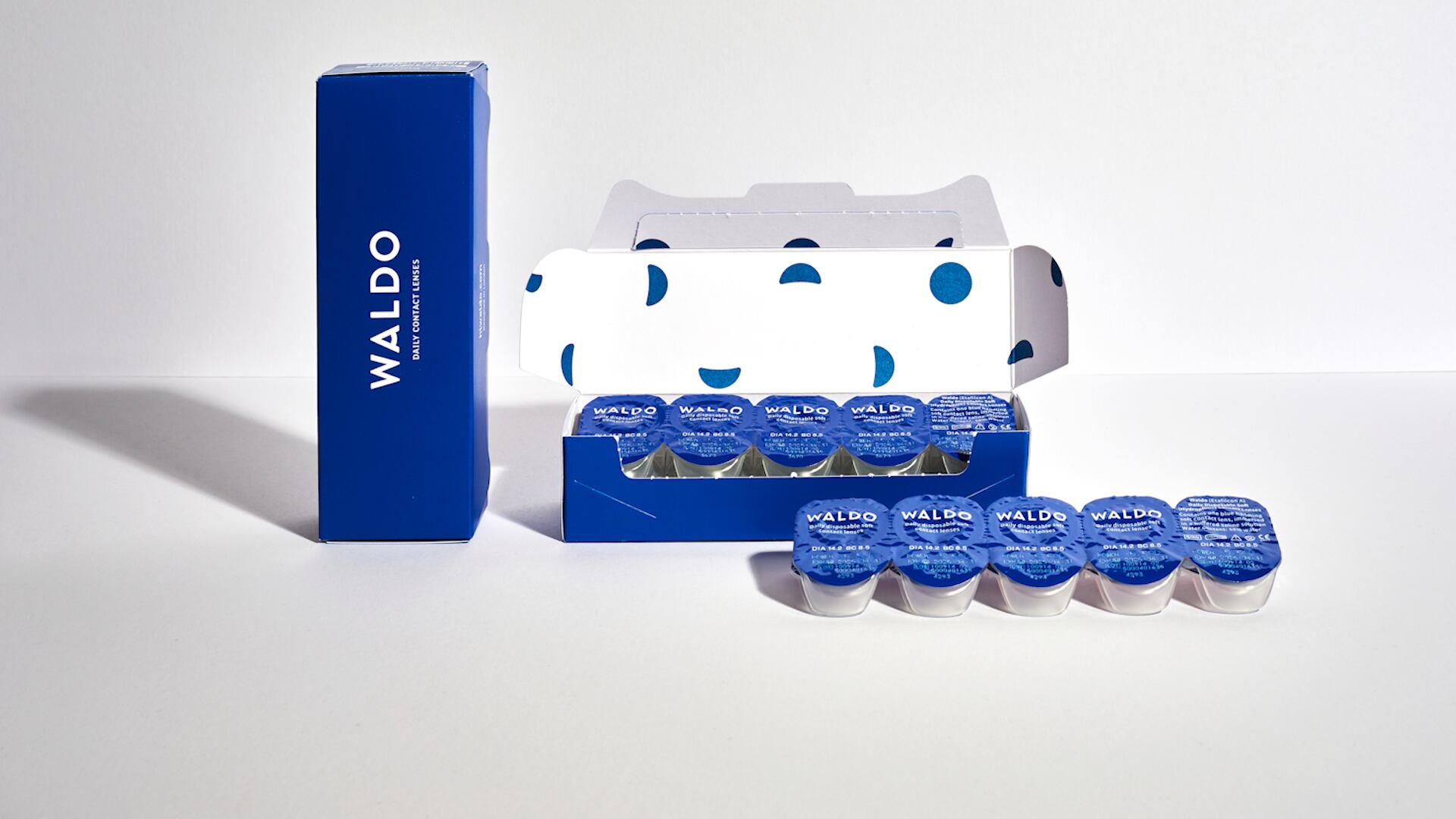
How 'WALDO' is Democratizing Access to Eyecare
Ashleigh Hinde, Founder and CEO of WALDO, joins Cheddar Innovates to discuss why now is a good time to make eyecare a priority, and how they are democratizing access to eyecare for all.
Innovation in Eyecare; Tech to Detect Cancer in Pets
On this episode of Cheddar Innovates: WALDO CEO breaks down why now is a good time to make eyecare a priority, and how they are democratizing access to eyecare for all; COO at PetDx explains how next-generation sequencing technology is being used to detect cancer in pets early; Cheddar gets a look at Curiosity Stream's 'Inside The Mind of a Con Artist.'
Load More