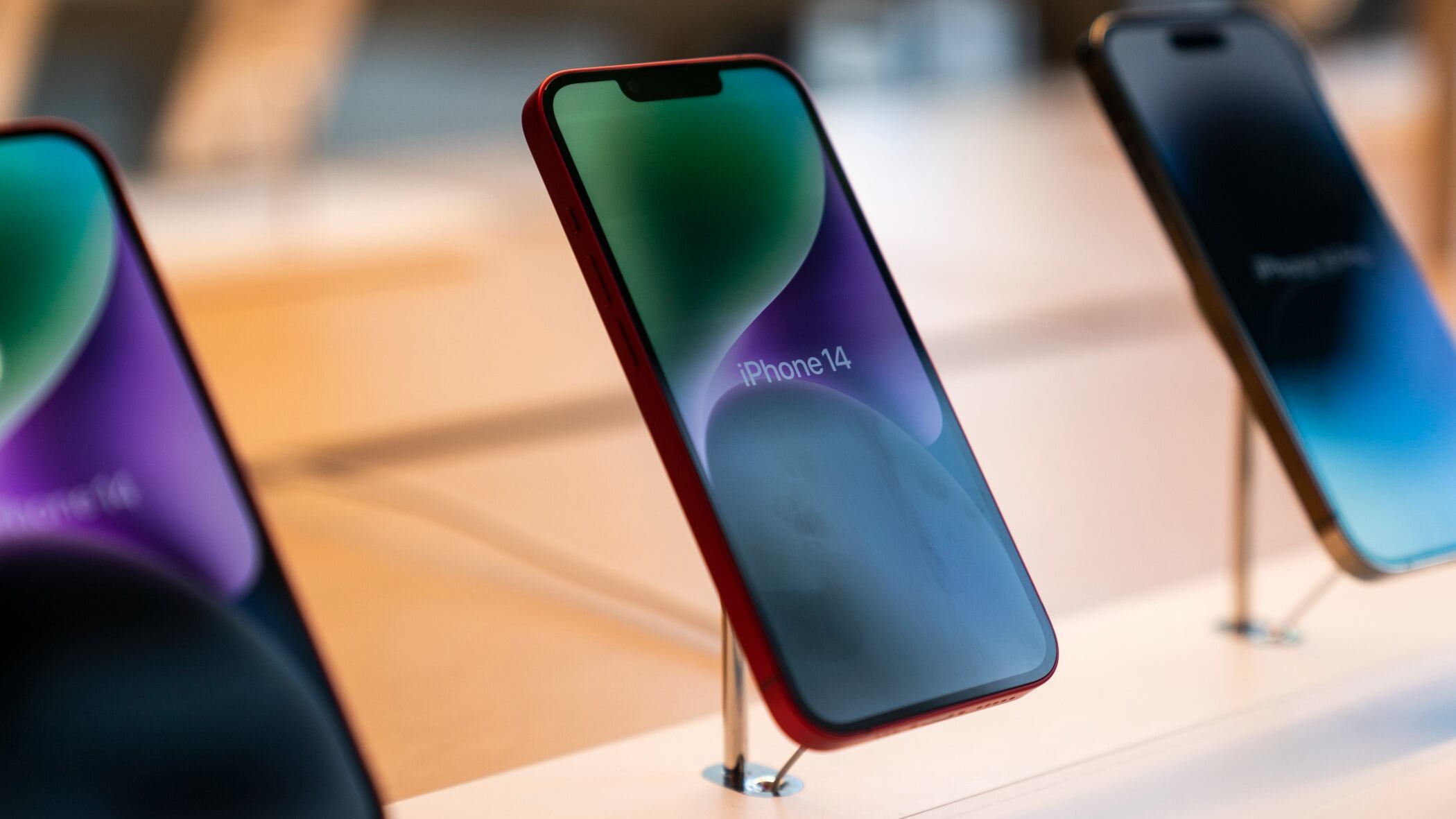
The new iPhone 14 smartphones are on display at an Apple Store at The Grove in Los Angeles, Friday, Sept. 16, 2022. (AP Photo/Jae C. Hong)
On March 1, Apple will start charging an extra $20 for battery replacements on out-of-warranty iPhones, according to an update on the AppleCare+ webpage.
The new price will be $99 for the iPhone 14, and while these models are currently under warranty, they won't be after the one-year anniversary of their release in September 2023.
At that point, the higher price point could encourage customers with broken batteries to simply buy a new phone rather than shell out nearly $100 for a replacement part.
Apple has adjusted prices multiple times in recent years, as supply chain issues have raised production costs. Just last month, labor unrest at an iPhone supplier in China led to a production shortfall. The company struggled with similar disruptions throughout the pandemic.
There is also a history of consumers pushing back against Apple's practices around batteries. The company in 2020 was forced to pay $113 million in fines to settle consumer fraud lawsuits around a controversy known as "batterygate," in which iPhone users discovered that Apple installed new software that made devices with older batteries operate slower.
In addition, CEO Tim Cook in 2019 wrote in a letter to investors that "some customers taking advantage of significantly reduced pricing for iPhone battery replacements" was partly behind a lower-than-expected iPhone sales.
U.S. markets opened sharply lower on Friday on hotter-than-expected inflation data. The May CPI showed an 8.6% jump in consumer prices year-over-year, higher the expected 8.3%. Mark Howard, Senior Multi-Asset Specialist at BNP Paribas joined Cheddar's Opening Bell to discuss.
U.S. stocks closed Friday at session lows after May CPI data showed inflation in the U.S. has not peaked and is still rising rapidly. For the week, the S&P fell 5.06%, the Dow lost 4.58%, and the Nasdaq dropped 5.60%, marking the worst week since January for all three major indexes. Mike Zigmont, Head of Trading and Research at Harvest Volatility Management, joins Cheddar News' Closing Bell to discuss.
Benefits brokerage, Nava Benefits, raised $40 million in a Series B round. Nava says it's on a mission to fix healthcare, one benefits plan at a time. The startup is working to bring benefits to small business that are normally available to only Fortune 500 companies. Brandon Weber, Co-Founder and CEO of Nava Benefits, joined Cheddar News' Closing Bell to discuss.
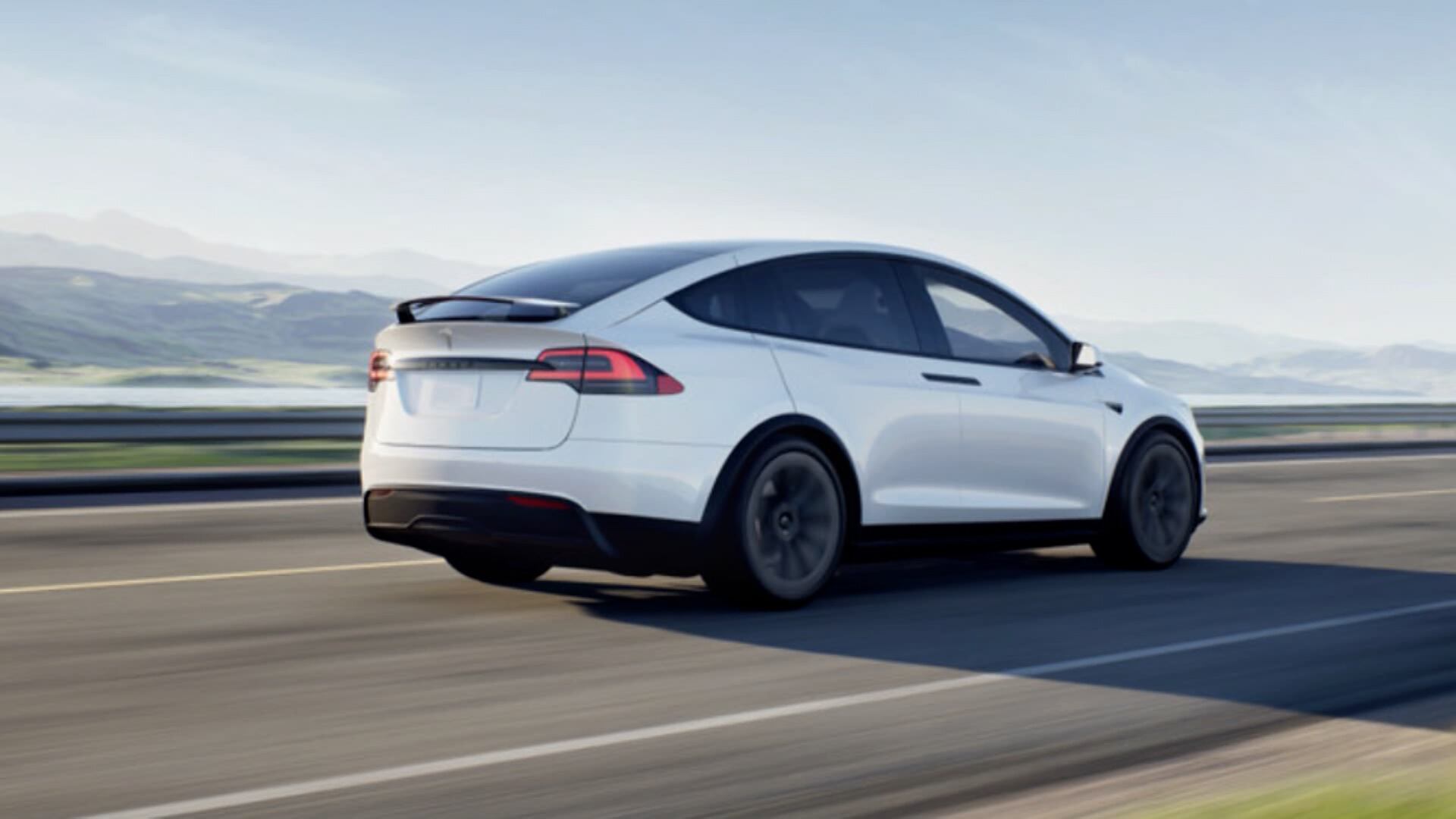
The electric vehicle maker filed a proposal for a three-for-one stock split, increasing the accessibility of shares for investors for a stock trading at around $700 a share. The move comes not long after tech giant Amazon announced a 20-for-one split. The number of authorized shares rises from two billion to six billion. It was also revealed that board member Larry Ellison does not intend to stand for reelection as it pertains to Tesla.
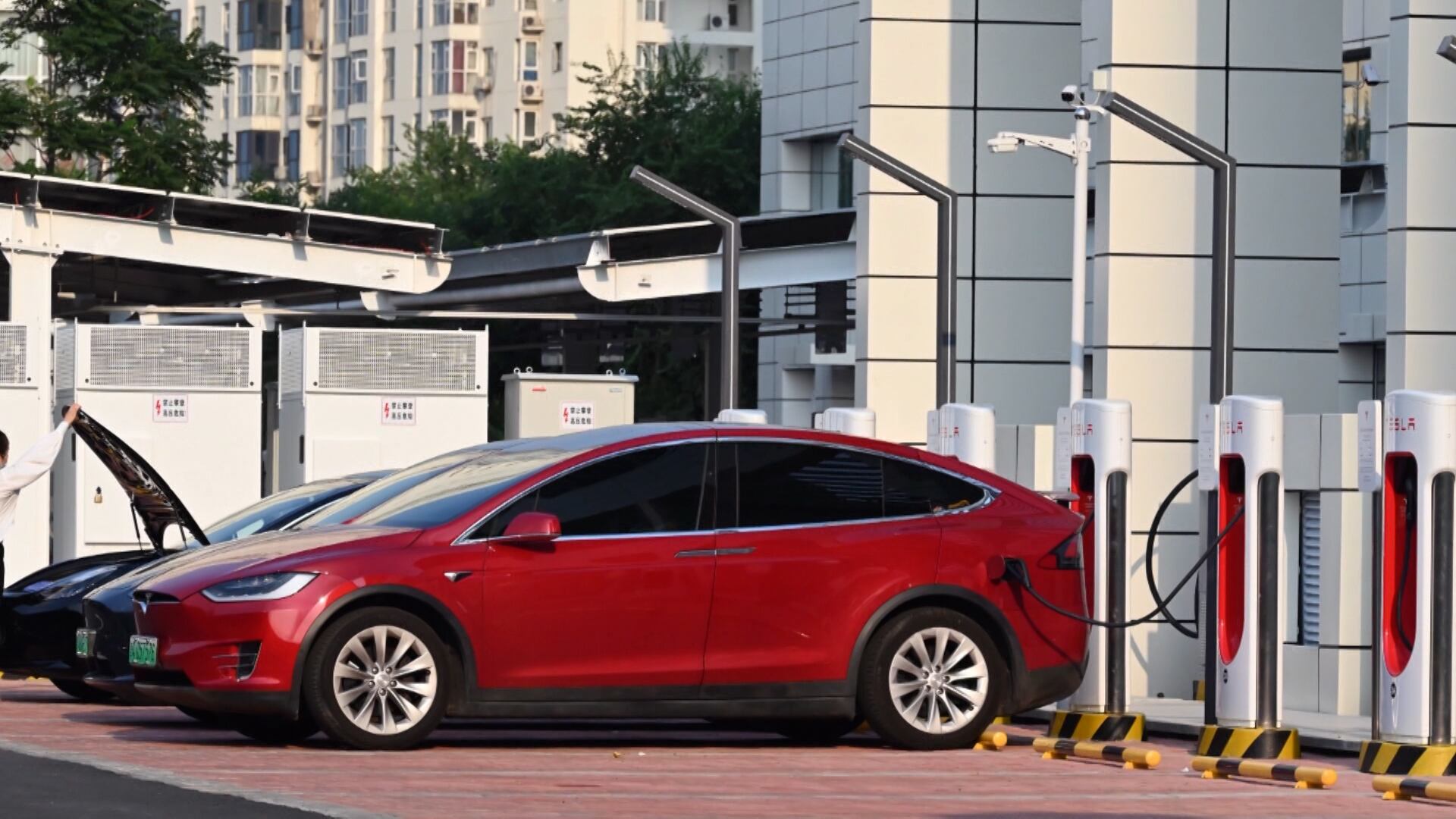
President Biden proposed a new rule that would add 500,000 chargers for electric vehicles nationwide. The proposal comes amid the rapid shift to EVs with dozens of automakers announcing plans for all-electric fleets within the next decade. But with the new surge will the U.S. have the proper infrastructure to keep up? Scott Painter, founder and CEO of Autonomy.com joined Cheddar's Opening Bell to discuss. "I really think the idea of standardization is a big deal. Standardization certainly makes it much better for everybody to be able to get a charge when they need one," he said.