*By Chloe Aiello*
Apple filed an appeal on Monday to overturn a court-ordered ban on the import and sale of some iPhones in China.
Chipmaker Qualcomm requested an injunction against Apple ($AAPL), alleging patent violations on a particular feature that allows users to adjust the size and appearance of photos, and another that manages applications with a touchscreen. Two preliminary injunctions were granted earlier on Monday by the Fuzhou Intermediate People's Court in China. The injunctions did not apply to Apple's newest phone models.
Axios chief technology correspondent Ina Fried said the injunction was likely a next-best scenario for Qualcomm ($QCOM).
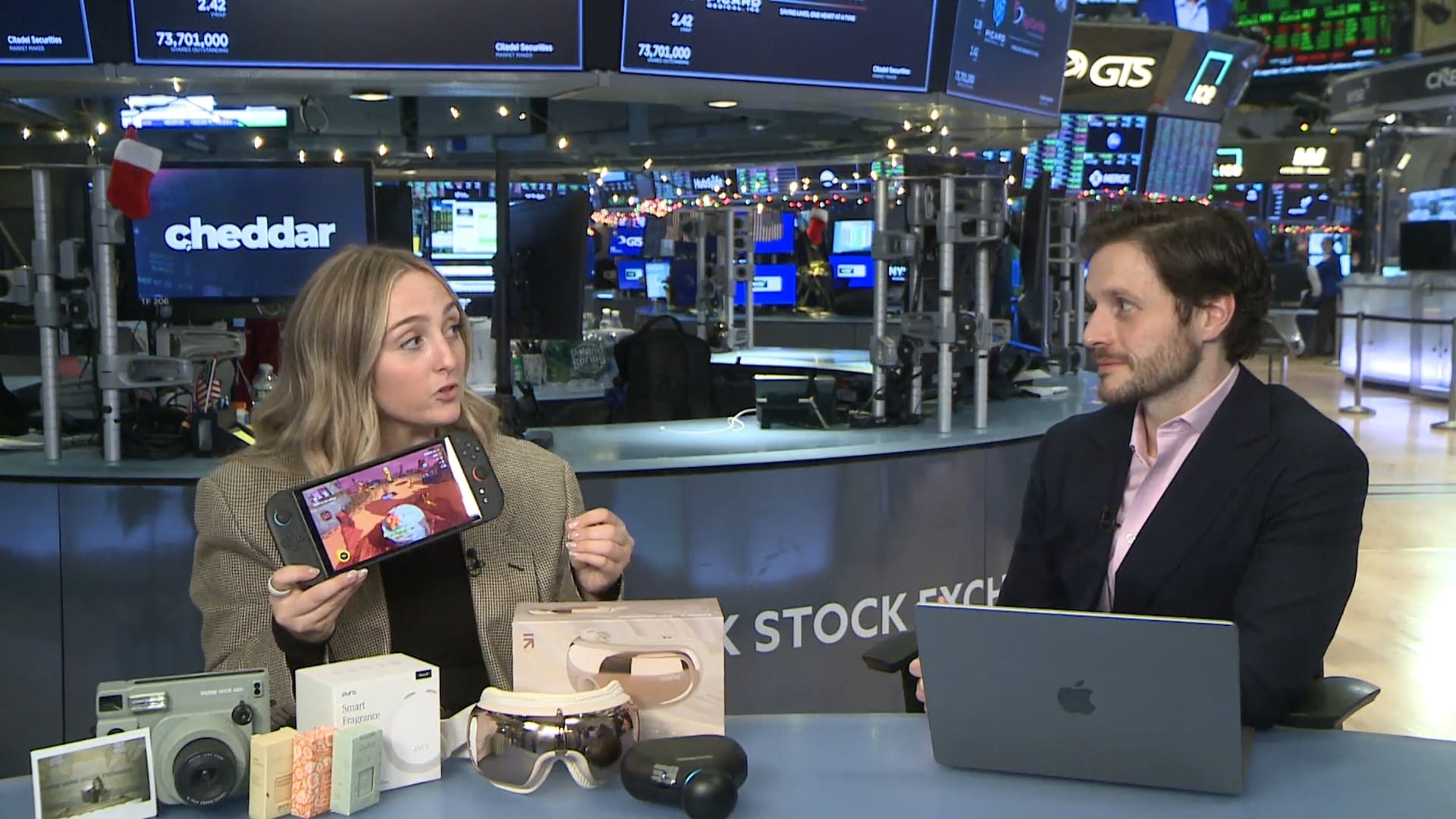
"Qualcomm was seeking an import ban that would have prevented iPhones from coming into the U.S. That would have been a huge deal. They didn't get that or they haven't gotten that yet, this is probably in the sort of next-best-thing camp, where at least they've gotten a court somewhere to say we are going to issue an injunction," Fried told Cheddar.
Apple stocks tumbled after news of the injunction, but recovered to close up slightly at $169.60 per share.
Wedbush analyst Dan Ives called Qualcomm's actions a "gut punch" to Apple investors in a note on Monday.
"It continues to feel like every day the sun will come out and there will be another bad data point for Apple since the company reported its quarter in early November it’s been a string of bad news around iPhone demand, transparency in the food chain, supplier cuts, China tariff worries with the stock down significantly and losing its gains for the year," Ives wrote.
But Fried said the move wasn't so much a tactic to hurt share pricing but rather "the most effective legal strategy."
Qualcomm and Apple have been locked in legal battles for years on issues like patent infringement, breach of contract, and [more](https://www.axios.com/china-injunction-iphone-patents-qualcomm-apple-9492f4c8-d031-45aa-af22-ca41d846144f.html). Fried said Apple will most likely tweak its software and continue selling iPhones, but this type of injunction is just disruptive enough to get both parties talking.
"I don't expect to see iPhones stop being sold in China, but it does certainly get their attention and is the kind of thing that maybe starts to make companies go how can we work this out," Fried said.
Apple did not immediately respond to Cheddar's request for comment.
For full interview [click here](https://cheddar.com/videos/apple-fights-back-against-qualcomm-in-china).
Ford is recalling more than 355,000 of its pickup trucks across the U.S. because of an instrument panel display failure that’s resulted in critical information, like warning lights and vehicle speed, not showing up on the dashboard.
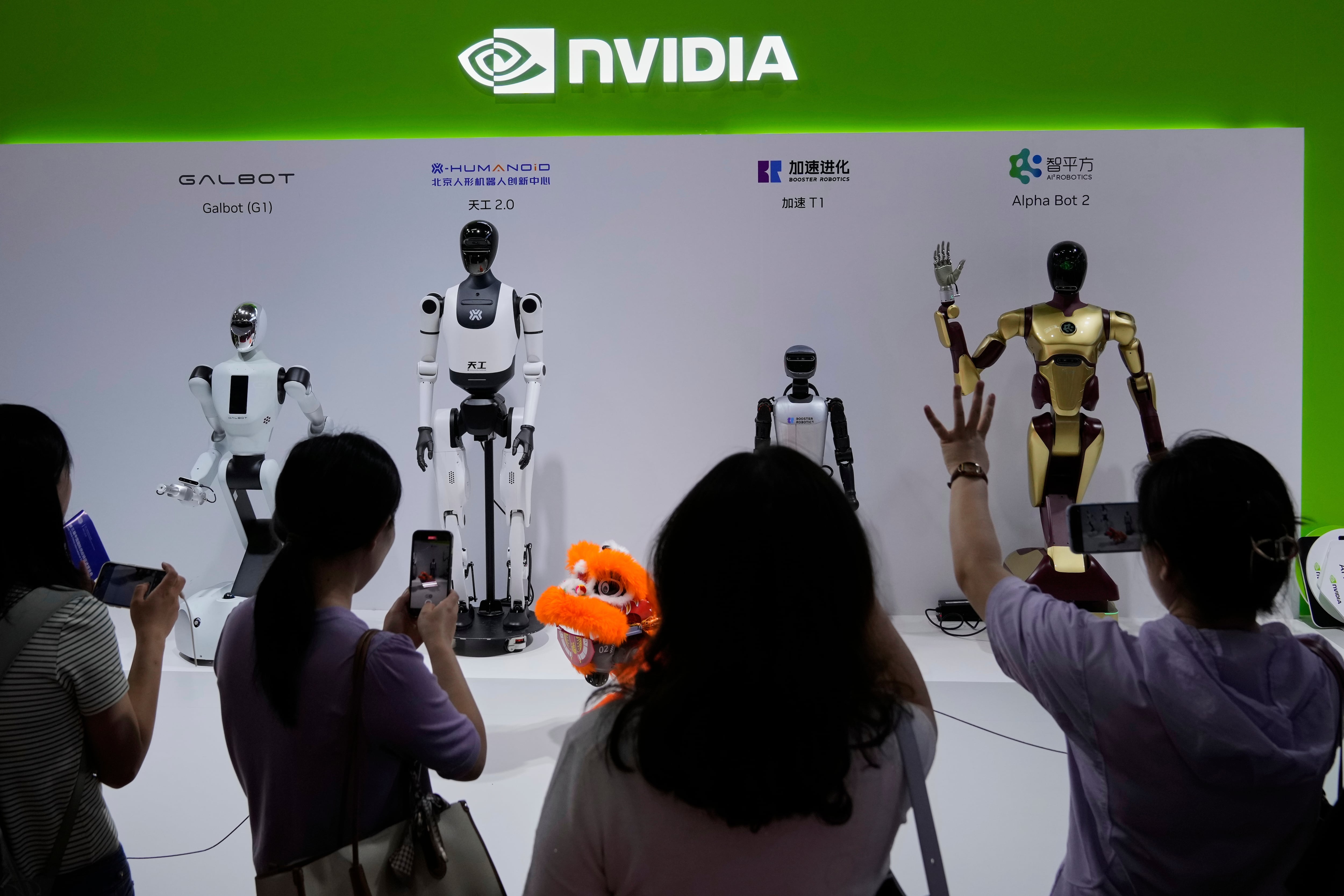
Nvidia reported a 56% increase in second-quarter revenue and a 59% rise in net income compared to a year ago.
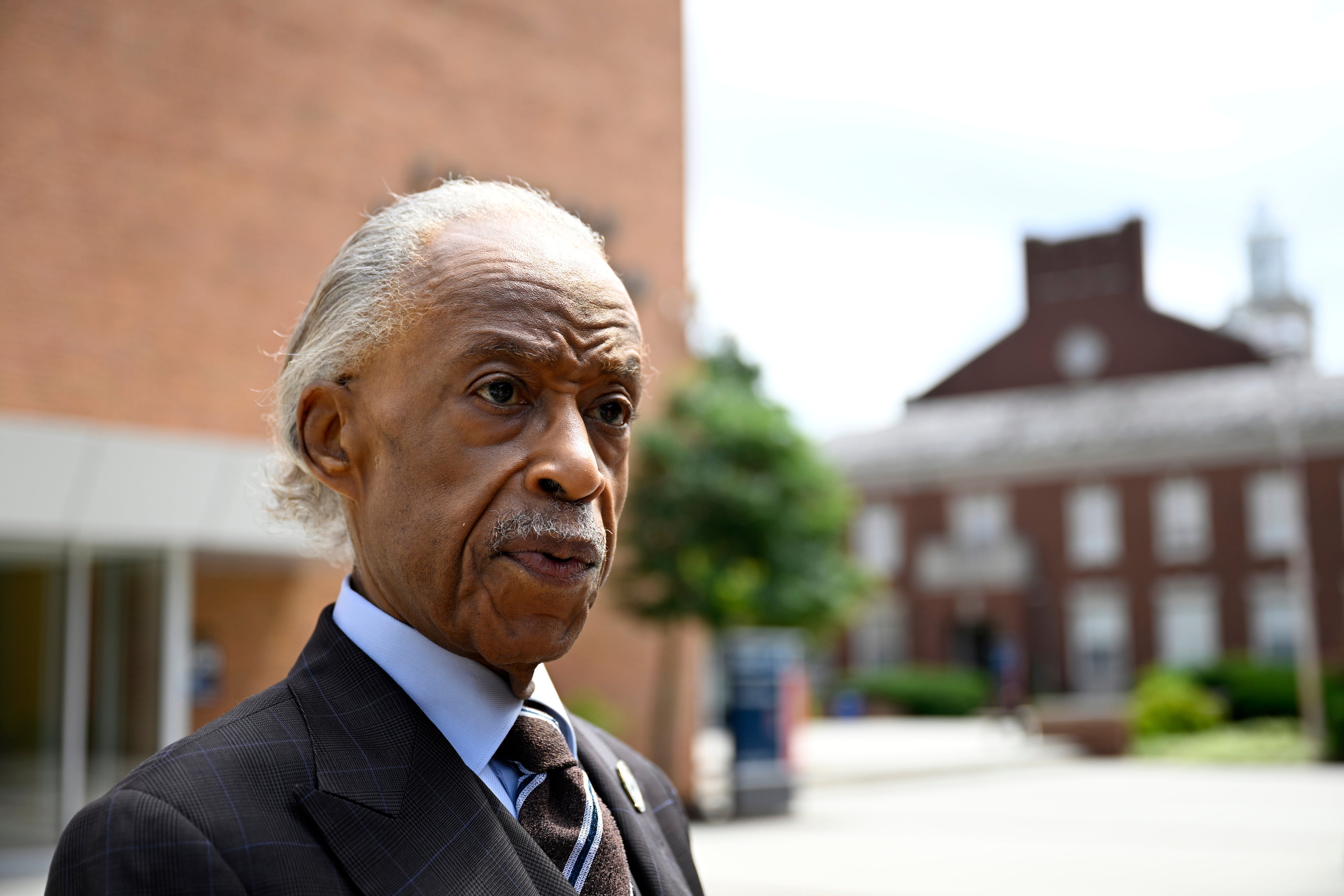
The Rev. Al Sharpton is set to lead a protest march on Wall Street to urge corporate America to resist the Trump administration’s campaign to roll back diversity, equity and inclusion initiatives. The New York civil rights leader will join clergy, labor and community leaders Thursday in a demonstration through Manhattan’s Financial District that’s timed with the anniversary of the Civil Rights-era March on Washington in 1963. Sharpton called DEI the “civil rights fight of our generation." He and other Black leaders have called for boycotting American retailers that scaled backed policies and programs aimed at bolstering diversity and reducing discrimination in their ranks.
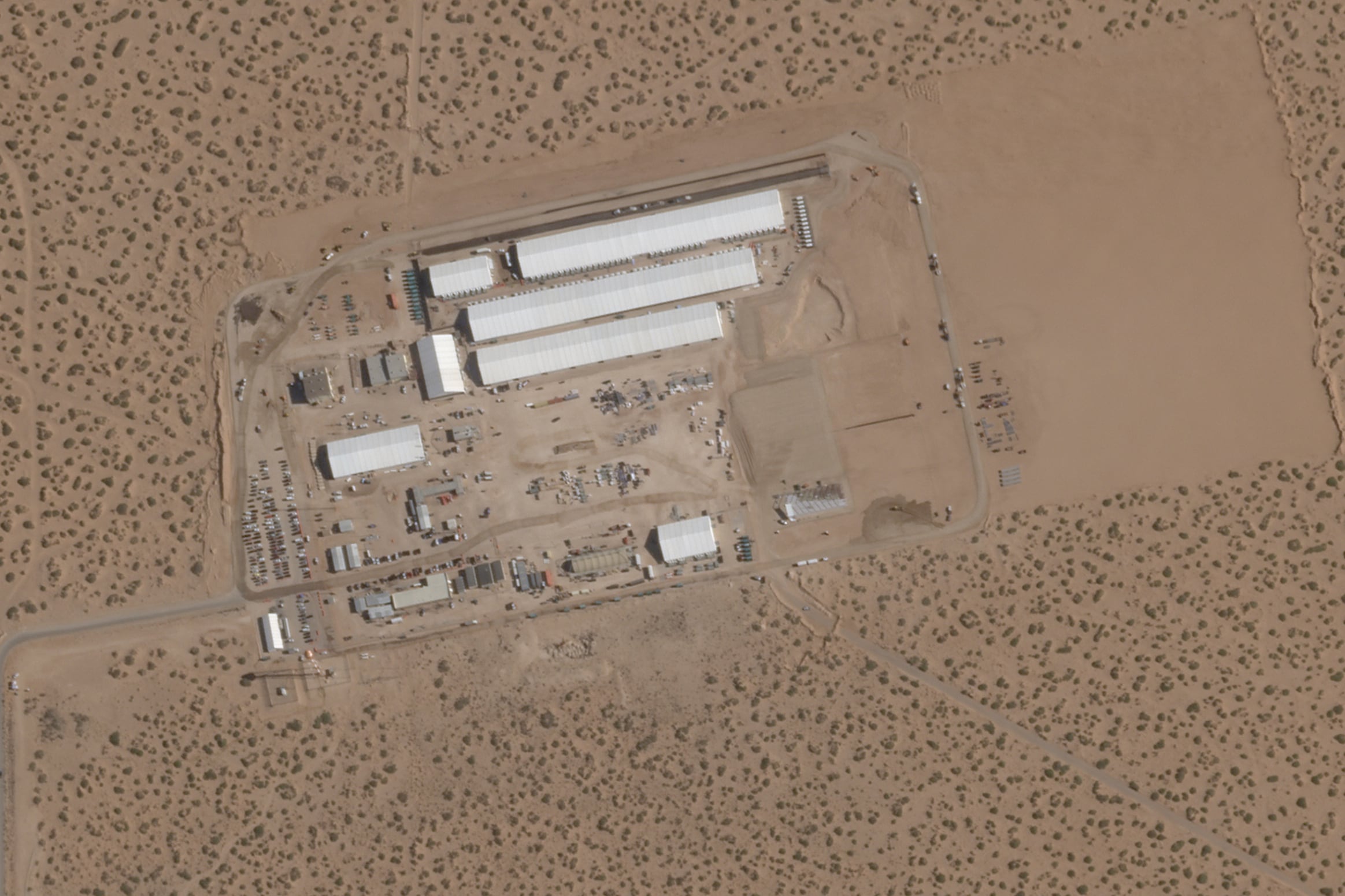
President Donald Trump's administration last month awarded a $1.2 billion contract to build and operate what's expected to become the nation’s largest immigration detention complex to a tiny Virginia firm with no experience running correction facilities.
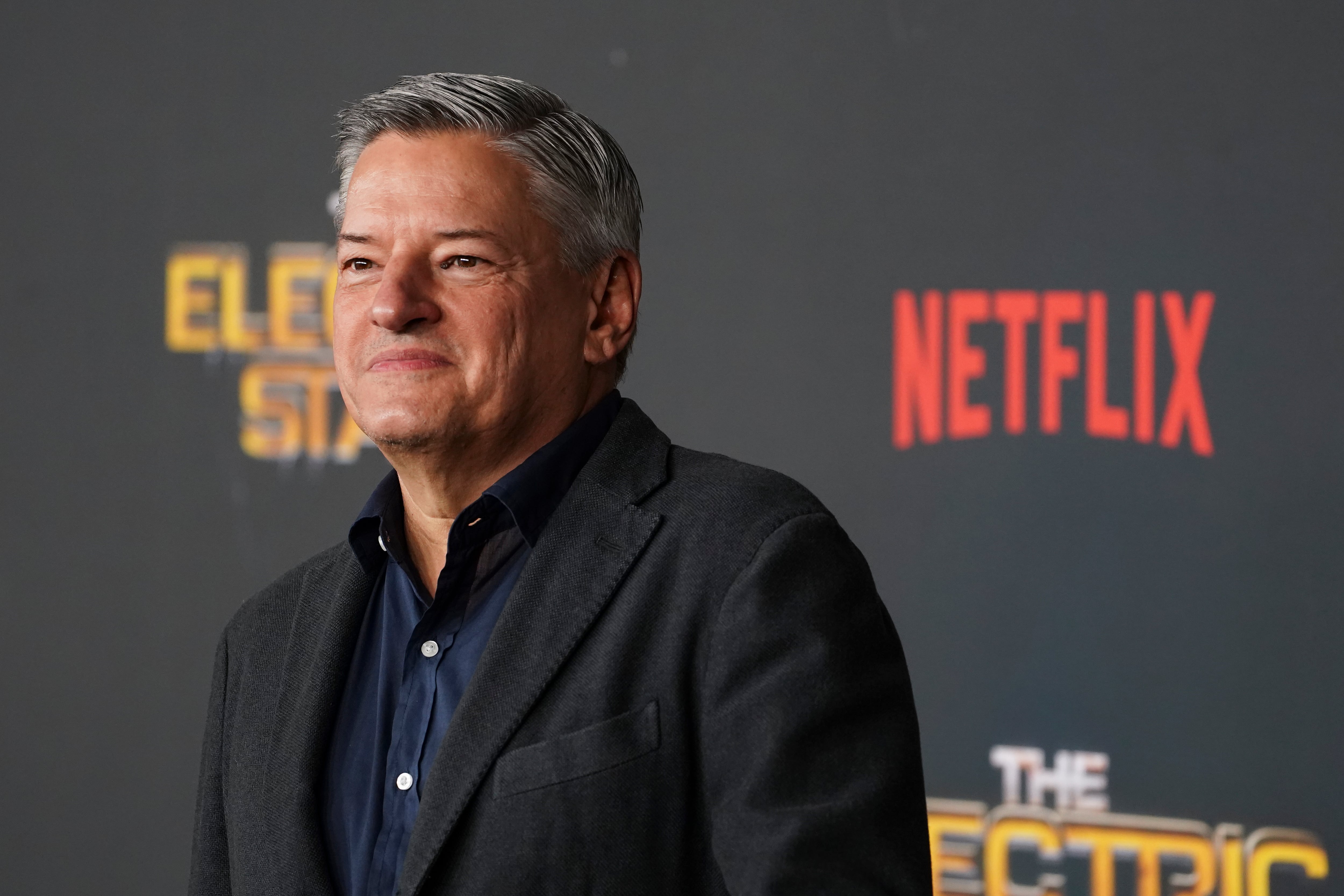
Netflix CEO Ted Sarandos claims audiences don't want to watch Netflix movies in theaters, but that seems not to be the case recently.
Chipmaker Nvidia is poised to release a quarterly report that could provide a better sense of whether the stock market has been riding an overhyped artificial intelligence bubble or is being propelled by a technological boom that’s still gathering momentum.
Cracker Barrel said late Tuesday it’s returning to its old logo after critics — including President Donald Trump — protested the company’s plan to modernize.
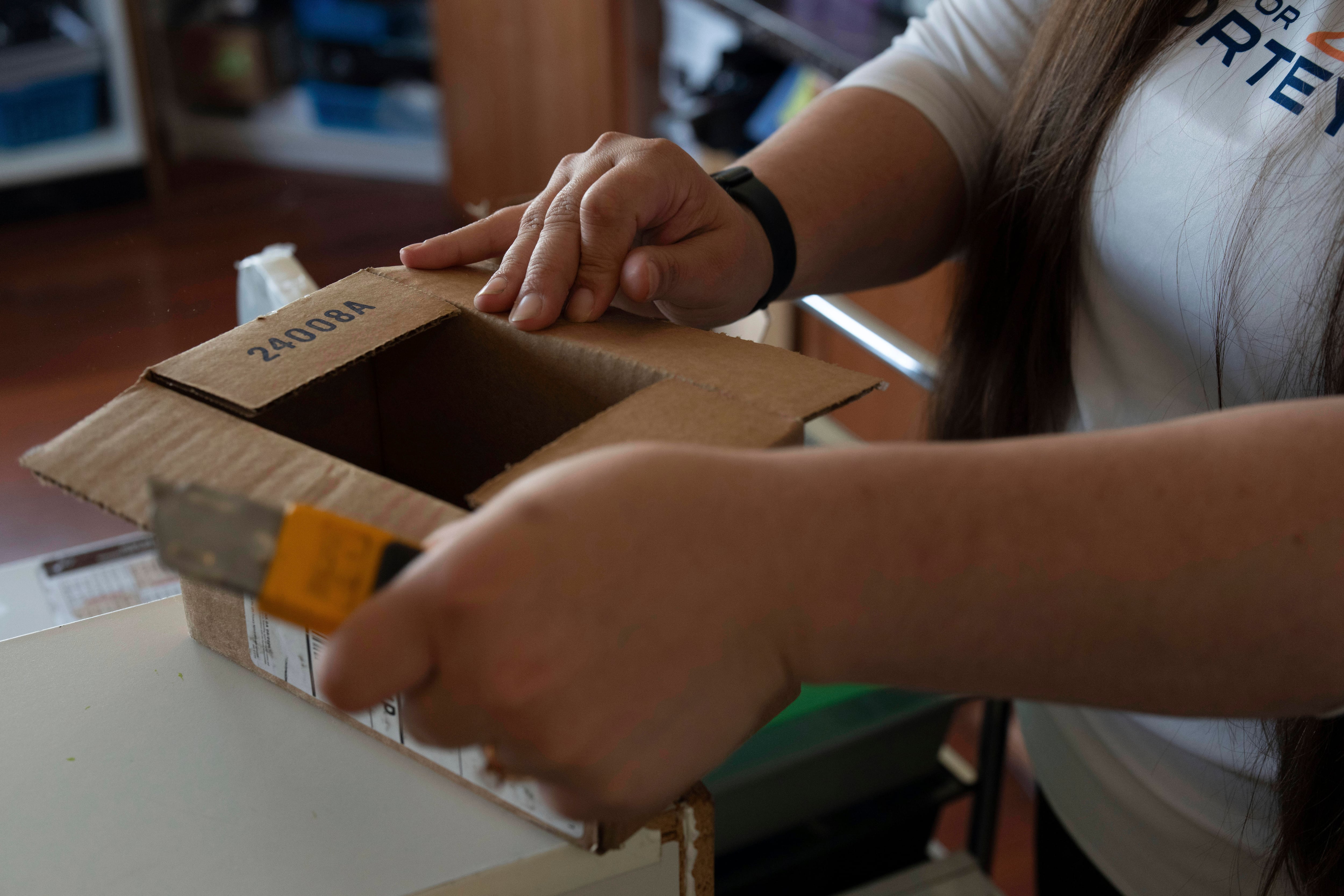
Low-value imports are losing their duty-free status in the U.S. this week as part of President Donald Trump's agenda for making the nation less dependent on foreign goods. A widely used customs exemption for international shipments worth $800 or less is set to end starting on Friday. Trump already ended the “de minimis” rule for inexpensive items sent from China and Hong Kong, but having to pay import taxes on small parcels from everywhere else likely will be a big change for some small businesses and online shoppers. Purchases that previously entered the U.S. without needing to clear customs will be subject to the origin country’s tariff rate, which can range from 10% to 50%.
Southwest Airlines will soon require plus-size travelers to pay for an extra seat in advance if they can't fit within the armrests of one seat. This change is part of several updates the airline is making. The new rule starts on Jan. 27, the same day Southwest begins assigning seats. Currently, plus-size passengers can pay for an extra seat in advance and later get a refund, or request a free extra seat at the airport. Under the new policy, refunds are still possible but not guaranteed. Southwest said in a statement it is updating policies to prepare for assigned seating next year.
Cracker Barrel is sticking with its new logo. For now. But the chain is also apologizing to fans who were angered when the change was announced last week.