By Damian J. Troise and Alex Veiga
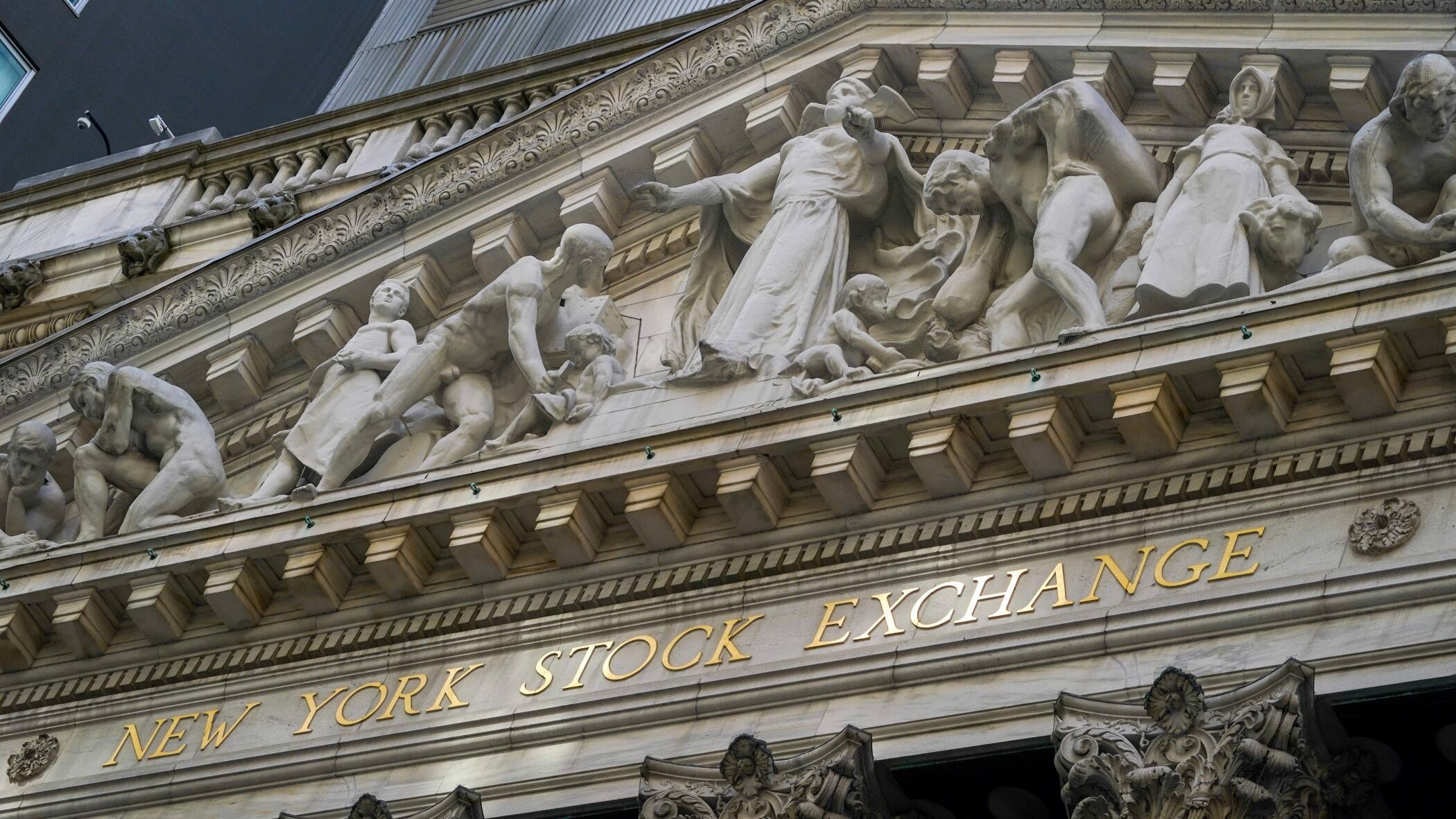
Stocks fell broadly on Wall Street and Treasury yields rose Thursday after another hot reading on the job market raised worries that the Federal Reserve will need to keep inflicting pain on the economy to fight inflation.
The S&P 500 fell 1.2%, clawing back all of its gains from a day earlier. The benchmark index is on pace for its fifth straight weekly loss. The Dow Jones Industrial Average fell 1% and the Nasdaq composite lost 1.5%.
Technology, health care and industrial stocks weighed most on the market. Microsoft fell 3%, UnitedHealth Group slid 2.9% and Honeywell International lost 2.7%.
Energy stocks bucked the broader market slide as the price of U.S. crude oil settled 1.1% higher. Exxon Mobil rose 2.2%.
The pullback came after payroll company ADP reported a bigger-than-expected increase in jobs at private companies last month. The U.S. government also reported that the number of Americans applying for unemployment benefits fell to the lowest level in more than three months last week.
On Wednesday, a government report showed a higher than expected number of job openings in November. The strong labor market reports set the stage for the release on Friday of the Labor Department's snapshot of hiring in December.
In recent months, that closely watched monthly employment figure has typically come in stronger-than-expected when following a robust ADP jobs report, according to Brad McMillan, chief investment officer for Commonwealth Financial Network.
“The real question for investors tomorrow will be whether the economy continues to grow faster than expected — and faster than the Fed wants — or will it stay in a sweeter spot with continued moderate growth," he wrote Thursday. “The data suggests the former.”
The continued strength in the job market makes the Fed’s job of reining in inflation more difficult by putting upward pressure on wages. The central bank remains determined to keep interest rates high to slow economic growth and tame inflation. The strategy, though, risks going too far bringing on a recession.
The yield on the two-year Treasury, which tends to track expectations for future Fed actions, was steady throughout most of the early morning, but rose significantly following the latest jobs reports. It jumped to 4.46% from 4.36% late Wednesday.
The yield on the 10-year Treasury, which influences mortgage rates, rose to 3.71% from 3.69% late Wednesday. The nation's housing market has slowed sharply over the past year as the average rate on the benchmark 30-year mortgage more than doubled.
The Fed’s benchmark lending rate stands at a range of 4.25% to 4.5%, up from close to zero following seven increases last year. It has forecast that the rate will reach a range of 5% to 5.25% by the end of 2023 and it isn’t calling for a rate cut before 2024.
Inflation has been easing from a peak of 9.1% in June to 7.1% in November and investors have been hoping for signs that could prompt the Fed to ease up on applying the brakes to the economy with high interest rates. Those hopes have been dashed so far.
Meanwhile, Wall Street is looking ahead to the latest round of corporate earnings to get a better a sense of how companies are handling hot inflation and weakening consumer demand. Companies in the S&P 500 will pick up the pace of reporting in a few weeks, but some results are already trickling in.
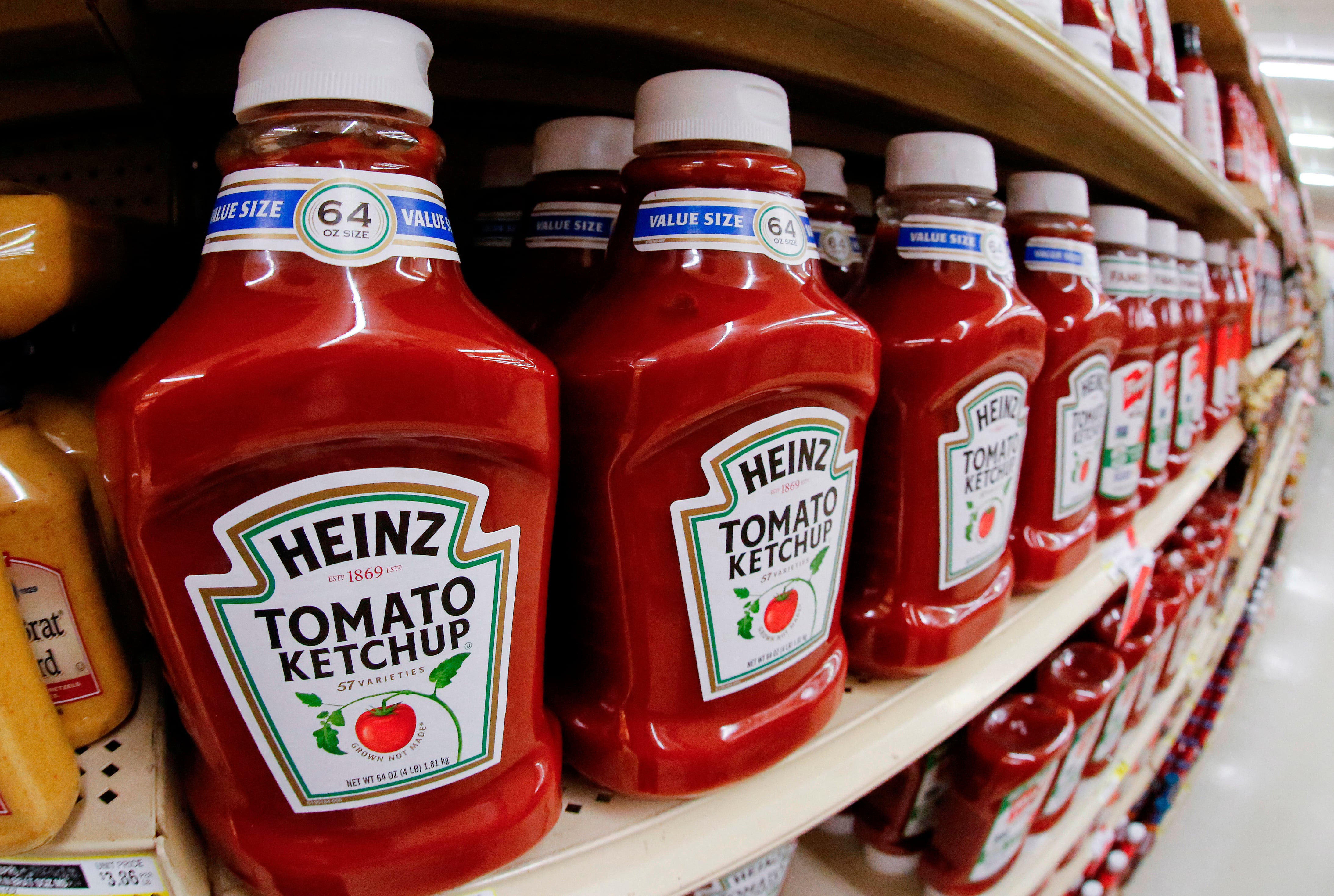
French fry maker Lamb Weston rose 9.8% and Hunt's ketchup maker Conagra rose 3.4% after reporting strong results for their most recent quarters. Constellation Brands, which markets Corona beer and Robert Mondavi wine, fell 9.7%, the largest drop among S&P 500 stocks, after the company trimmed its profit forecast for the year.
Bed Bath & Beyond slumped 29.9%, its biggest slide in nearly two years, after the already struggling home goods retailer warned investors that it may need to file for bankruptcy as sales continue to drop and it struggles to attract shoppers.
All told, the S&P 500 fell 44.87 points to 3,808.10. The Dow dropped 339.69 points to 32,930.08. The Nasdaq slid 153.52 points to 10,305.24.
Small company stocks also lost ground. The Russell 2000 index fell 19.35 points, or 1.1%, to 1,753.19.