Minneapolis Councilwoman on Sexual Harassment: There Won't Be Any Men Working
The 2017 campaign season ushered in a string of boundary-breaking elections across the United States.
Voters swept Democratic candidates from underrepresented communities into office in the party's first major victory of the Trump era. Andrea Jenkins is the first openly transgender African-American woman ever elected to public office.
The newly-elected Minneapolis City Councilwoman joined Cheddar to discuss her big win.
Jenkins put the November elections in perspective, drawing comparisons between herself and other history-making candidates, such as Virginia's Danica Roem. She also gives a prediction as to whether Democrats can keep these trends going into 2018 and beyond.
Finally, we discussed the dozens of sexual misconduct allegations rocking both Hollywood and Washington D.C. A second woman came forward Monday with more claims that Senator Al Franken touched her inappropriately. Jenkins says if these kind of allegations keep surfacing, there won't be any men left in Washington D.C. eligible to lead.
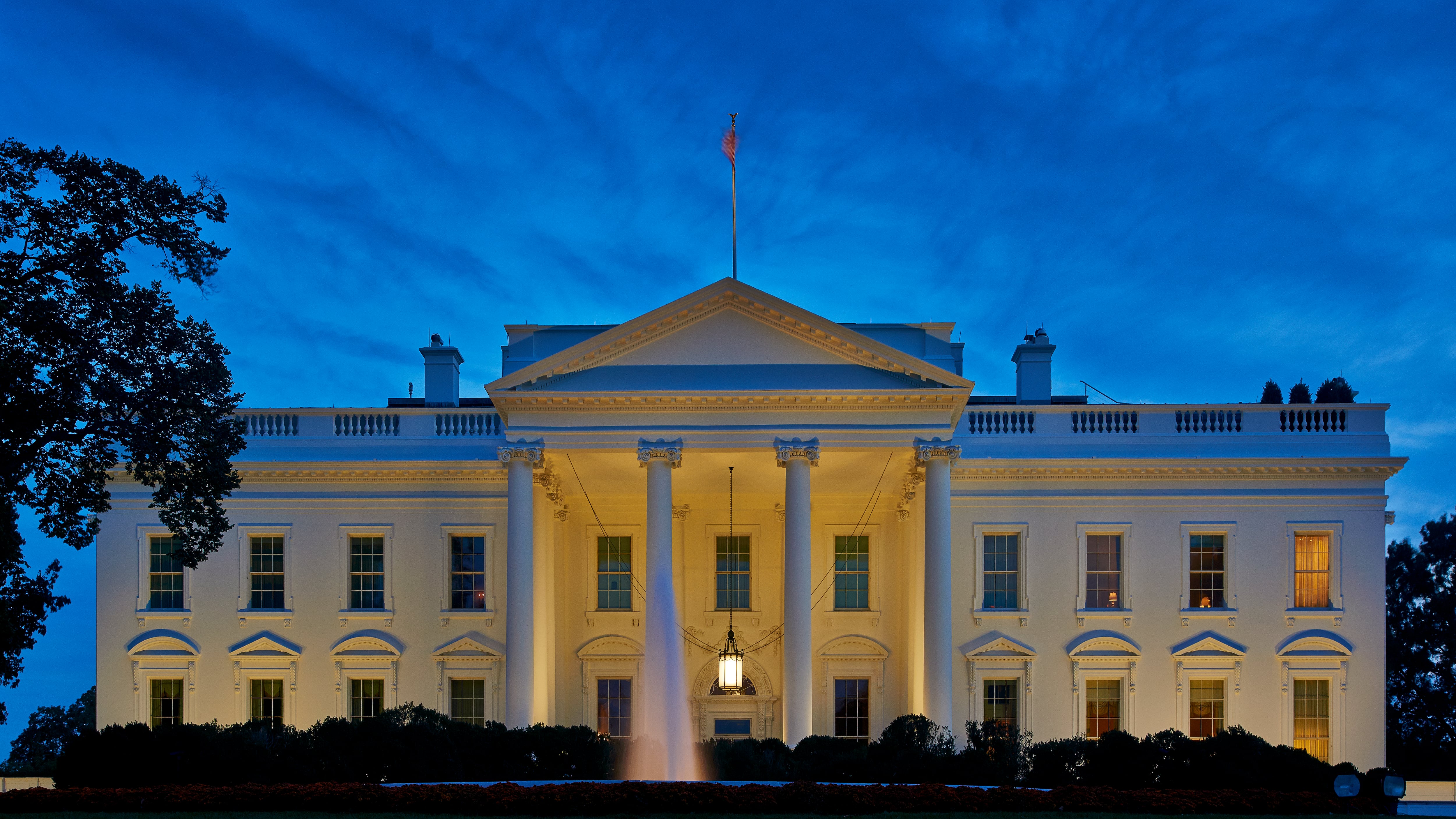
No fingerprints or DNA turned up on the baggie of cocaine found in a lobby at the White House last week despite a sophisticated FBI crime lab analysis, and surveillance footage of the area didn’t identify a suspect, according to a summary of the Secret Service investigation obtained by The Associated Press. There are no leads on who brought the drugs into the building.
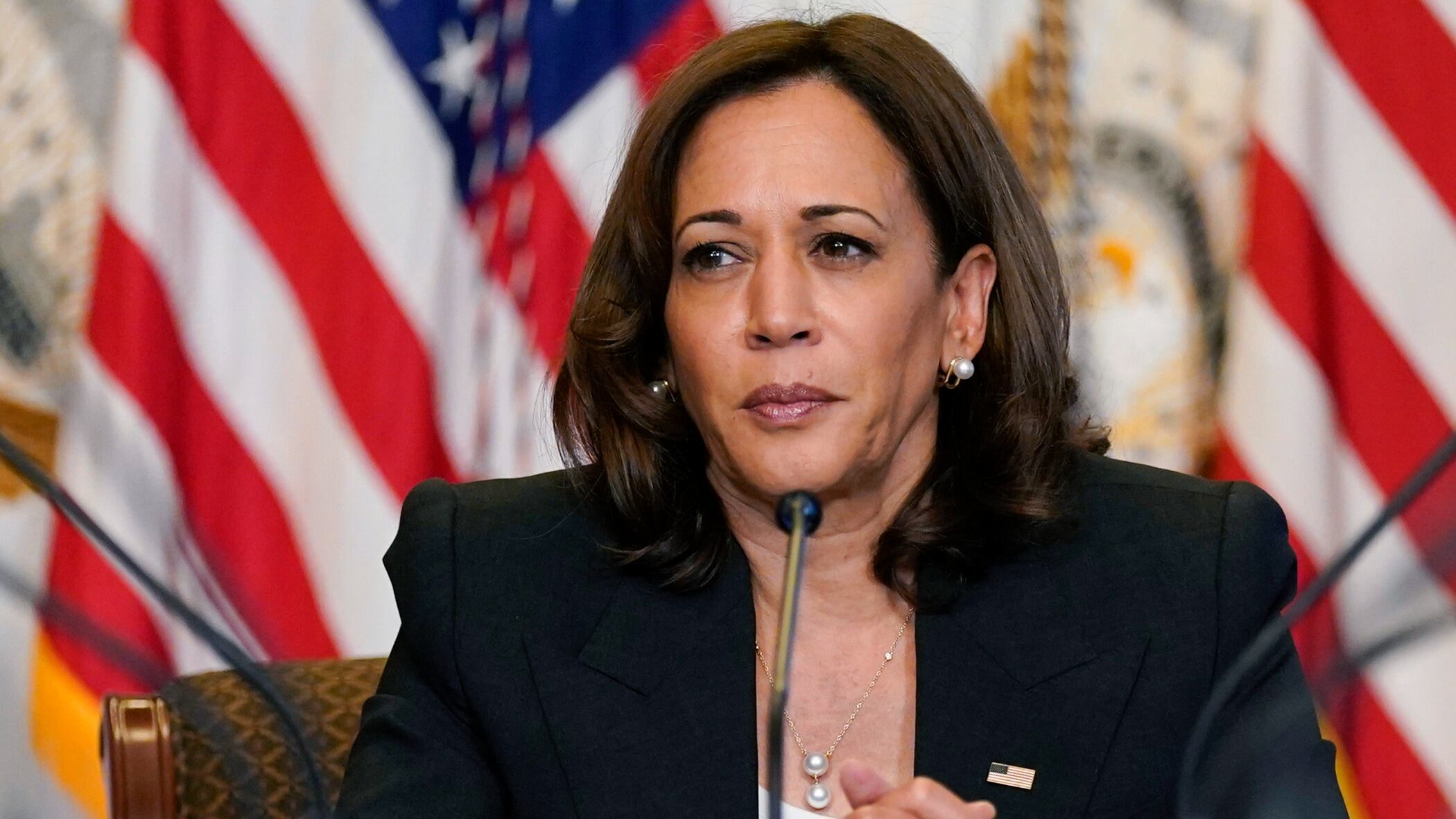
Kamala Harris, who made history as the first woman or person of color to serve as vice president, has made history again by matching the record for most tiebreaking votes in the Senate.
Republicans on the House Judiciary Committee accused the agency of targeting conservatives, suppressing evidence that Covid-19 came from a lab leak and abusing its surveillance powers.
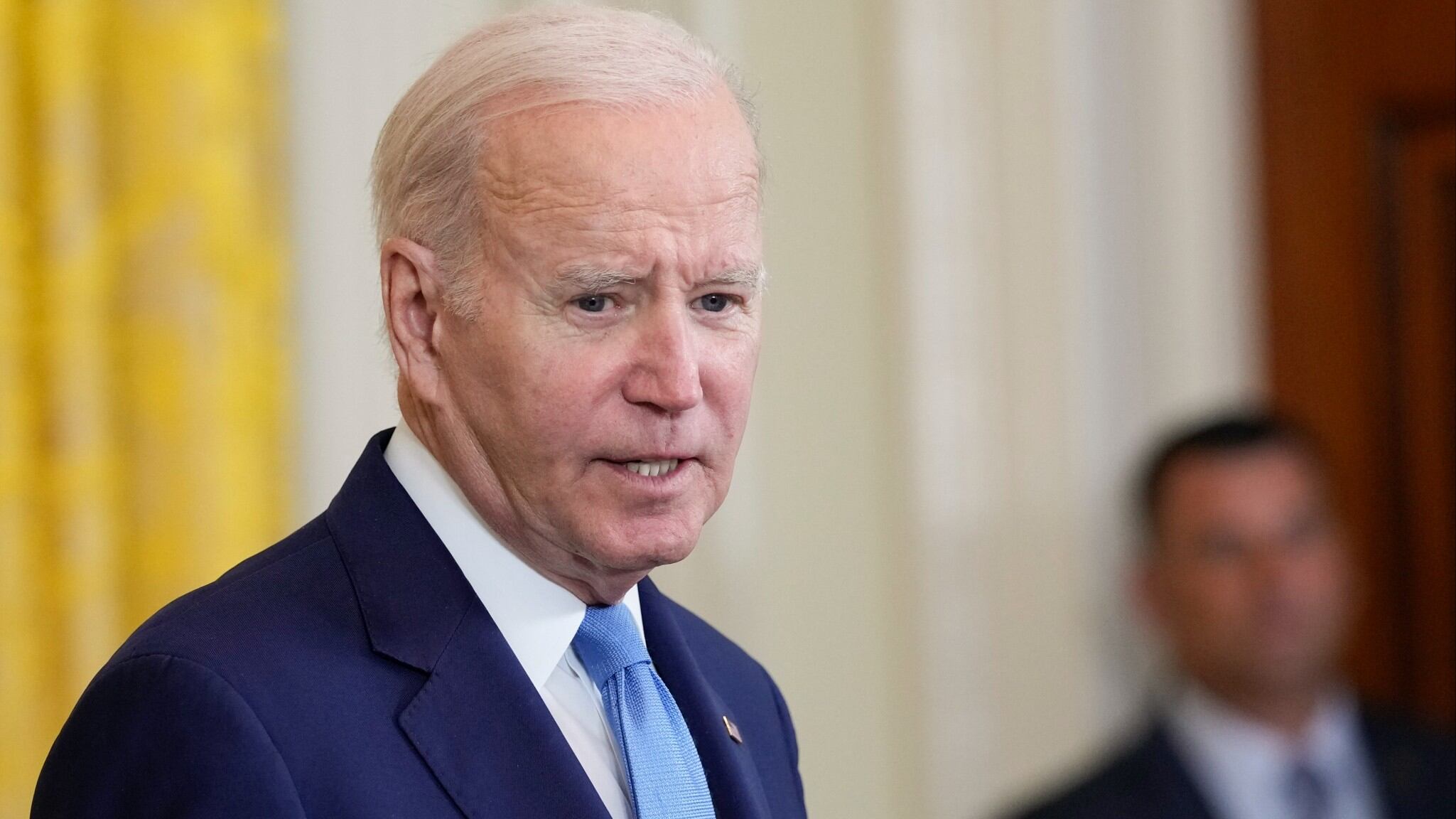
The Biden administration calls it a “student loan safety net.” Opponents call it a backdoor attempt to make college free. And it could be the next battleground in the legal fight over student loan relief.
Nearly 30,000 people in Mississippi were dropped from the state's Medicaid program after an eligibility review that the government ended during the pandemic.
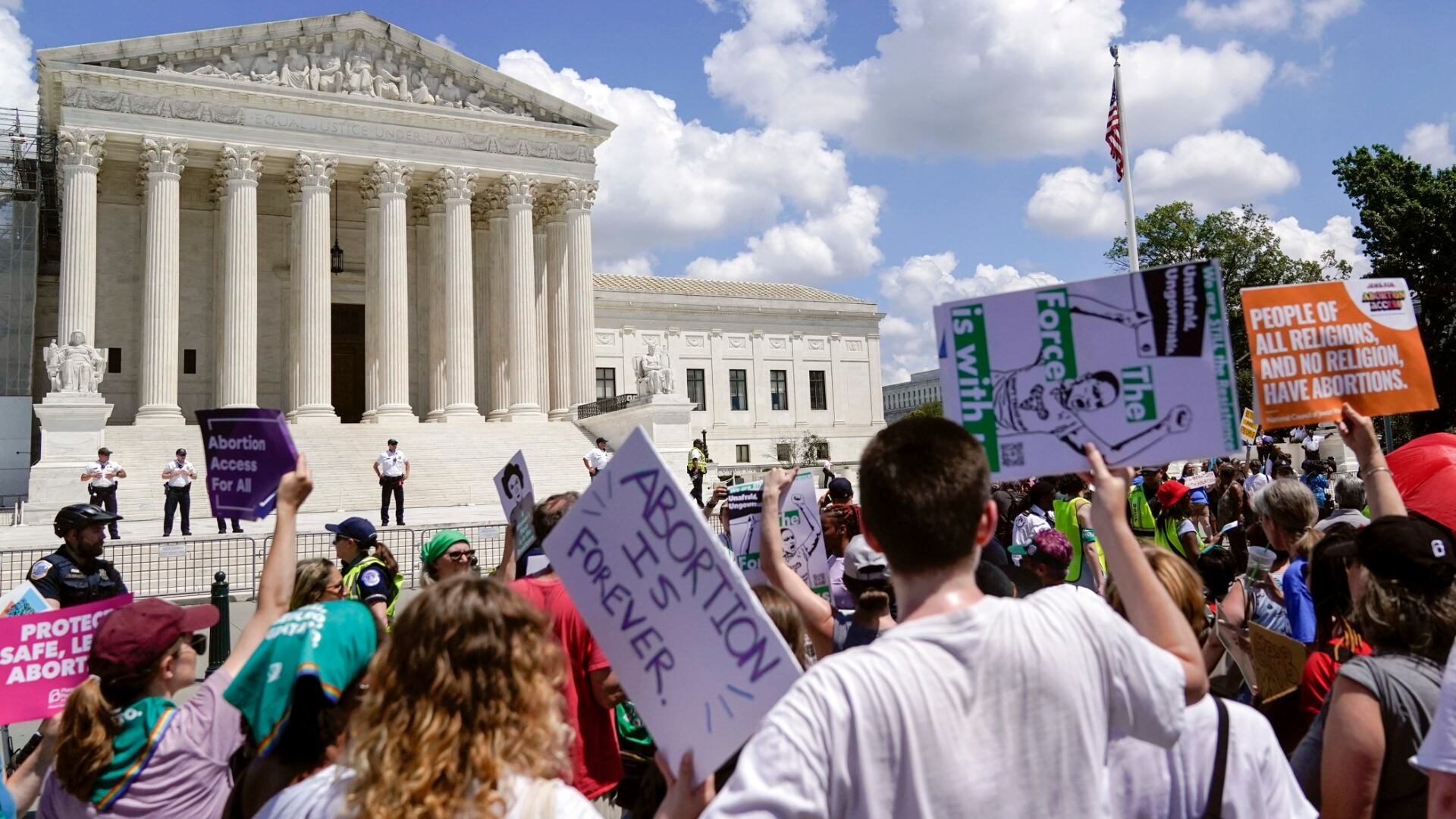
Members of a deeply conservative Amish community in Minnesota don't need to install septic systems to dispose of their “gray water,” the state Court of Appeals ruled Monday in a long-running religious freedom case that went all the way up to the U.S. Supreme Court.