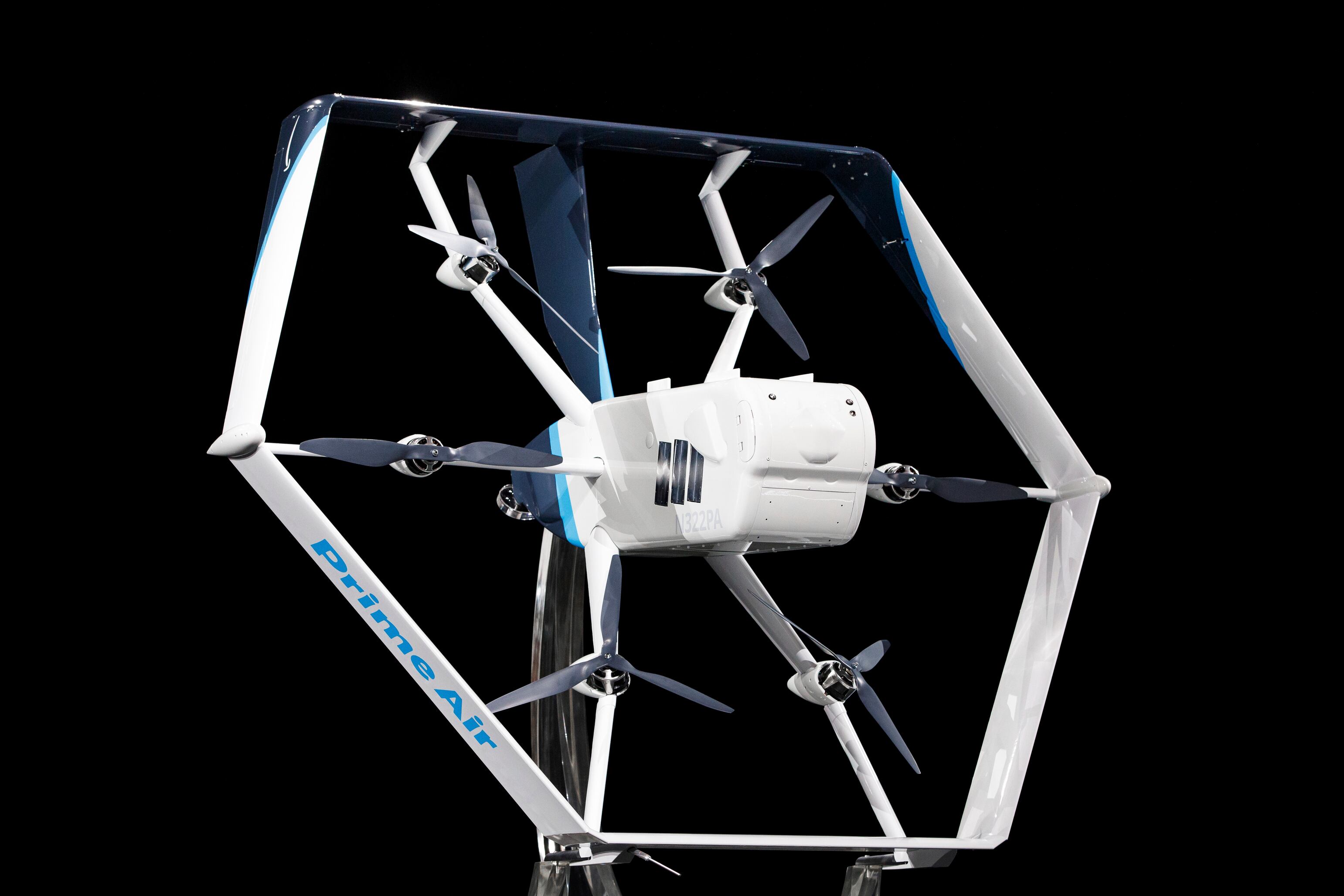
This undated image provided by Amazon shows one of the company's delivery drones. Amazon won approval to deliver packages by drones from the Federal Aviation Administration, the agency said Monday, Aug. 31, 2020. (Jordan Stead/Amazon via AP, File)
By Joseph Pisani
Getting an Amazon package delivered from the sky is closer to becoming a reality.
The Federal Aviation Administration said Monday it had granted Amazon approval to deliver packages by drones.
Amazon said that the approval is an "important step," but added that it is still testing and flying the drones. It did not say when it expected drones to make deliveries to shoppers.
The online shopping giant has been working on drone delivery for years, but it has been slowed by regulatory hurdles. Back in December 2013, Amazon CEO and founder Jeff Bezos said in a TV interview that drones would be flying to customer's homes within five years.
Last year, Amazon unveiled self-piloting drones that are fully electric, can carry 5 pounds of goods, and are designed to deliver items in 30 minutes by dropping them in a backyard. At the time, an Amazon executive said deliveries to shoppers would be happening "within months," but more than 14 months have passed since then.
Seattle-based Amazon is the third drone delivery service to win flight approval, the FAA said. Delivery company UPS and a company owned by search giant Google won approval last year.
Low-value imports are losing their duty-free status in the U.S. this week as part of President Donald Trump's agenda for making the nation less dependent on foreign goods. A widely used customs exemption for international shipments worth $800 or less is set to end starting on Friday. Trump already ended the “de minimis” rule for inexpensive items sent from China and Hong Kong, but having to pay import taxes on small parcels from everywhere else likely will be a big change for some small businesses and online shoppers. Purchases that previously entered the U.S. without needing to clear customs will be subject to the origin country’s tariff rate, which can range from 10% to 50%.
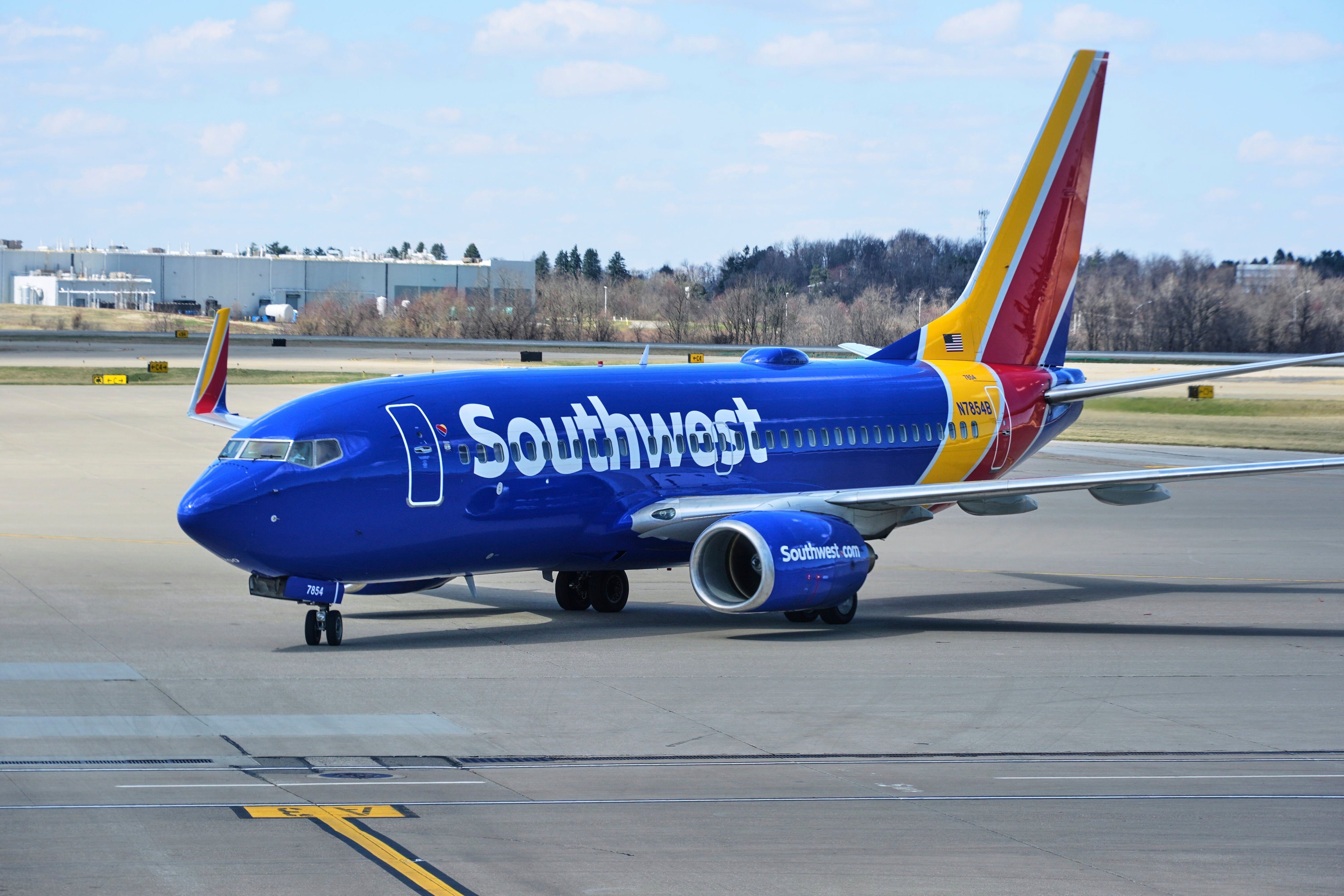
Southwest Airlines will soon require plus-size travelers to pay for an extra seat in advance if they can't fit within the armrests of one seat. This change is part of several updates the airline is making. The new rule starts on Jan. 27, the same day Southwest begins assigning seats. Currently, plus-size passengers can pay for an extra seat in advance and later get a refund, or request a free extra seat at the airport. Under the new policy, refunds are still possible but not guaranteed. Southwest said in a statement it is updating policies to prepare for assigned seating next year.
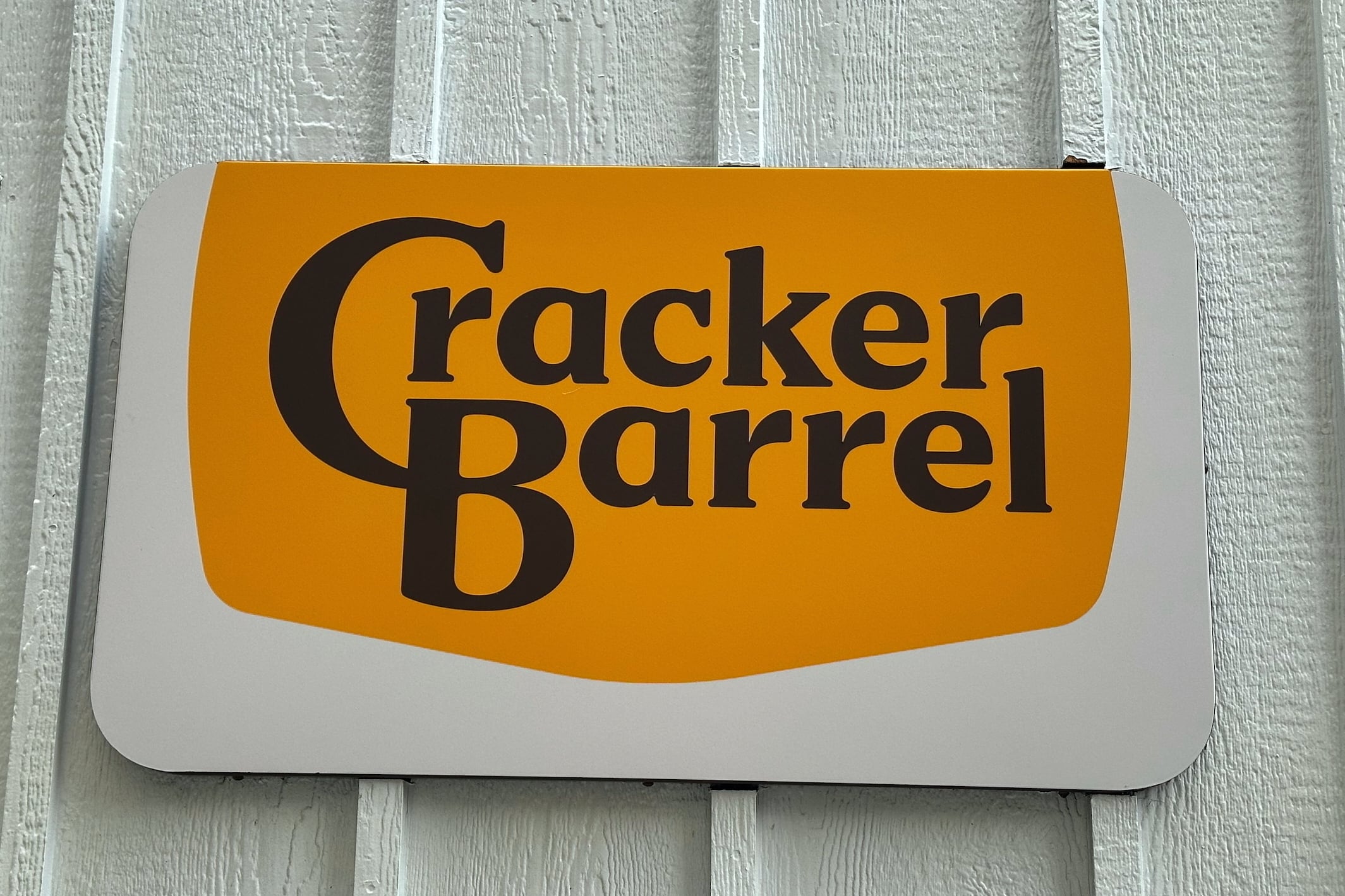
Cracker Barrel is sticking with its new logo. For now. But the chain is also apologizing to fans who were angered when the change was announced last week.
Elon Musk on Monday targeted Apple and OpenAI in an antitrust lawsuit alleging that the iPhone maker and the ChatGPT maker are teaming up to thwart competition in artificial intelligence.
Hear from Gabino & Stephen Roche on Saphyre’s institutional AI platform that centralizes pre‑ and post‑trade data, redefining settlement speed and accuracy.
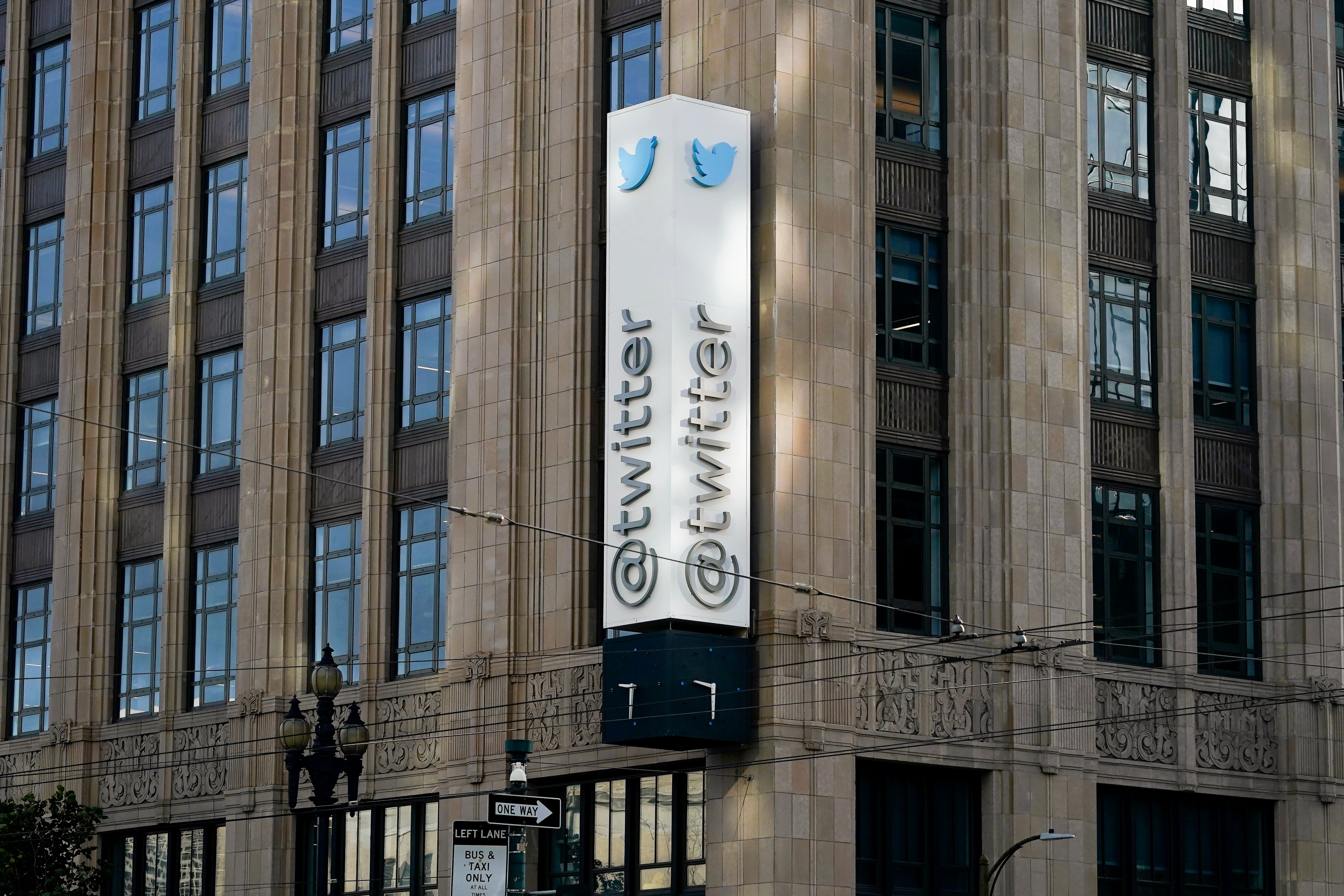
Elon Musk’s X has reached a tentative settlement with former employees of the company then known as Twitter who’d sued for $500 million in severance pay.