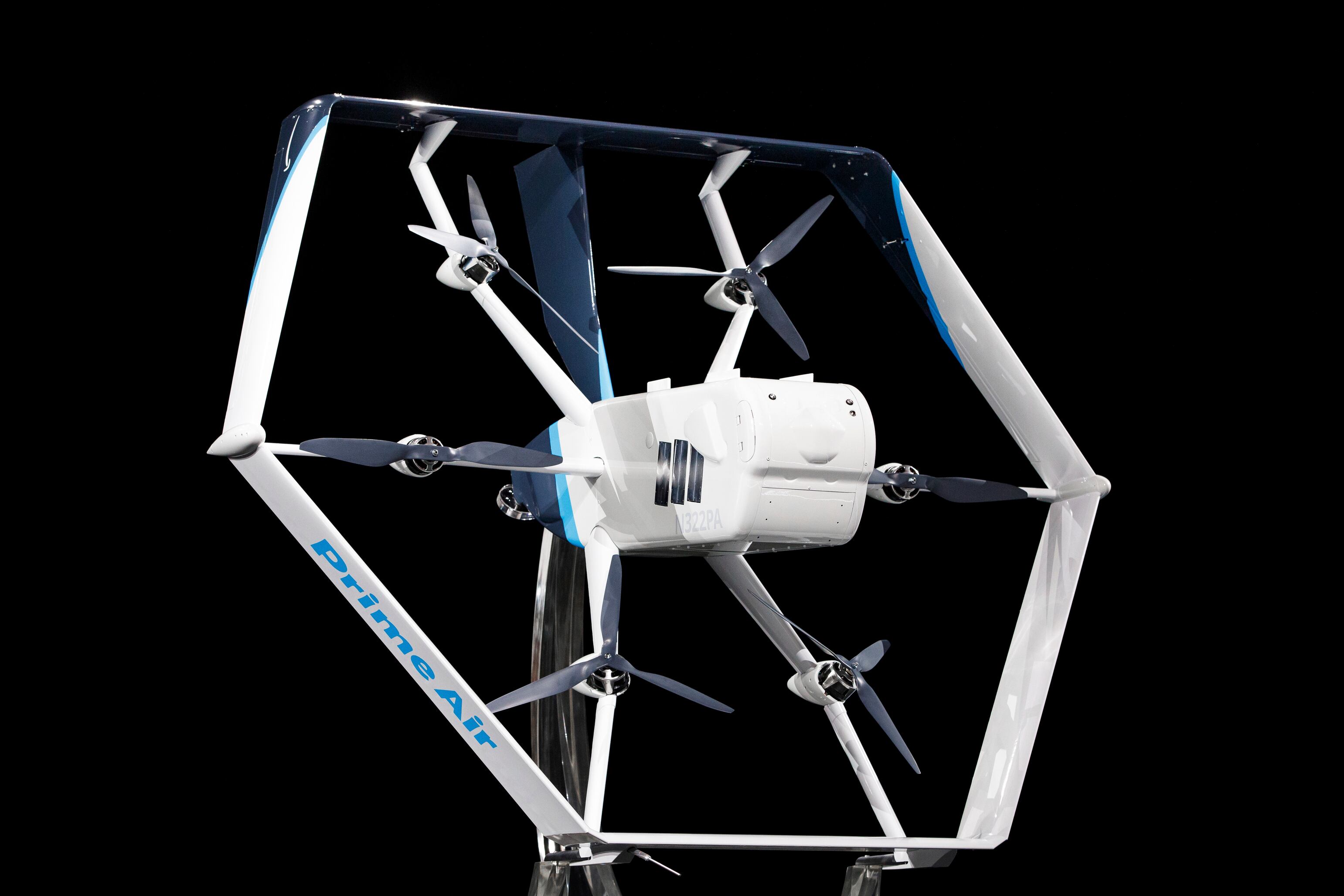
This undated image provided by Amazon shows one of the company's delivery drones. Amazon won approval to deliver packages by drones from the Federal Aviation Administration, the agency said Monday, Aug. 31, 2020. (Jordan Stead/Amazon via AP, File)
By Joseph Pisani
Getting an Amazon package delivered from the sky is closer to becoming a reality.
The Federal Aviation Administration said Monday it had granted Amazon approval to deliver packages by drones.
Amazon said that the approval is an "important step," but added that it is still testing and flying the drones. It did not say when it expected drones to make deliveries to shoppers.
The online shopping giant has been working on drone delivery for years, but it has been slowed by regulatory hurdles. Back in December 2013, Amazon CEO and founder Jeff Bezos said in a TV interview that drones would be flying to customer's homes within five years.
Last year, Amazon unveiled self-piloting drones that are fully electric, can carry 5 pounds of goods, and are designed to deliver items in 30 minutes by dropping them in a backyard. At the time, an Amazon executive said deliveries to shoppers would be happening "within months," but more than 14 months have passed since then.
Seattle-based Amazon is the third drone delivery service to win flight approval, the FAA said. Delivery company UPS and a company owned by search giant Google won approval last year.
Alexander Reed, CFA and CIO for Envisage Wealth, breaks down why he thinks rates could stay higher for longer and why real estate, utilities, and regional banks are sectors to avoid.
Big brands that have relied on TikTok videos to reach younger consumers do not appear to be panicking as they wait to see what happens. But they have started planning.
It's been 15 years since the last fatal crash of a U.S. airliner, but you wouldn't know that from a torrent of flight problems that made news in the last three months.
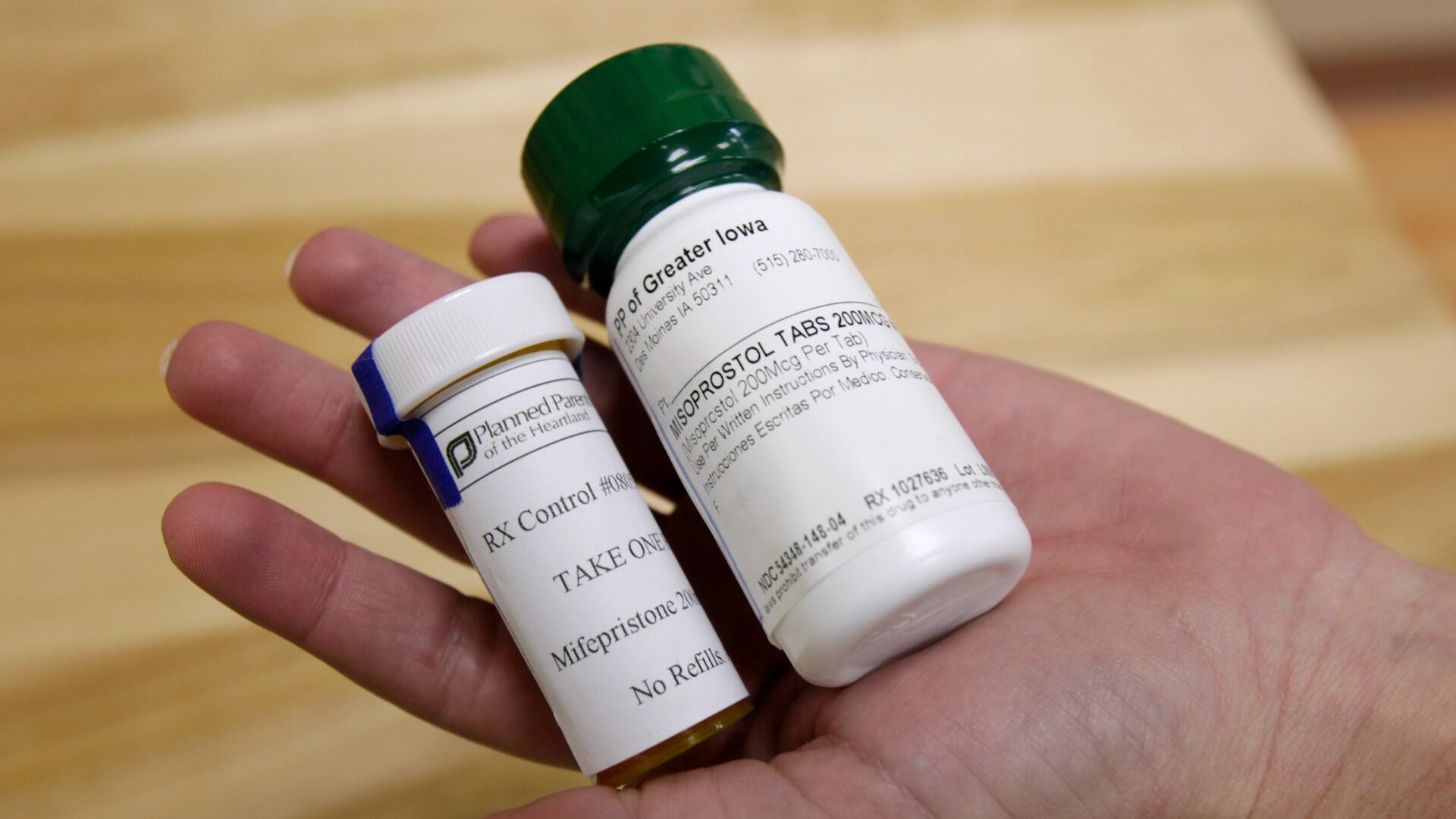
Abortion opponents want the high court to ratify a ruling from a conservative federal appeals court that would limit access to a medication called mifepristone, which was used in nearly two-thirds of abortions last year.
Annie Chechitelli, chief product officer at Turnitin, breaks down how students and teachers alike can learn from artificial intelligence – while still maintaining academic integrity.
Neiman Marcus Group CEO Geoffroy van Raemdonck talks luxury shopping and TikTok, why the company prefers to be private for now, and the benefits of flexible work arrangements.
Rebecca Walser, founder and CEO of Walser Wealth Management, discusses how geopolitical conditions, the bifurcated economy, and other volatility could weigh on markets.