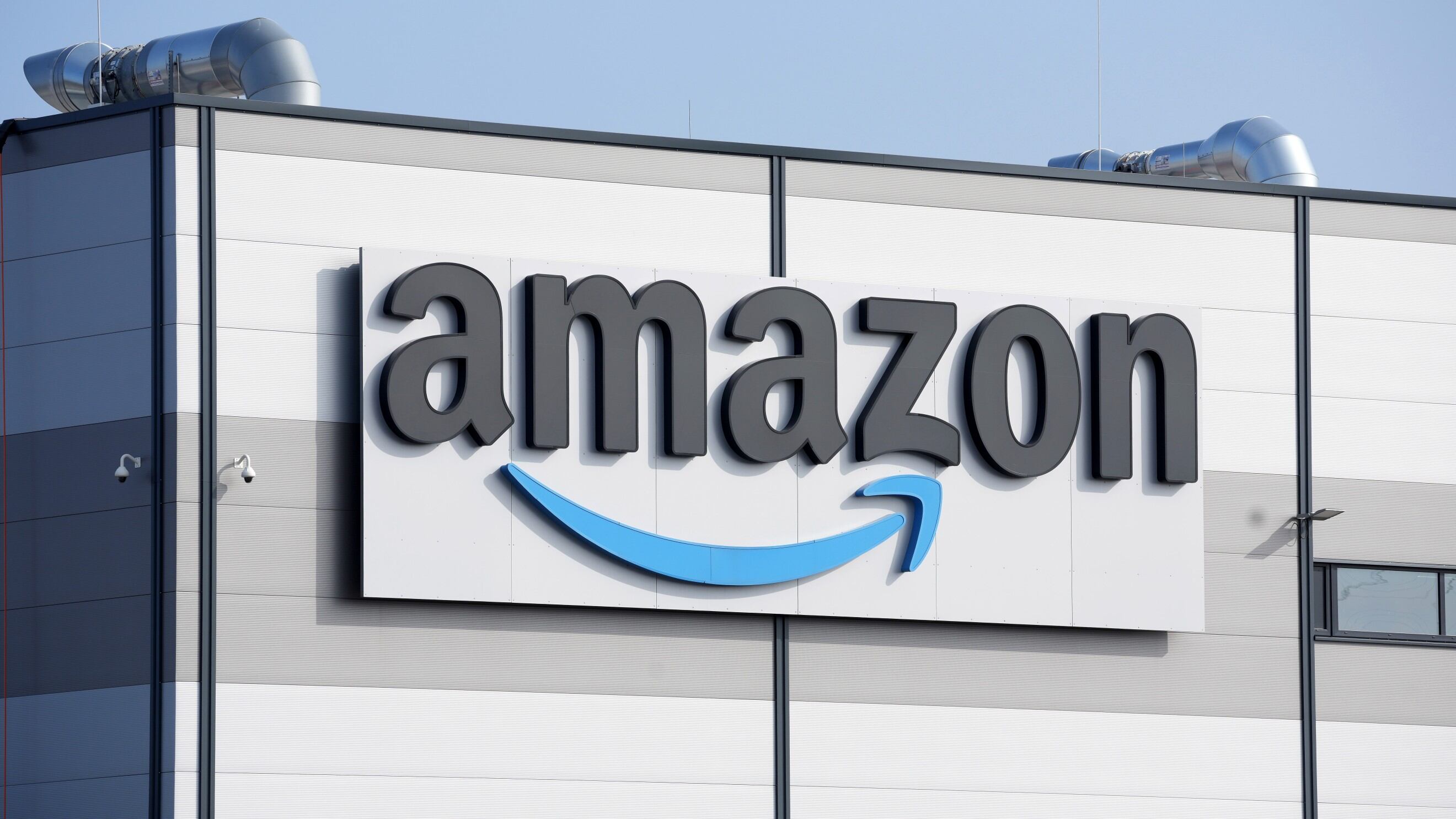
An Amazon company logo marks the facade of a building in Schoenefeld near Berlin, March 18, 2022. (AP Photo/Michael Sohn, File)
Amazon is taking another shot at becoming a regular health care source for customers with the launch of a service centered on virtual care.
The e-commerce giant says its Prime customers can now get quick access to a health care provider through a program that costs $9 a month or $99 annually.
The company has made a number of attempts to incorporate healthcare into its platform and has started building momentum after some initial setbacks.
The company announced in August that it was adding video telemedicine visits in all 50 states to a virtual clinic it launched last year.
Yet Amazon shut down a virtual health care service last year that it spent years developing, and it was part of a high-profile but failed push to address health care costs in a partnership with two other major companies, Berkshire Hathaway and JPMorgan.
Through the new service, patients will be able to connect virtually around the clock with care providers through its Prime One Medical membership program. The service includes video chats and an option to make in-person visits if there are One Medical locations near by.
The company said Wednesday that its membership fee covers the cost for the virtual visits. But customers would have to pay for any visits they make to the company’s One Medical primary care offices. They can use insurance for that.
Virtual care grew popular during the COVID-19 pandemic, and many health care providers have since expanded their telemedicine offerings. It has remained popular as a convenient way to check in with a doctor or deal with relatively minor health issues like pink eye.
While virtual visits can improve access to help, some doctors worry that they also lead to care fragmentation and can make it harder to track a patient’s overall health. That could happen if a patient has a regular doctor who doesn’t learn about the virtual visit from another provider.
Updated November 9, 2023 at 4:46 p.m. ET to add missing word in the seventh paragraph and correct "last summer" to "last year" in sixth paragraph.
If you're planning to host Thanksgiving dinner this year, be prepared to shell out more cash for your bird. Kristin Myers, Editor-in-Chief at The Balance, joined Cheddar to talk about the rising cost of food due to a number of factors like drought, inflation, and supply chain issues. She noted that families can expect to pay 21 percent more for their holiday meal compared to last year.
John Jannarone, Editor-in-Chief at IPOEdge.com, joined "Wake Up With Cheddar" to talk about Sweetgreen's monster first day of trading and whether or not the company is being overvalued. "It takes a long time for a company of this kind to prove its track record, and they haven't done it yet," he said. He noted that the company is worth more than Shake Shack at its current market cap.
Jill and Carlo are back to cover the latest in the Rittenhouse trial, new information on the origins of Covid, return-to-office and more.
JOIN US FOR THE YOUTUBE WATCH PARTY @ 9aET: http://www.youtube.com/cheddarnow
Roundhill Investments is investing in the metaverse, and it wants consumers to as well. The firm launched a metaverse exchange-trade fund called Meta back in June - the first ETF in the U.S. targeting investments in the next era of the internet. The fund's launch came months before the company formerly known as Facebook changed its name to Meta Platforms. Since the launch of Roundhill Investments' Meta ETF, it has grown significantly, reaching $500 million in assets. Roundhill Investments Vice President Mario Stefanidis joined Cheddar News to discuss.
The U.S. Justice Department has filed a lawsuit against Uber after it was discovered that disabled people were being disproportionately affected by extra “wait time” fees. Attorney Jonathan Bell joined Cheddar to discuss.
Things are expensive: both the important and the not-so-important stuff. October saw the largest year-to-year increase in the consumer price index in over 30 years. Inflation remains a top concern for the average American consumer as some stress over the price of everyday essentials like milk, beef, and gasoline.
But that doesn't seem to be affecting overall retail shopping.
U.S. retail sales rose by 1.7% in October, a sign that consumers are willing to spend more heading into the holidays despite rising inflation. The elevated spending levels suggest solid holiday sales this month and next. On top of that, major retailers like Target and Walmart have come out this week and said they're set to be fully stocked for the holiday season, easing any concerns customers might have about supply chain issues leaving empty shelves before the holidays.
Brittain Ladd, retail strategist and consultant, joins None of the Above to discuss.