In September 2019, Amazon pledged to become carbon neutral by 2040. Now the e-commerce giant is launching a $2 billion venture capital fund to help make that goal a reality.
The Climate Pledge Fund will invest in technology companies working to combat climate change in the transportation, logistics, and storage industries.
"We're looking to invest in products and solutions that help us to decarbonize and that really have an impact on our quick evolution to a low-carbon economy," Kara Hurst, head of sustainability at Amazon, told Cheddar.
At the same time, the company released an annual sustainability report showing a 15 percent increase in carbon dioxide emissions in 2019.
However, the report also announced that the company is on a path to run on 100 percent renewable energy by 2025, which is five years ahead of schedule.
Hurst maintains that "e-commerce is inherently more sustainable" than other consumer options, and that expanding Amazon's warehouse and distribution network into local markets will help cut down carbon emissions for individual orders.
"We're looking at all the ways that we can place products closer to our customers and continue to drive down carbon that way," she said.
One area where Amazon is already working to balance higher business volume with sustainable goals is in packaging. Since 2015, the company has reduced packaging weight by 33 percent and cut more than 880,000 tons of packaging material, equalling roughly 1.5 billion shipping boxes.
"We have been on this path for a long time, and will continue to be on the path," Hurst said.
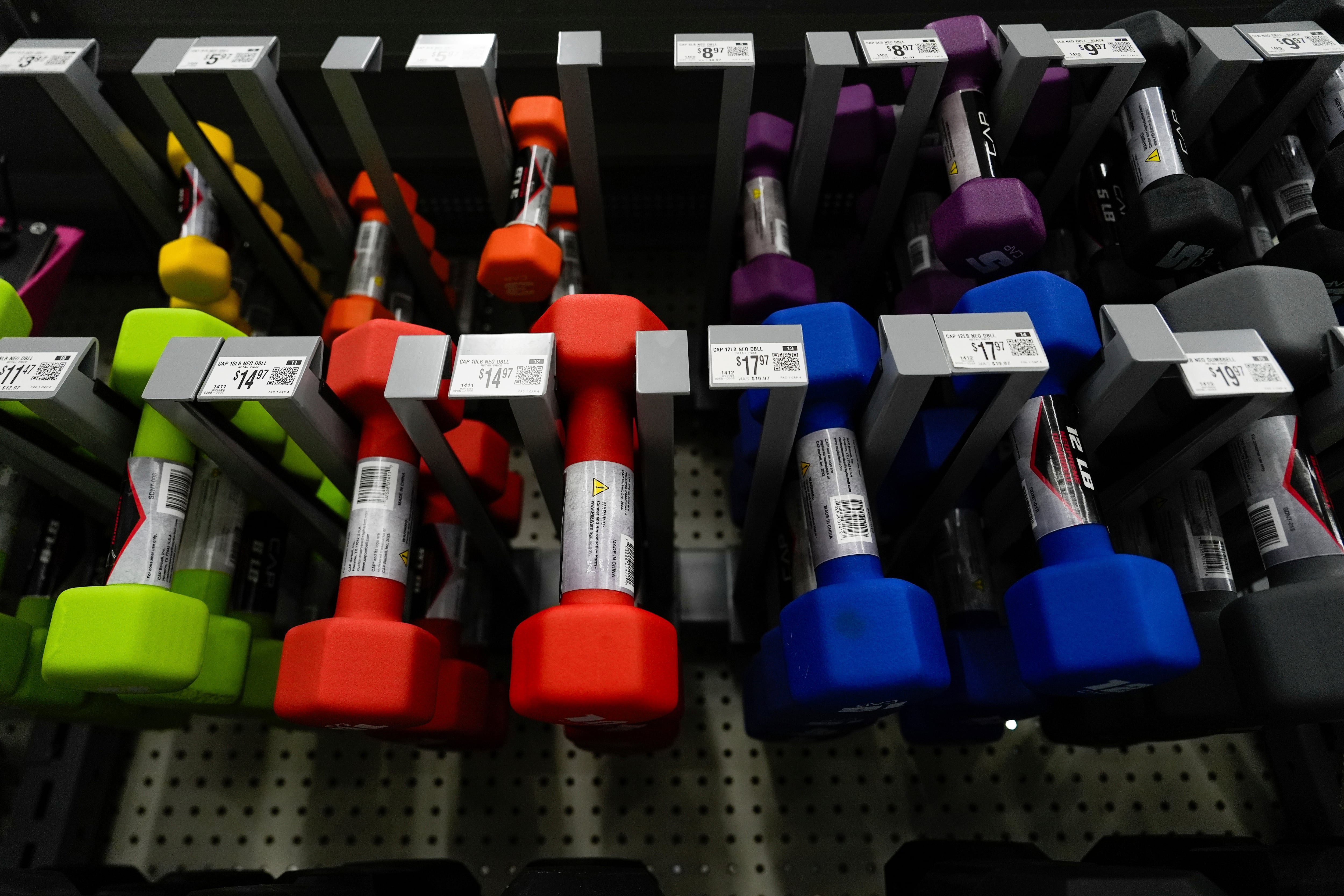
Walmart, which became the nation’s largest retailer by making low prices a priority, has found itself in a place it’s rarely been: Warning customers that prices will rise for goods ranging from bananas to car seats.
Chris Beauchamp, Chief Market Analyst at IG International, joins J.D. Durkin to give analysis on the recent trade truce between the U.S. and China. Watch!
Shan Aggarwal, VP of Corporate and Business Development at Coinbase, discusses the company's acquisitio of Deribit as it heads into the S&P 500. Watch!
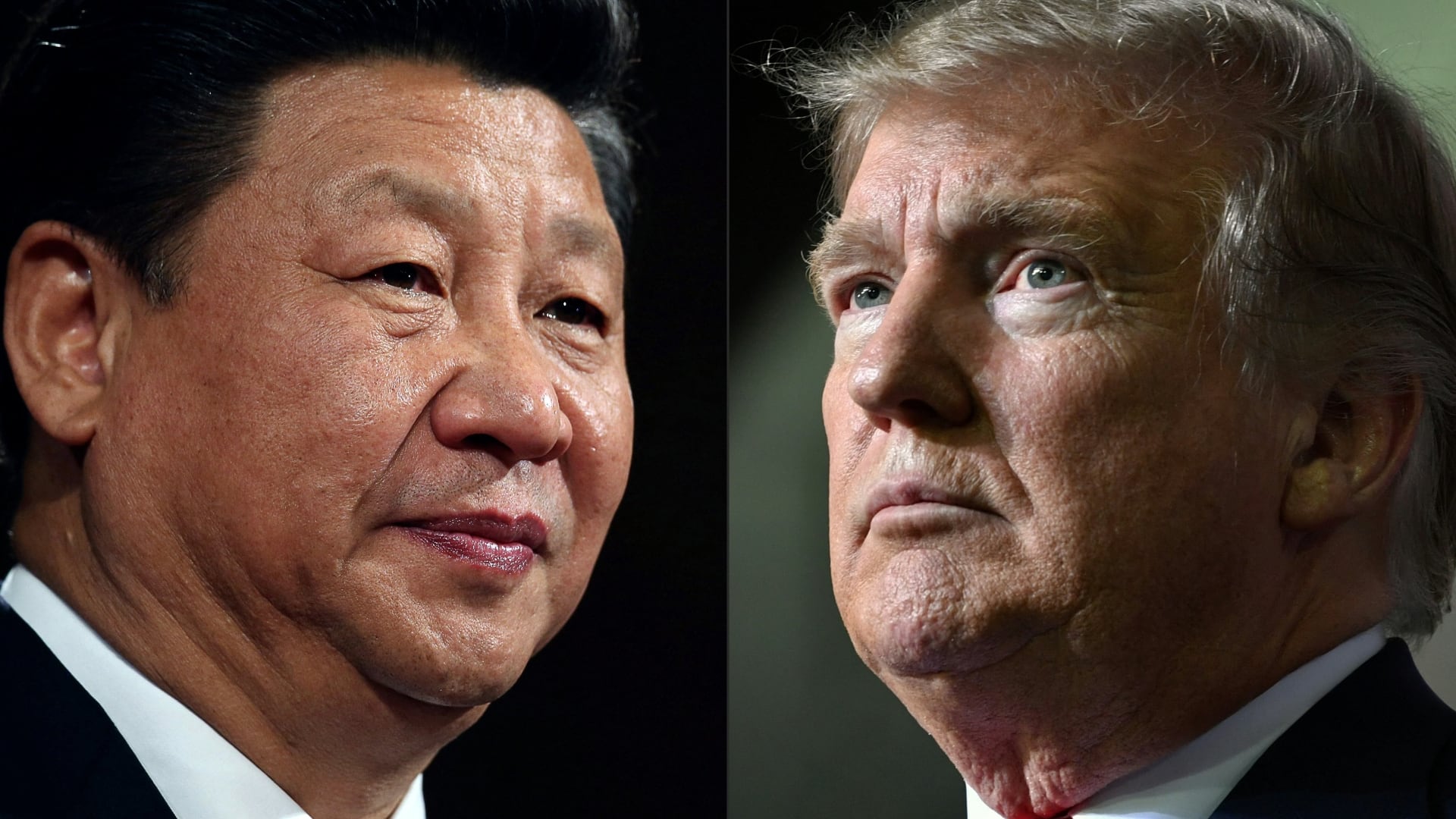
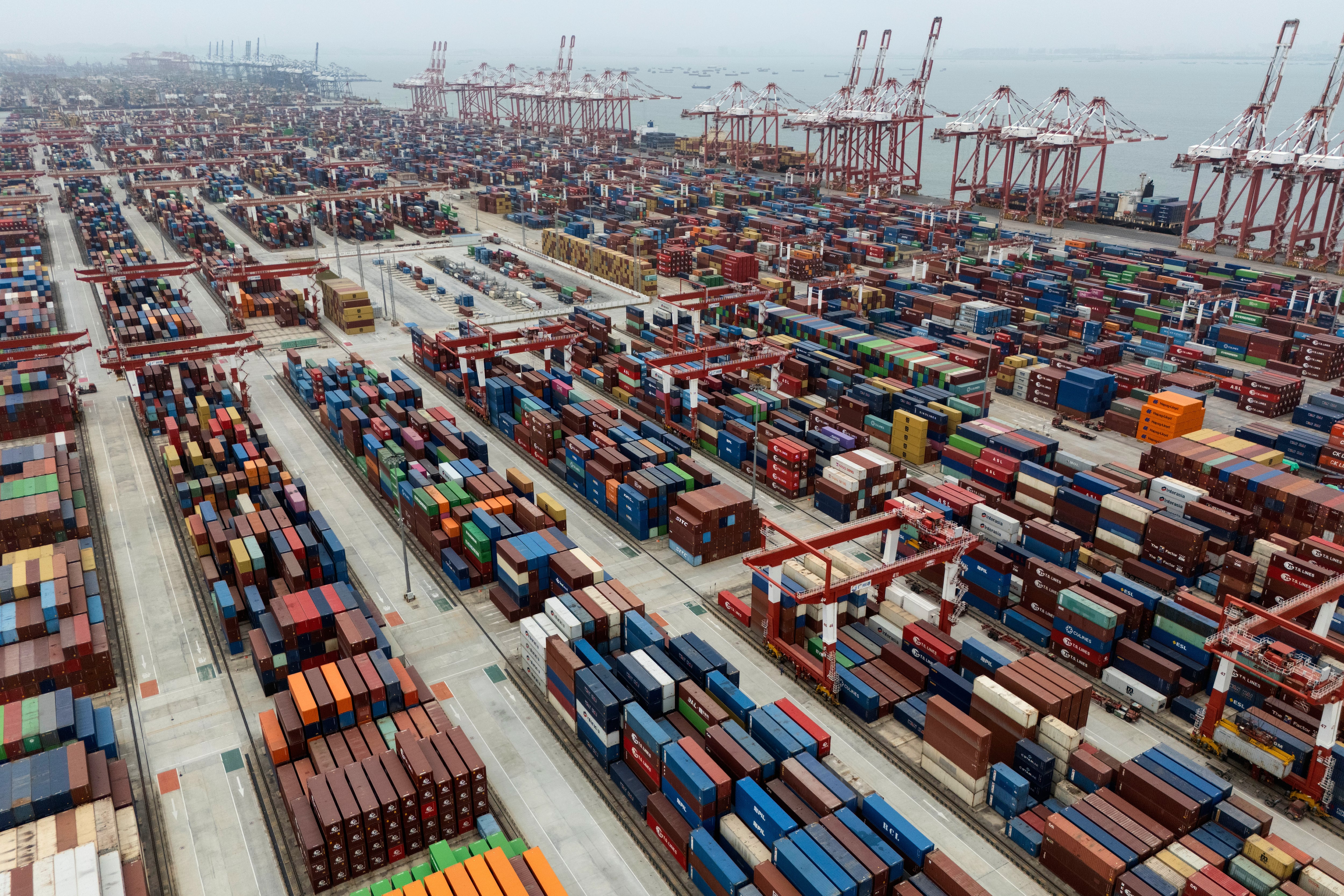
American businesses that rely on Chinese goods are reacting with muted relief after the U.S. and China agreed to pause their exorbitant tariffs on each other’s products for 90 days. Many companies delayed or canceled orders after President Donald Trump last month put a 145% tariff on items made in China. Importers still face relatively high tariffs, however, as well as uncertainty over what will happen in the coming weeks and months. The temporary truce was announced as retailers and their suppliers are looking to finalize their plans and orders for the holiday shopping season. They’re concerned a mad scramble to get goods onto ships will lead to bottlenecks and increased shipping costs.
Shopping expert Trae Bodge discusses how talks between the U.S. and China is good news for now, but uncertainty remains for back-to-school and the holidays.
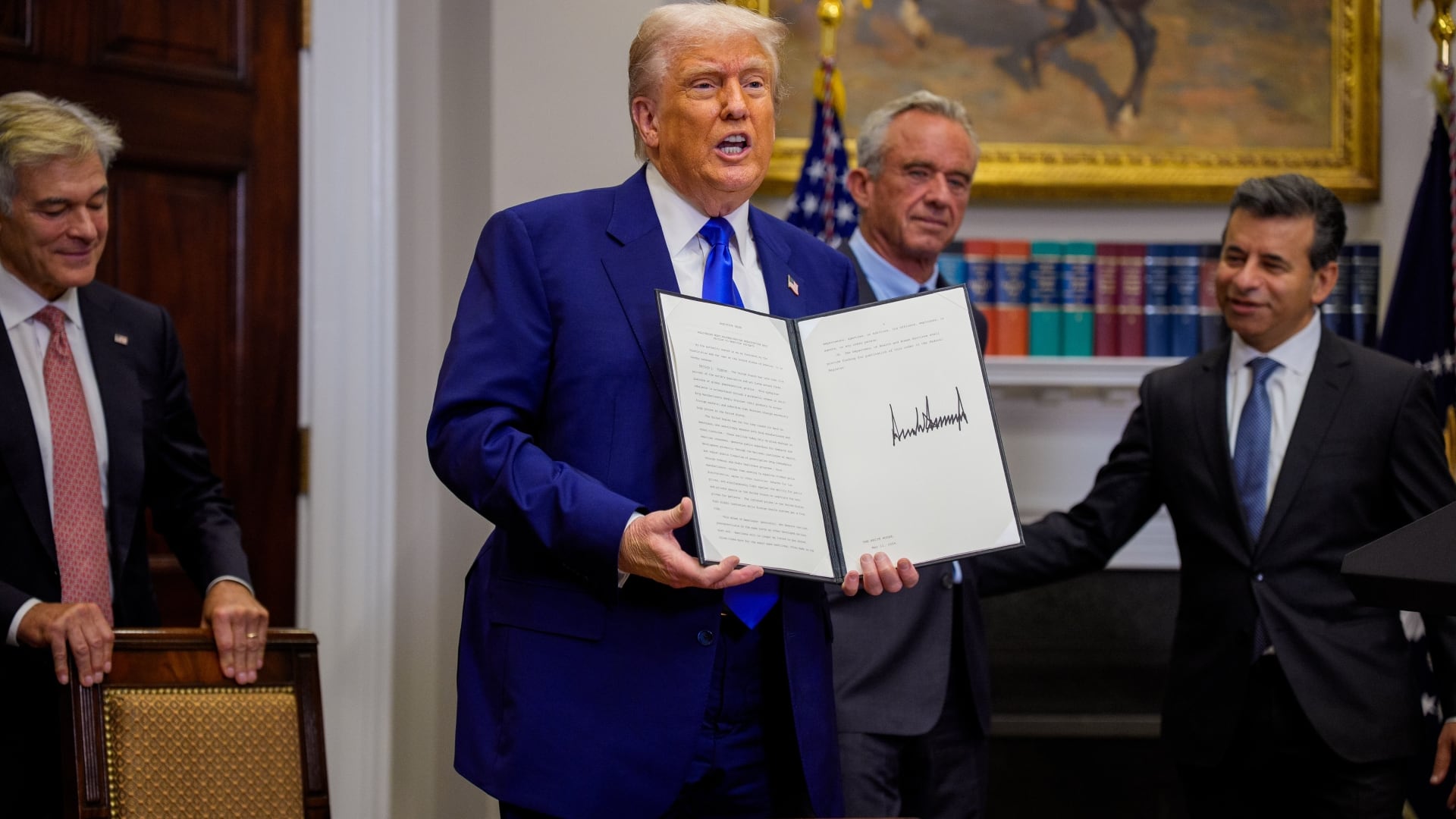
Jake Traylor, White House reporter at Politico, joins Cheddar to discuss how Trump is aiming to lower drug prices and how it differs from Biden's approach.