By Matthew Perrone

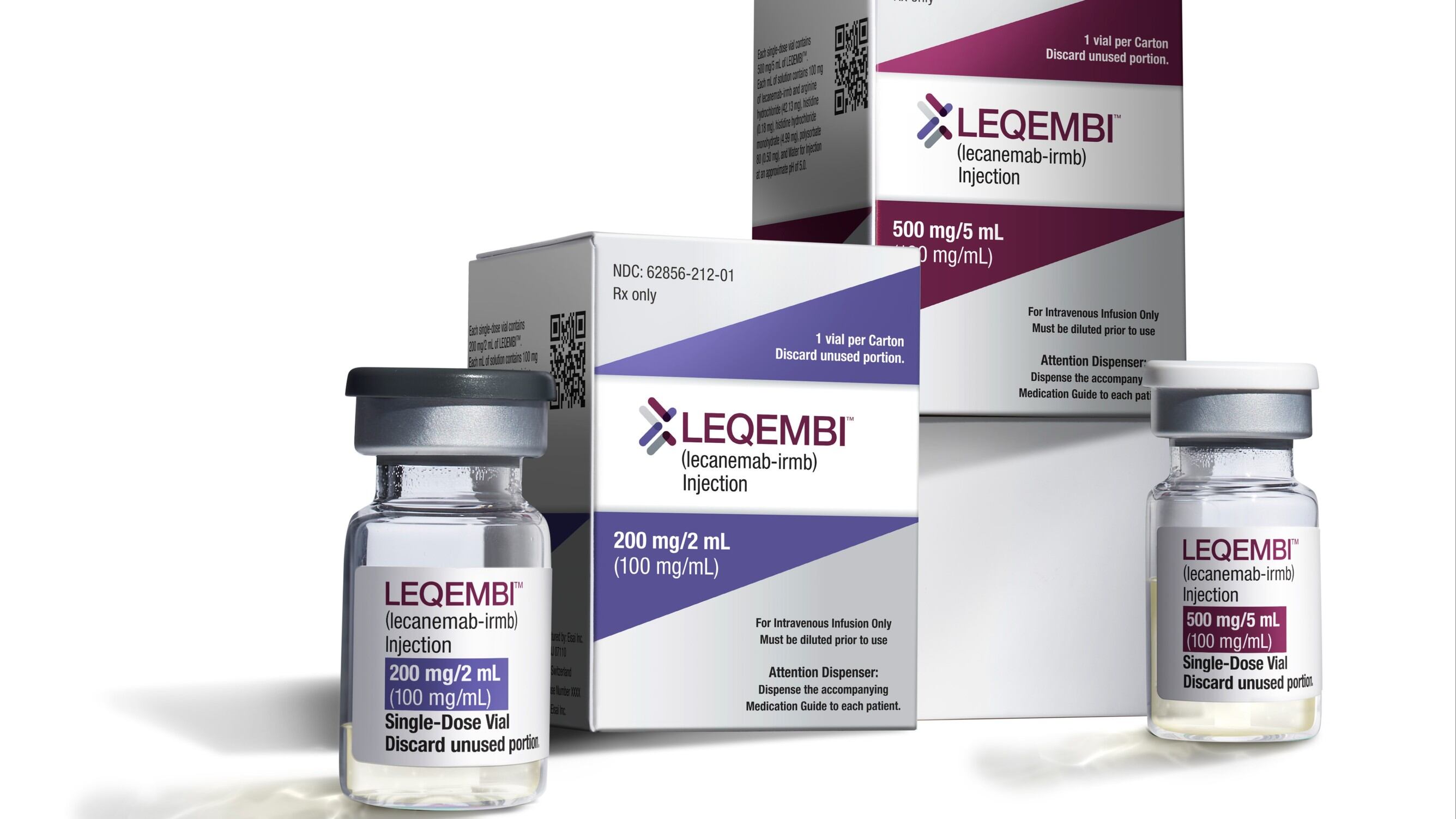
U.S. officials granted full approval to a closely watched Alzheimer’s drug on Thursday, clearing the way for Medicare and other insurance plans to begin covering the treatment for people with the brain-robbing disease.

The Food and Drug Administration endorsed the IV drug, Leqembi, for patients with mild dementia and other symptoms caused by early Alzheimer's disease. It’s the first medicine that’s been convincingly shown to modestly slow Alzheimer’s cognitive decline.

Japanese drugmaker Eisai received conditional approval from the FDA in January based on early results suggesting Leqembi worked by clearing a sticky brain plaque linked to the disease.

The FDA confirmed those results by reviewing data from a larger, 1,800-patient study in which the drug slowed memory and thinking decline by about five months in those who got the treatment, compared to those who got a dummy drug.

“This confirmatory study verified that it is a safe and effective treatment for patients with Alzheimer’s disease," said FDA's neurology drug director, Teresa Buracchio, in a statement.

The drug's prescribing information will carry the most serious type of warning, indicating that Leqembi can cause brain swelling and bleeding, side effects that can be dangerous in rare cases. The label notes that those problems are seen with other plaque-targeting Alzheimer's drugs.

The process of converting a drug to full FDA approval usually attracts little attention. But Alzheimer’s patients and advocates have been lobbying the federal government for months after Medicare officials announced last year they wouldn’t pay for routine use of Leqembi until it received FDA’s full approval.

There were concerns that the cost of new plaque-targeting Alzheimer's drugs like Leqembi could overwhelm the program's finances, which provide care for 60 million seniors. Leqembi is priced at about $26,500 for a year’s supply of IVs every two weeks.

The vast majority of Americans with Alzheimer’s get their health coverage through Medicare. And private insurers have followed its lead by withholding coverage for Leqembi and a similar drug, Aduhelm, until they receive FDA's full endorsement. An FDA decision on full approval for Aduhelm is still years away.

Medicare administrator, Chiquita Brooks-LaSure, has made clear the program will immediately begin paying for the drug now that it has full FDA approval. But the government is also setting extra requirements.

Medicare recipients getting Leqembi must be enrolled in a federal registry to track the drug's real-world safety and effectiveness. The information will help advance “knowledge of how these drugs can potentially help people,” Medicare officials said.

Hospitals and medical clinics have also cautioned that it may take time to get people started on the drug.

Doctors need to confirm that patients have the brain plaque targeted by Leqembi before prescribing it. Nurses need to be trained to administer the drug and patients must be monitored with repeated brain scans to check for swelling or bleeding. The imaging and administration services carry extra costs for hospitals beyond the drug itself.

Eisai has told investors that about 100,000 Americans could be diagnosed and eligible to receive Leqembi by 2026. The drug is co-marketed with Cambridge, Massachusetts-based Biogen.

“We want to ensure that appropriate patients only are the ones that get this product,” said Alexander Scott, a vice president with Eisai.

Eisai studied the drug in people with early or mild disease who were evaluated using a scale measuring memory, thinking and other basic skills. After 18 months, those who got Leqembi declined more slowly — a difference of less than half a point on the scale — than participants who received a dummy infusion. Some Alzheimer's experts say that delay is likely too subtle for patients or their families to notice.

But federal health advisers said the difference could still be meaningful and recommended that FDA fully approve the drug at a public meeting in June.

The Associated Press Health and Science Department receives support from the Howard Hughes Medical Institute’s Science and Educational Media Group. The AP is solely responsible for all content.
Share:
More In Science
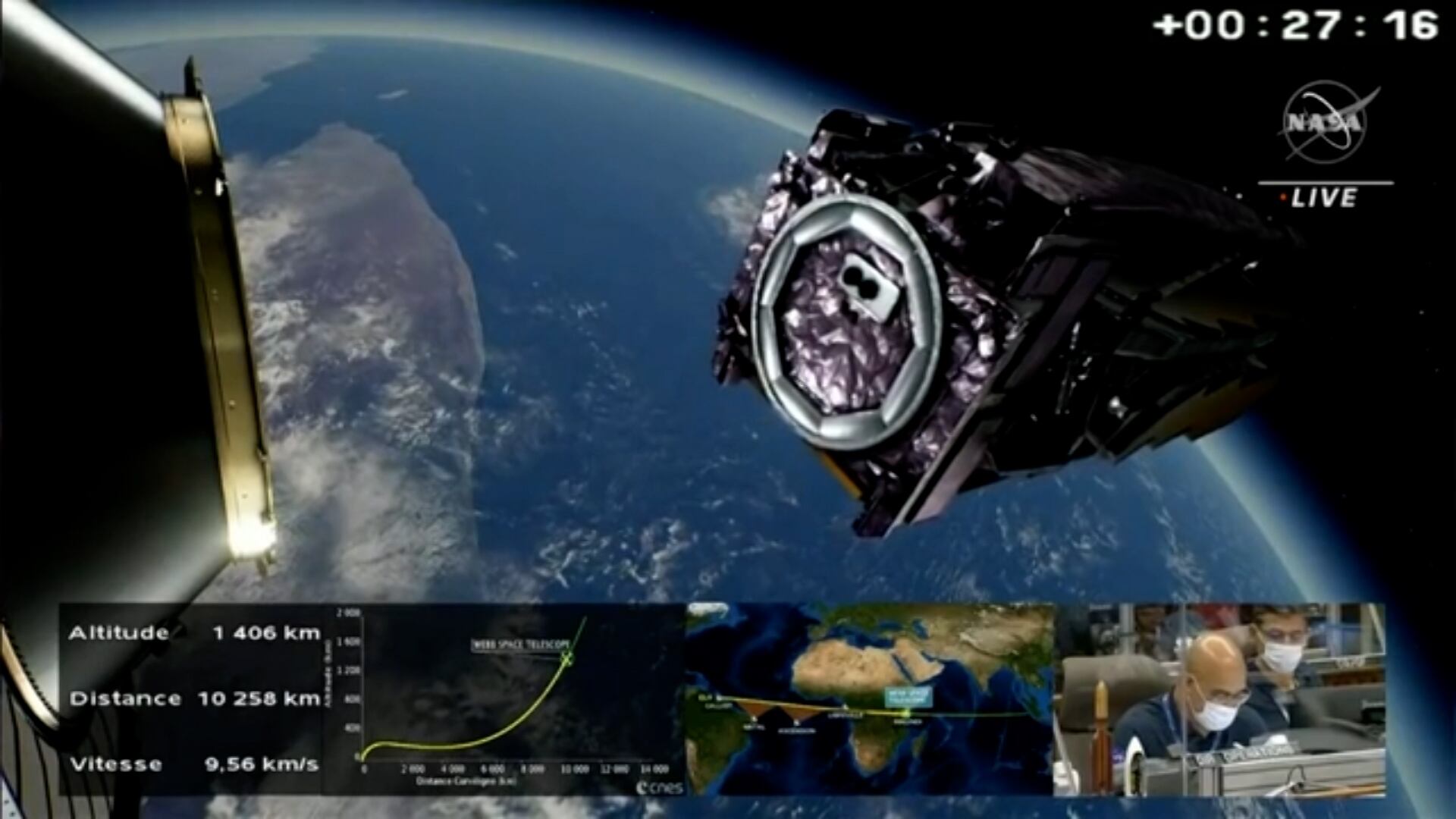
The Space Race In 2022
2021 was an exciting year for space innovations, but 2022 could hold even more in store. Cheddar took a deep dive into the space mission on tap for the year ahead.
U.S. Purchases 600K Doses of New Antibody Treatment Amid Omicron Surge
The United States purchased over 600,000 doses of a monoclonal antibody treatment from Glaxosmithkline and Vir Biotechnology, bringing the total worldwide doses purchased to 1.7 million. This comes as the country attempts to ramp up treatment options as cases of the omicron variant continue to surge. Dr. Asha Shah, Director of Infectious Diseases at Stamford Health joined Cheddar's Opening Bell to discuss.
2021: A Rebound of the Economy and Greenhouse Gas Emissions
As the pandemic slammed the brakes on the nation's economy in 2020, America's greenhouse gas emissions reached their lowest levels in at least three decades. However, as the world, and the economy re-opened, 2021 told a much different story as emissions surged. Biden's flagship 'Build Back Better' act involves billions in spending on electric cars and renewables, in an effort to cut U.S. emissions, experts are still skeptical that the nation will meet the current 2030 target. Andrew Dessler, professor of atmospheric sciences at Texas A&M University, joins Cheddar News.
Experts Debate Throat vs. Nasal Swabs for Omicron Testing
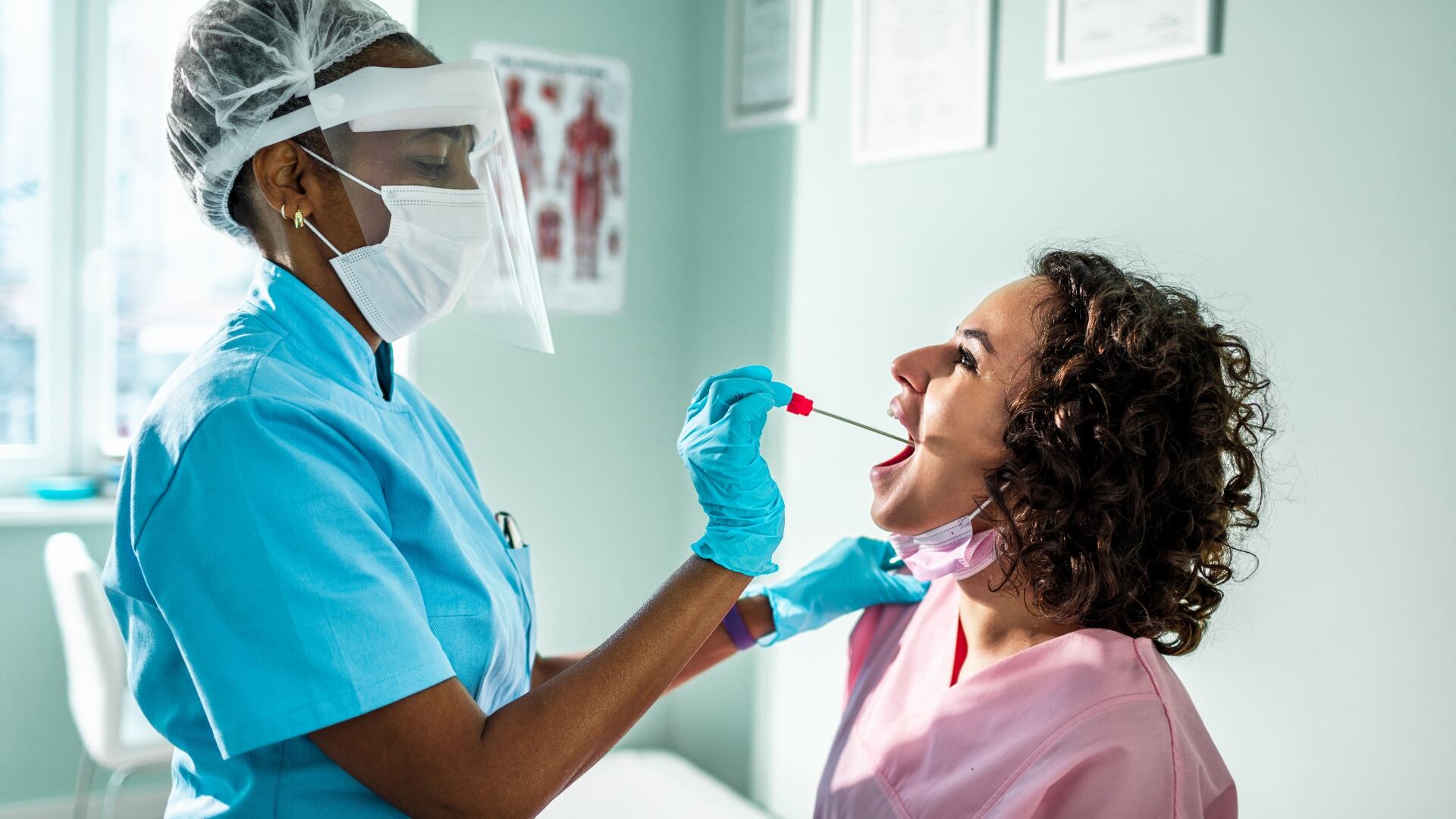
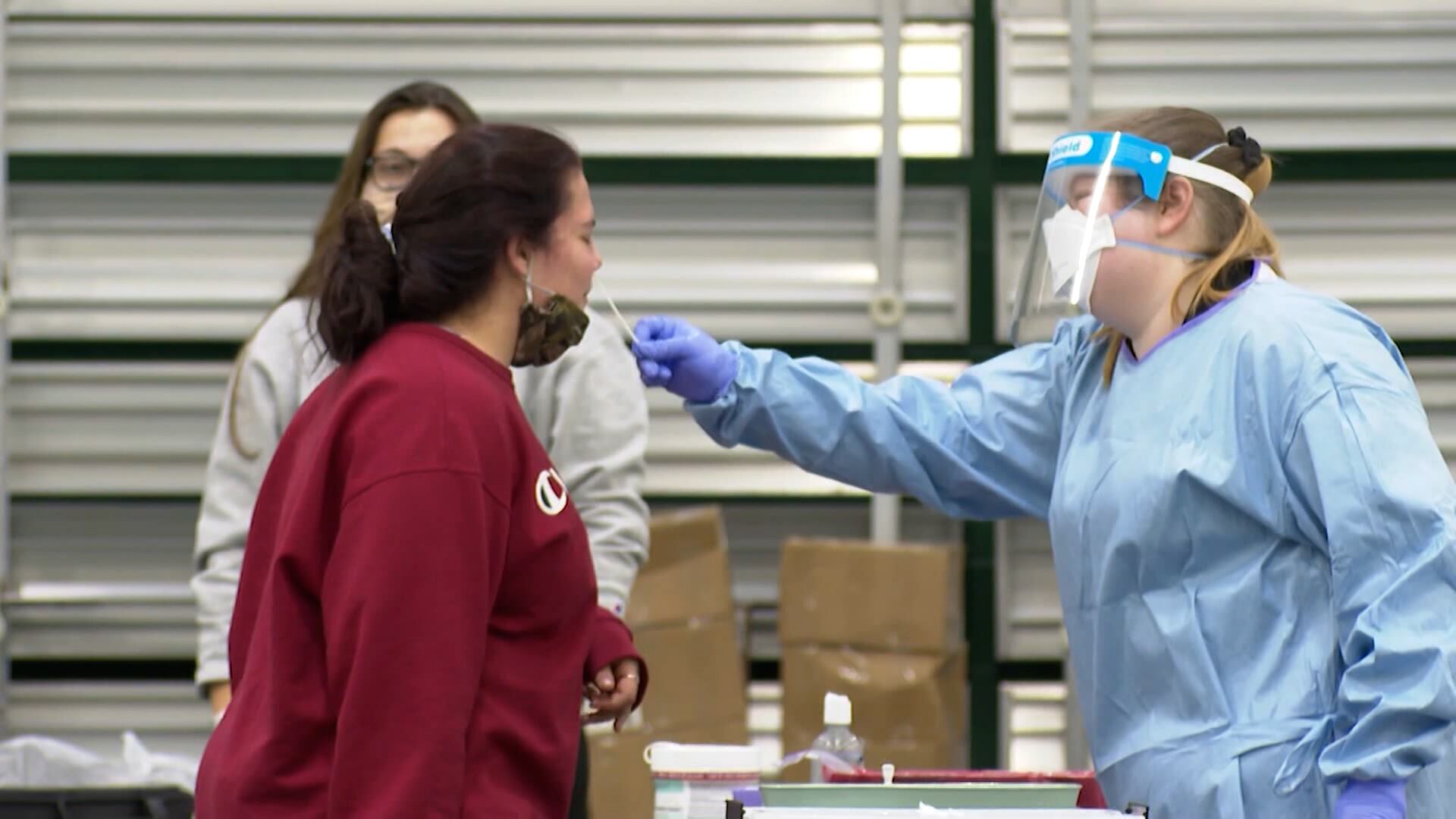
Amid the omicron surge, a new debate has emerged about whether or not throat swabs are more effective than nasal swabs for COVID testing. Dr. William Schaffner, MD, professor of infectious diseases, Vanderbilt Medical Center, sat down with Cheddar's News Wrap to weigh in on the dispute. "Should there be a change? You've got to do the studies, show that in the field [a throat swab] works as well or better than the nasal specimen," he said. "Let's not do it off our hips, as we say."
State of Emergency Declared in Virginia, as Multiple States Face Extreme Winter Weather
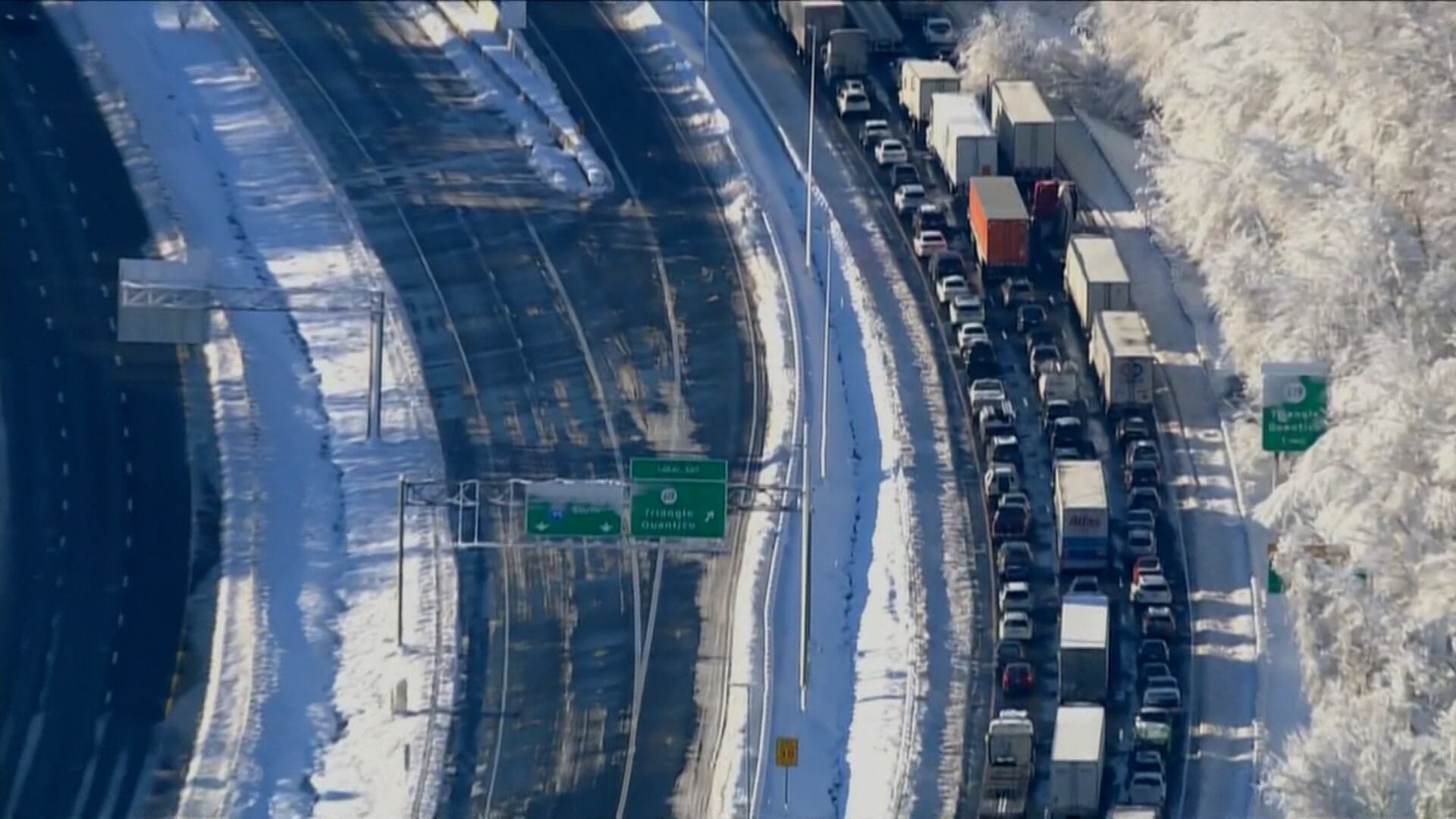
Virginia Governor Ralph Northam is declaring a state of emergency after Monday's winter storm left hundreds of drivers stranded on the interstate for more than 24 hours. The snow also knocked out power for many residents, with more than 100,000 outages remaining days later. Michael Wehner, a climate scientist at Lawrence Berkeley national laboratory, discusses recent weather disasters.
Walmart and Kroger Raise At-Home Covid Test Prices
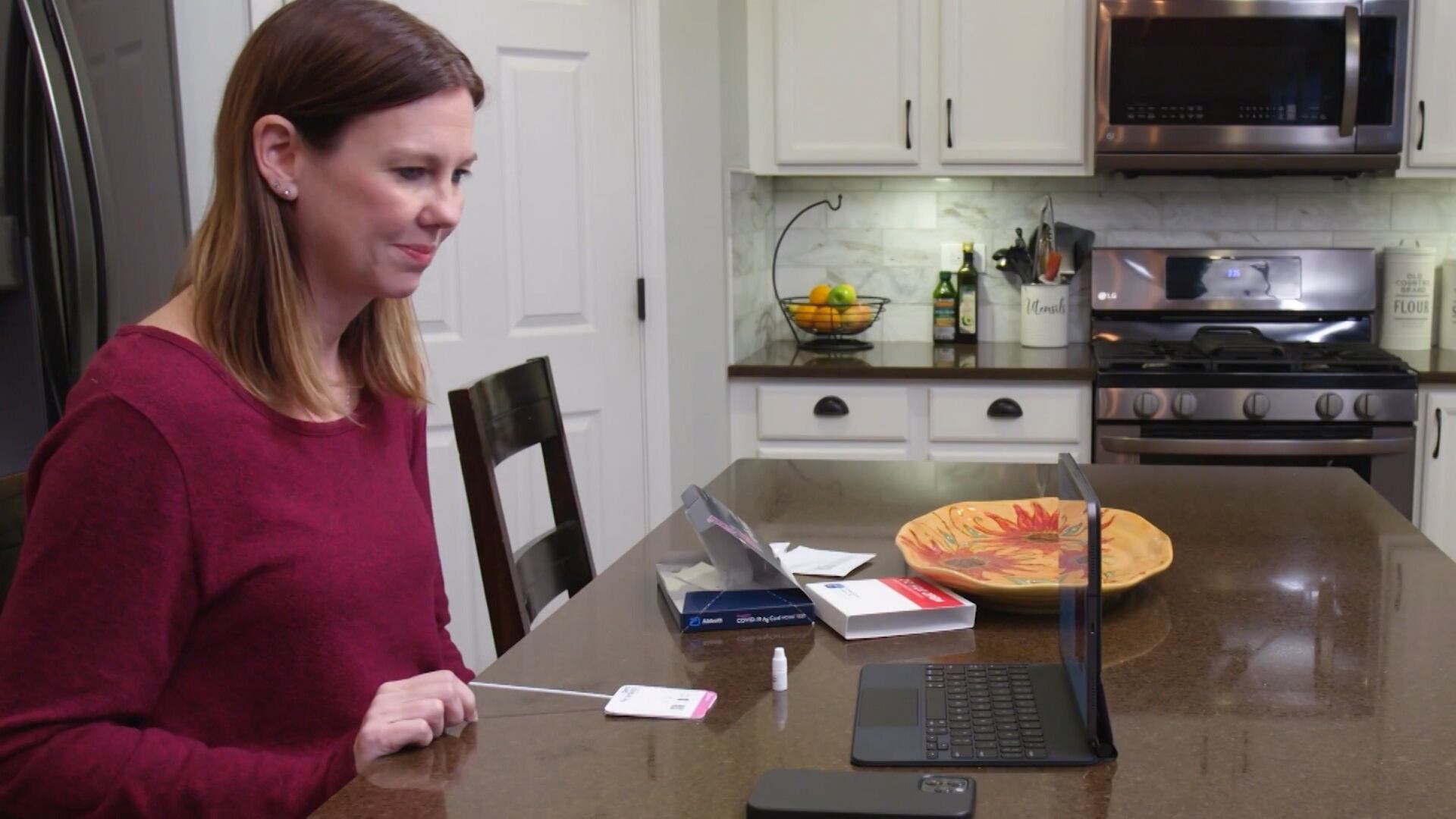
As the need for COVID-19 testing increases, so does the price of the tests themselves. An agreement with The White House and several major companies to sell the tests at a lower cost has now expired, sending prices up as retailers struggle to keep kits on shelves. Dr. Thomas McGinn, executive VP of physician enterprise at Common Spirit Health, joins Cheddar News to discuss.
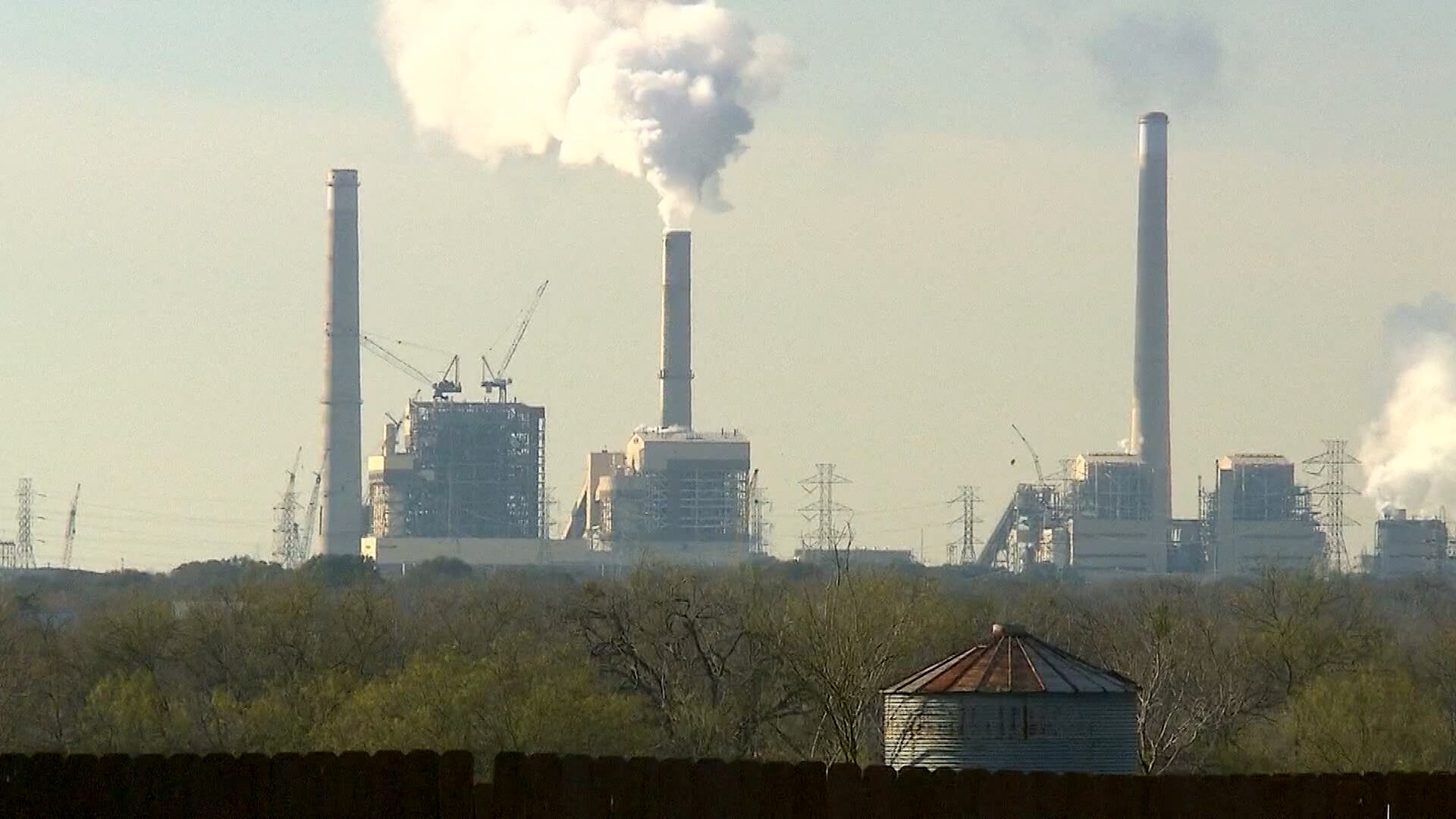
Emission Surge Puts U.S. Further Off Track from Climate Targets
A new report shows 2021 saw a surge in U.S. greenhouse gas emissions, indicating that the country remains far off track from meeting President Biden's climate change targets. Biden previously pledged to cut the nation's emissions in half by 2030, and now experts warn that immediate action must be taken in order to get the nation back on track. Zeke Hausfather, director of climate and energy at The Breakthrough Institute on U.S. Emissions and Global Temperatures, joins Cheddar News to discuss.
Toyota's Chief Scientist on Importance of Diversifying EV Fleets, Including Hybrid Models
Electric vehicles are quickly becoming an accessible way for consumers to slash emissions as legacy automakers begin to electrify their fleets and world leaders including President Joe Biden push for broad EV adoption. But consumers have concerns about EV range, the availability of charging stations, and more. What if it were both helpful to consumers — and feasible from a climate change standpoint — to keep hybrid models that run on gas on the market? Gill Pratt, CEO of the Toyota Research Institute & Toyota Motor Corporation's Chief Scientist joins Cheddar Climate to discuss his team's research about 'carbon return on investment,' how Toyota is electrifying its fleet, and more.
Major Cold Snap Settles Across Much of the U.S.
It's a painfully cold week across a large portion of the U.S. with more than 185 million Americans experiencing below-freezing temperatures on Monday and 10 million of them dealing with dangerous sub-zero temps.
Load More