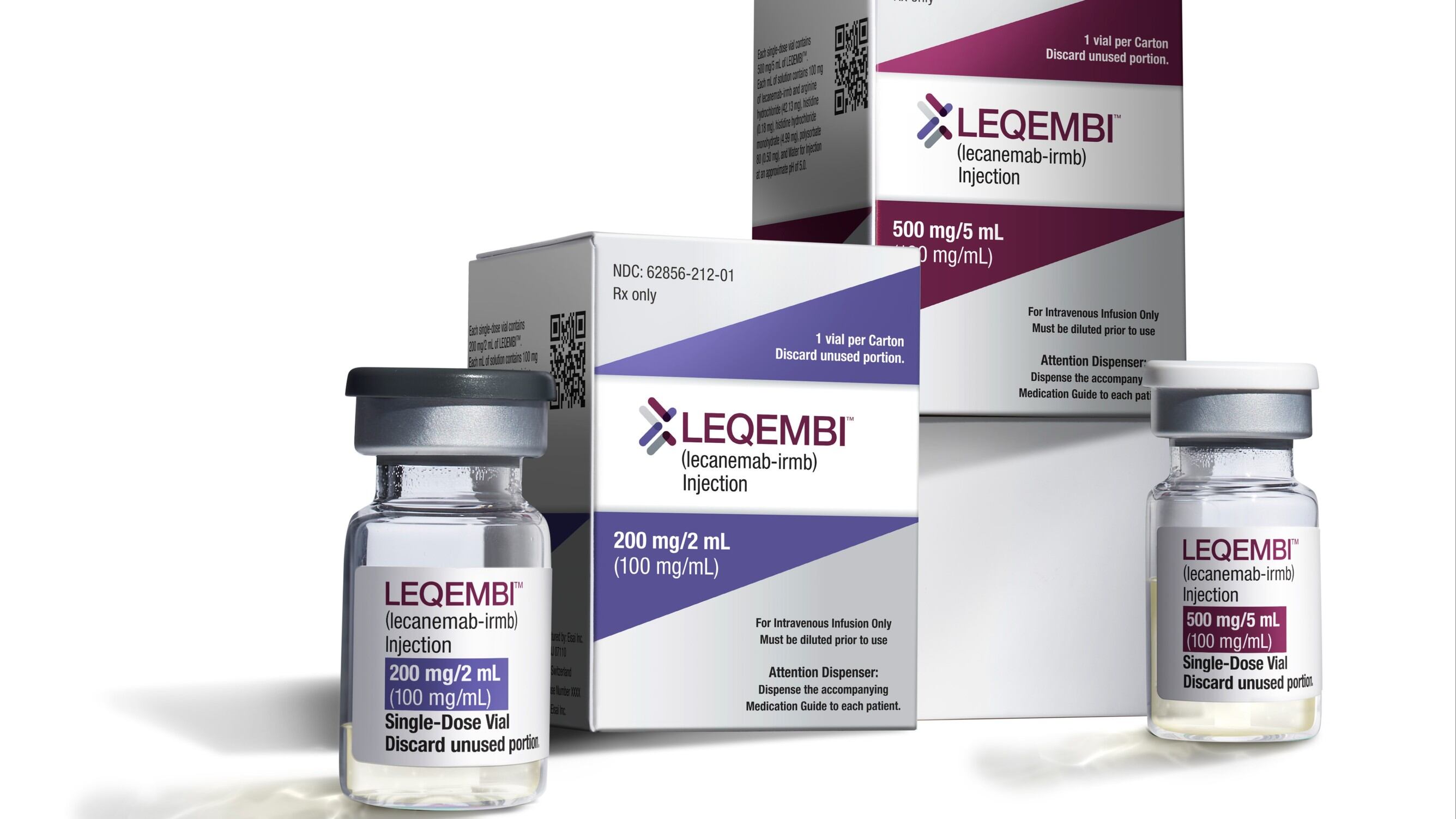
This image provided by Eisai in January 2023 shows vials and packaging for their medication, Leqembi. On Thursday, July 6, 2023, U.S. officials granted full approval to the closely watched Alzheimer’s drug, clearing the way for Medicare and other insurance plans to begin covering the treatment for people with the brain-robbing disease. (Eisai via AP, File)
By Matthew Perrone
U.S. officials granted full approval to a closely watched Alzheimer’s drug on Thursday, clearing the way for Medicare and other insurance plans to begin covering the treatment for people with the brain-robbing disease.
The Food and Drug Administration endorsed the IV drug, Leqembi, for patients with mild dementia and other symptoms caused by early Alzheimer's disease. It’s the first medicine that’s been convincingly shown to modestly slow Alzheimer’s cognitive decline.
Japanese drugmaker Eisai received conditional approval from the FDA in January based on early results suggesting Leqembi worked by clearing a sticky brain plaque linked to the disease.
The FDA confirmed those results by reviewing data from a larger, 1,800-patient study in which the drug slowed memory and thinking decline by about five months in those who got the treatment, compared to those who got a dummy drug.
“This confirmatory study verified that it is a safe and effective treatment for patients with Alzheimer’s disease," said FDA's neurology drug director, Teresa Buracchio, in a statement.
The drug's prescribing information will carry the most serious type of warning, indicating that Leqembi can cause brain swelling and bleeding, side effects that can be dangerous in rare cases. The label notes that those problems are seen with other plaque-targeting Alzheimer's drugs.
The process of converting a drug to full FDA approval usually attracts little attention. But Alzheimer’s patients and advocates have been lobbying the federal government for months after Medicare officials announced last year they wouldn’t pay for routine use of Leqembi until it received FDA’s full approval.
There were concerns that the cost of new plaque-targeting Alzheimer's drugs like Leqembi could overwhelm the program's finances, which provide care for 60 million seniors. Leqembi is priced at about $26,500 for a year’s supply of IVs every two weeks.
The vast majority of Americans with Alzheimer’s get their health coverage through Medicare. And private insurers have followed its lead by withholding coverage for Leqembi and a similar drug, Aduhelm, until they receive FDA's full endorsement. An FDA decision on full approval for Aduhelm is still years away.
Medicare administrator, Chiquita Brooks-LaSure, has made clear the program will immediately begin paying for the drug now that it has full FDA approval. But the government is also setting extra requirements.
Medicare recipients getting Leqembi must be enrolled in a federal registry to track the drug's real-world safety and effectiveness. The information will help advance “knowledge of how these drugs can potentially help people,” Medicare officials said.
Hospitals and medical clinics have also cautioned that it may take time to get people started on the drug.
Doctors need to confirm that patients have the brain plaque targeted by Leqembi before prescribing it. Nurses need to be trained to administer the drug and patients must be monitored with repeated brain scans to check for swelling or bleeding. The imaging and administration services carry extra costs for hospitals beyond the drug itself.
Eisai has told investors that about 100,000 Americans could be diagnosed and eligible to receive Leqembi by 2026. The drug is co-marketed with Cambridge, Massachusetts-based Biogen.
“We want to ensure that appropriate patients only are the ones that get this product,” said Alexander Scott, a vice president with Eisai.
Eisai studied the drug in people with early or mild disease who were evaluated using a scale measuring memory, thinking and other basic skills. After 18 months, those who got Leqembi declined more slowly — a difference of less than half a point on the scale — than participants who received a dummy infusion. Some Alzheimer's experts say that delay is likely too subtle for patients or their families to notice.
But federal health advisers said the difference could still be meaningful and recommended that FDA fully approve the drug at a public meeting in June.
The Associated Press Health and Science Department receives support from the Howard Hughes Medical Institute’s Science and Educational Media Group. The AP is solely responsible for all content.
Amazon is betting that ammonia could be the fuel of the future, participating in a Series A round for the Brooklyn-based company Amogy in December. Amogy aims to de-carbonize transportation with a clean energy system that uses ammonia as a renewable fuel. Amogy is partnering with Amazon on its first commercial product - an ammonia-powered cargo-shipping vessel. Amogy CEO Seonghoon Woo joins Cheddar Climate to discuss.
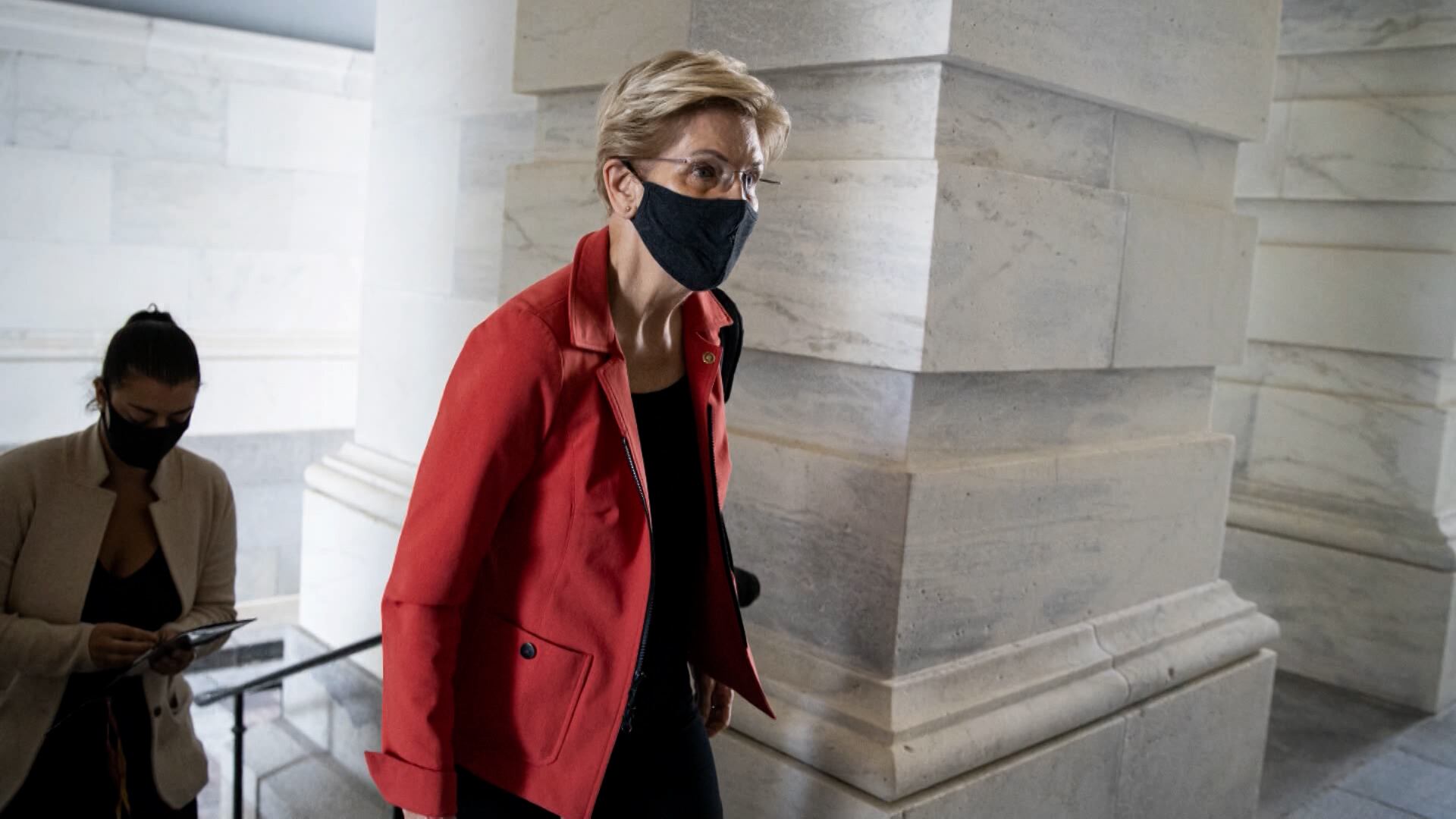
Cryptocurrency is expected to become a part of our daily lives — but what sort of environmental impact does it have? As the U.S. becomes the crypto mining capital of the world, climate advocates are worried about mining companies reopening old coal plants, using massive amounts of energy, wasteful hardware, and more. Congressional Democrats led by Senator Elizabeth Warren are demanding answers from mining firms about their electricity use and waste levels. John Belizaire, CEO of Soluna Computing, joins Cheddar Climate to discuss the congressional letters, how crypto mining can become a green industry, and more.
Driver assistance monitoring systems are meant to keep the driver's eyes on the road, but according to a report from AAA, different ways of monitoring provide significantly different results. The study found that direct camera-based systems that scanned the driver's eye movements were faster and more reliable than those indirect systems that looked at steering-wheel input. Megan McKernan, the manager of automotive services for the Automobile Club of Southern California, joined Cheddar to discuss the findings. "Triple-A is recommending that automakers include both direct and indirect systems just to really prevent consumers from trying to misuse these systems," she said, noting that neither system on its own is not foolproof.
Wave Neuroscience is a neurological health tech company that specializes in clinical and at-home personalized brain stimulation technology. Erik Won, president and chief medical officer and Fred Walke, CEO, joined Cheddar's Opening Bell to discuss their company's hopes for allowing patients to identify and treat unique brain disorders while empowering them to understand their unique neurological makeups — including for the high-stress positions of professional athletes. "We have a mobile device that provides a very light stimulation that gives them a therapy that gives them confidence so there's a just knowing that they're doing something for it," said Walke. "But it also helps them get back into a rhythm. It helps their brain synchronize around certain frequencies that that we target, and it helps them really understand that they've done everything they can to get to their highest level of success."
Democratic lawmakers are now calling on Bitcoin mining companies in the U.S. to assess how much electricity they use and how it could all potentially impact residents and the environment in the near future. Since its conception, crypto mining has been at the center of a debate. The question is: Is crypto mining playing a key role in renewable energy or could it totally derail U.S. climate goals? Host of The Wendy O show Wendy O, joined Cheddar to discuss more.
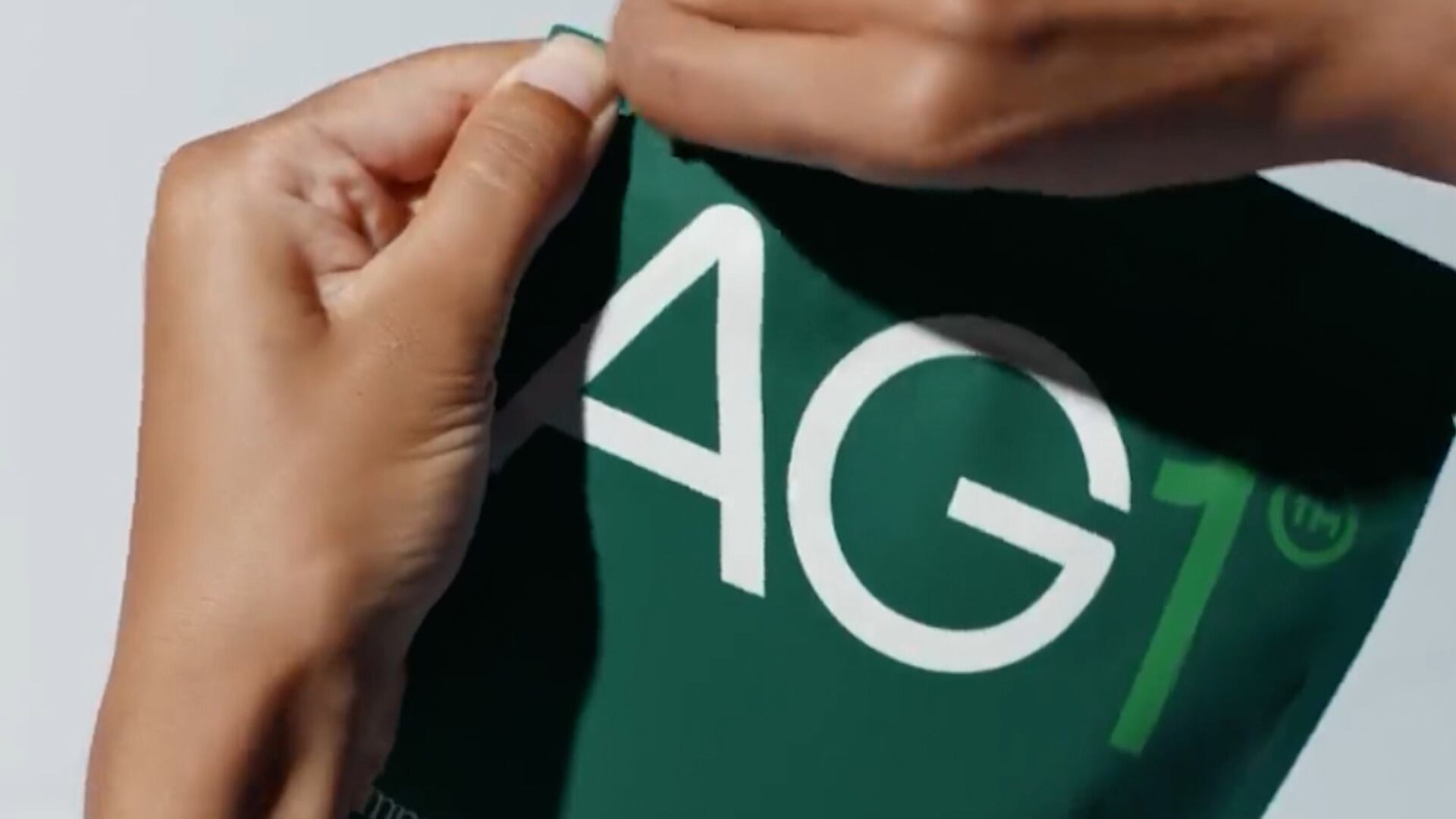
Nutritional supplement beverage company Athletic Greens has achieved unicorn status. The company announced a new $115 million funding round, bringing its valuation to $1.2 billion. The company's flagship product AG1 combines 75 different vitamins, minerals, and other nutrients into one daily serving. Athletic Greens says it is poised to reach the millions of consumers who are currently driving the health and wellness market's exponential growth. Athletic Greens founder and CEO Chris Ashenden joins Cheddar News' Closing Bell to discuss.
A powerful winter storm hit the Northeast over the weekend leaving 100,000 New Yorkers in the dark as well as snowfall up to 30.9 inches in parts of Massachusetts. The nor'easter hit with blizzard conditions of wind speed and poor visibility.