Alfonso Ribeiro's Case Over 'Fortnite' Dance Is About More Than Copyright Laws
*By Chloe Aiello*
Actor Alfonso Ribeiro's case against Epic Games for its use of "the Carlton" dance in "Fortnite" might come down to a jury's sympathy, rather than copyright technicalities, intellectual property lawyer Gaston Kroub told Cheddar on Tuesday.
"I think it's a mistake to only focus on the copyright issues, because you do have this idea where you have this right of publicity under California state law ... Could a sympathetic jury decide that these \[artists\] deserve something from 'Fortnite'? That's something that remains to be seen," said Kroub, a partner at Kroub, Silbersher & Kolmykov.
Ribeiro, who rose to fame playing Carlton on "The Fresh Prince of Bel Air," is suing Epic and Take-Two Interactive, the maker of "NBA 2K." Both use "the Carlton" step that Ribeiro made famous on the show as an "emote," a celebratory dance that can be purchased by players in-game.
Ribeiro is just the latest celebrity or influencer to file a suit. Rapper 2 Milly and Instagrammer Russell “Backpack Kid” Horning have also filed complaints for misappropriation of their respective dances, the "Milly Rock" and "the Floss," [Variety reported](https://variety.com/2018/gaming/news/fortnite-dance-lawsuit-1203092141/). The complaints allege copyright infringement and claim the game creators are violating the right of publicity of the celebrities associated with the dances.
"What Alfonso Ribeiro and 2 Milly and the Backpack Kid now have claimed is it looks like they're endorsing 'Fortnite''s use of their dance moves and they haven't provided that permission," Kroub said.
The outcome of these cases is difficult to predict.
"You can't copyright a single dance move but you can copyright under the copyright act choreography," he said, adding that copyrights on the moves are still pending.
"Really at the heart of this, though, is the fact that Epic is making a lot of money and these dances are generating revenue."
He added that one potential defense for Epic or Take-Two is to claim they were parodying, not performing, the dances. That said, the case will also depend on the items uncovered during discovery ー whether or not the game makers contacted any artists or just assumed the dances were public domain.
Most interestingly, Kroub said the complaints venture into "uncharted territory."
"No one knew a year ago 'the Carlton' would be generating untold numbers of revenue for a company, like Epic. And what we are seeing is video games are a big business and celebrities want to be associated," he said.
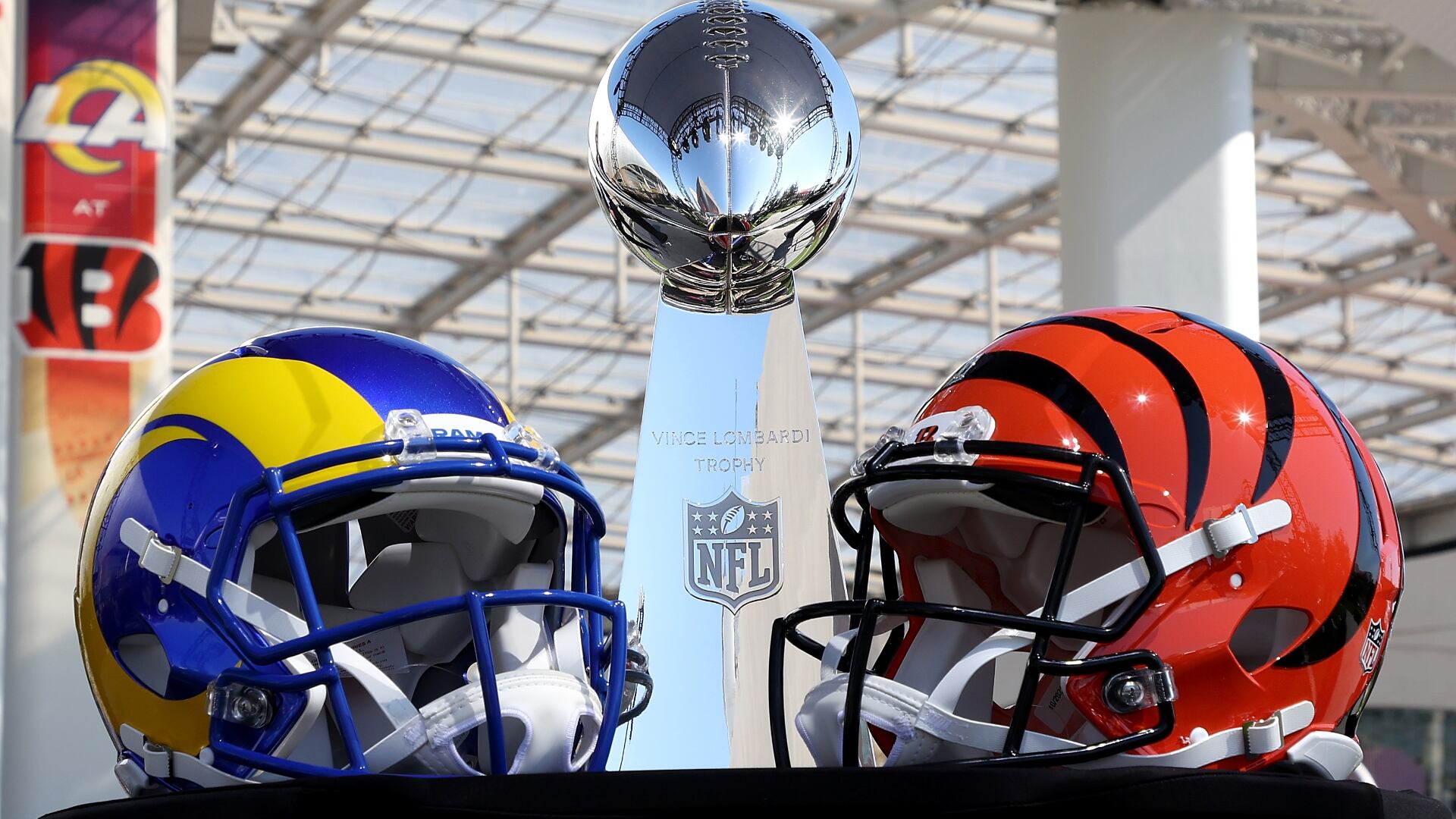
The Super Bowl is only a few days away, and the game is currently tracking to be the most expensive one ever.
Gametime, a website and app for last-minute tickets, says the average ticket price for the NFL's championship game is $9,502.50, with the most expensive seats costing nearly $38,000. That's a far cry away from the average ticket price of the first-ever Super Bowl in 1967, which was only $12. The average ticket price increased by more than $8,000 in just the past decade. Matt Rados, Senior Operations Manager at Gametime, joins Cheddar News' Closing Bell to discuss.
Earlier this week, digital investment advisor Betterment announced that it has hired Makara, a company known for its management of cryptocurrency portfolios. Sarah Levy, CEO of Betterment, joins Cheddar News' Closing Bell, where she explains why crypto represents such a promising long-term play and how her company stands to benefit from this latest move.
At-home medical labs company Getlabs raised $20 million in a Series A round, led by Emerson Collective and the Minderoo Foundation. Getlabs aims to be the boots-on-the-ground partner to telehealth. The company says more than 70% of medical decisions still require collecting diagnostic tests in person, and that it fills that void by delivering health care directly to their patients' homes. Founder & CEO of Getlabs Kyle Michelson joined Cheddar News' Closing Bell to discuss.
The White House laid out plans for a $5 billion investment into a national network of charging stations to ease EV driving anxiety. Bruce Brimacombe, CEO of EV infrastructure GOe3 joined Cheddar News to discuss how much needs to be done for drivers to get over the fear of running out of energy. "People need to be able to do what they're doing now," he said. "But that is the way that if you're going to buy an electric car, you got to feel like you're not changing your world." Brimacombe noted that building out the infrastructure between cities was GOe3's own focus.
Sonos reported better than expected Q1 earnings amid chip shortage with the release of its Roam product. CFO Brittany Bagley joined Cheddar News to discuss the smart speaker maker's successful report and its plans to hit its 2024 targets as people leave their homes as pandemic restrictions ease. "Even as people head out in the world, it doesn't mean they don't like to listen to music at home or watch a streaming movie at home," she said. "So there's still a real role for us and our products in peoples lives, sort of, no matter what else they're doing."
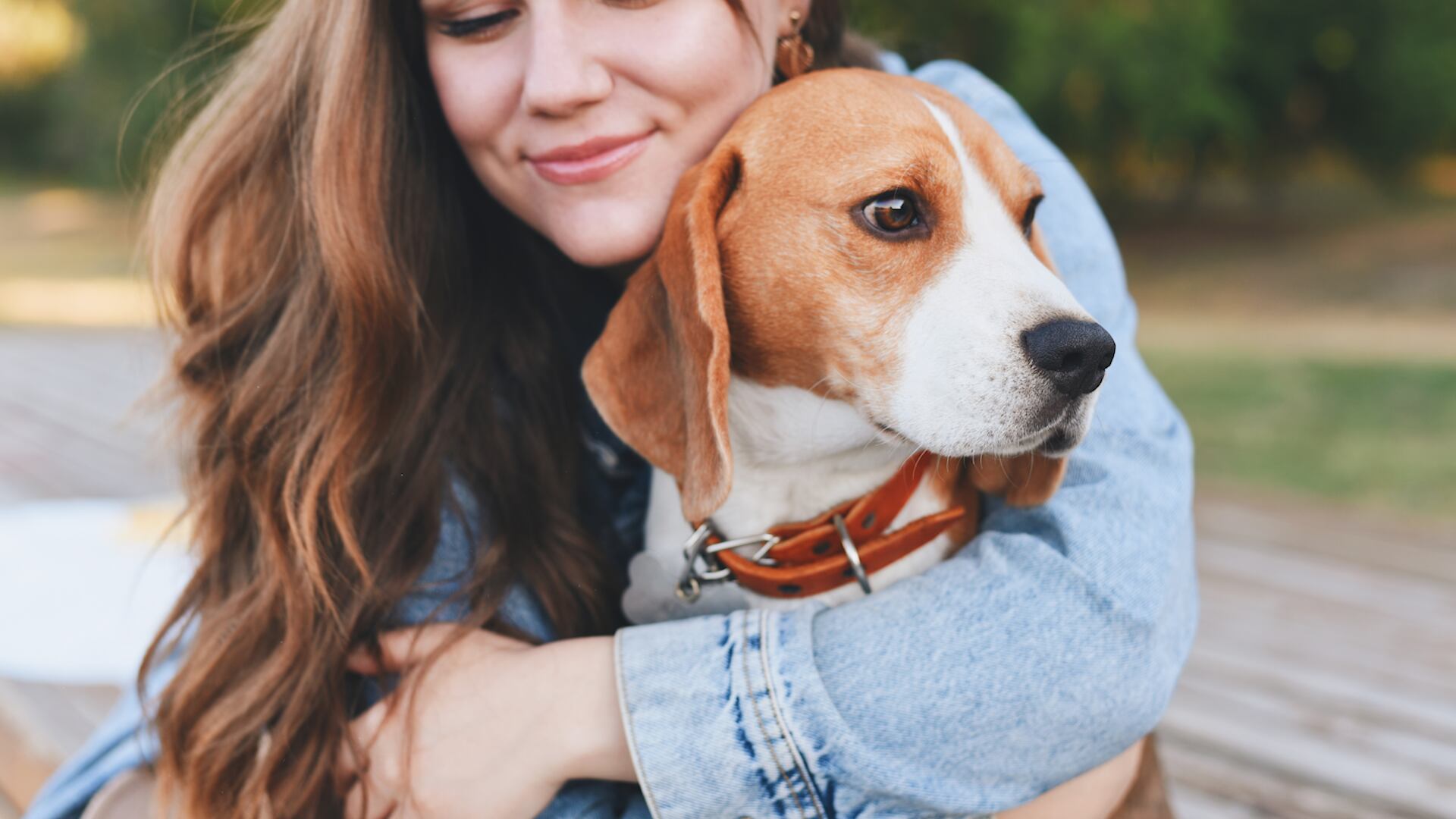
Kalle Marsal, Chief Operating Officer at PetDx, joins Cheddar Innovates to discuss how next-generation sequencing technology is being used to detect cancer in pets early.
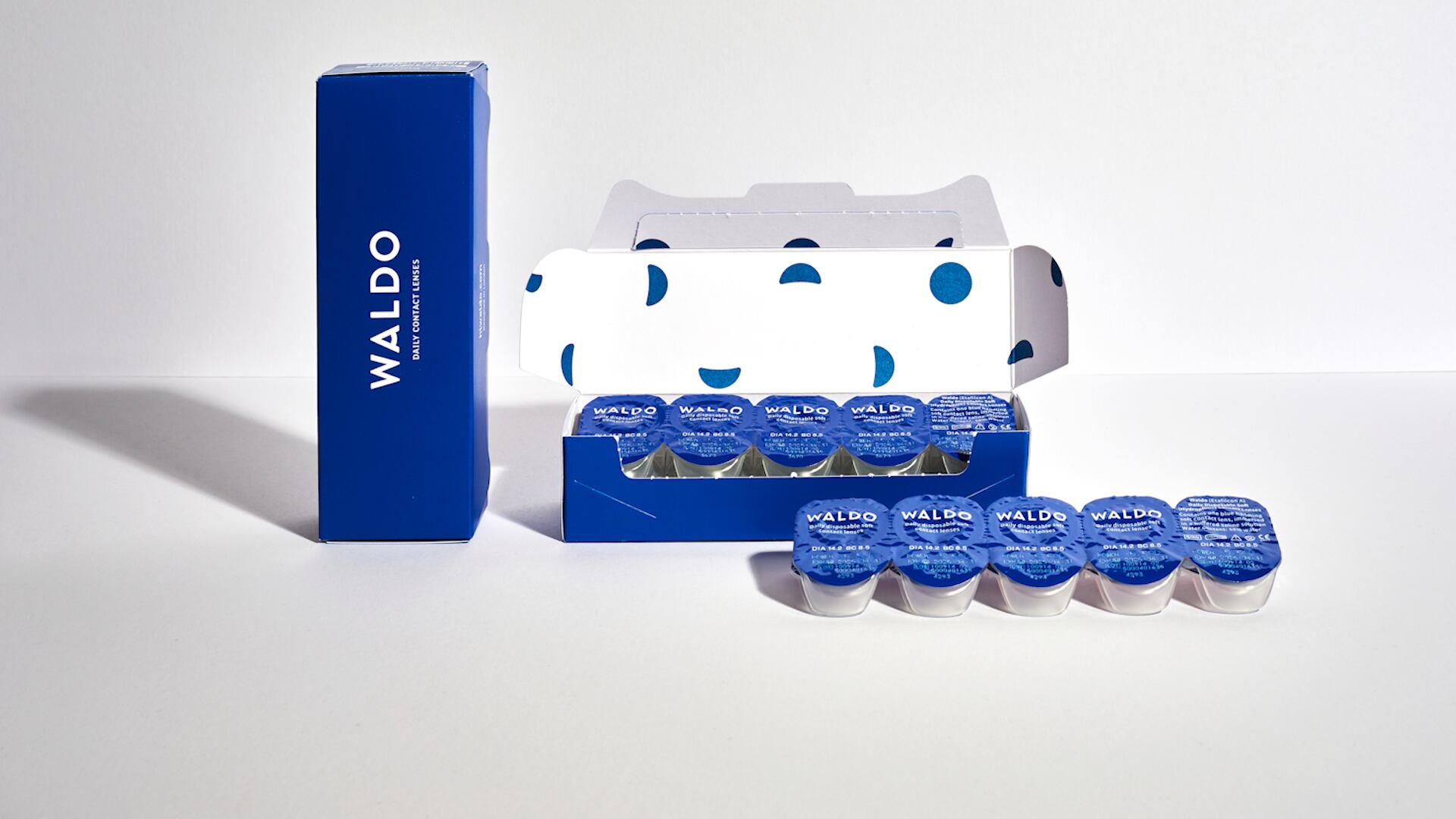
Ashleigh Hinde, Founder and CEO of WALDO, joins Cheddar Innovates to discuss why now is a good time to make eyecare a priority, and how they are democratizing access to eyecare for all.
On this episode of Cheddar Innovates: WALDO CEO breaks down why now is a good time to make eyecare a priority, and how they are democratizing access to eyecare for all; COO at PetDx explains how next-generation sequencing technology is being used to detect cancer in pets early; Cheddar gets a look at Curiosity Stream's 'Inside The Mind of a Con Artist.'