Alaska Airlines is focusing on flying the eco-friendly skies with a new sustainable fuel deal. The airline has signed a four-year agreement with renewable fuel producer Neste.
“We are, as an industry and I think as a society, we’re on a journey to make sure that we are reducing carbon emissions and protecting our environment,” Diana Birkett Rakow, vice president of external relations at Alaska Airlines, told Cheddar. “And there’s no time like the present to keep making progress.”
Rakow said Alaska Airlines has flown 80 trial flights using sustainable fuel. Renewable diesel and sustainable aviation fuel will now be used on all of its flights out of San Francisco.
“Our long-term goal is to make sustainable fuel a viable, commercially available, scalable product that we can use across all of our operations and really for all of aviation,” Rakow said.
Customers should not notice any changes during their in-flight experience. The change comes as more and more consumers are voicing demands for increased sustainability from big businesses, even beyond the air travel industry.
“One of the things that’s actually going to make reducing carbon emissions successful is involving our guests in wanting us to move in this direction, in purchasing carbon offsets, and continuing to demand that more and more airlines use sustainable fuel so that we can build a sustainable market for this product,” Rakow said.
Alaska Airlines is currently trying to recover from the coronavirus pandemic that has devastated air travel. Rakow said the airline was flying 130,000 passengers per day pre-pandemic, but at the lowest point dropped to 5,000. She said about 35,000 to 45,000 passengers are now flying per day.
CEOs of social media platforms like Facebook, TikTok, and more meet with lawmakers Wednesday about how they are protecting children from sexual exploitation.
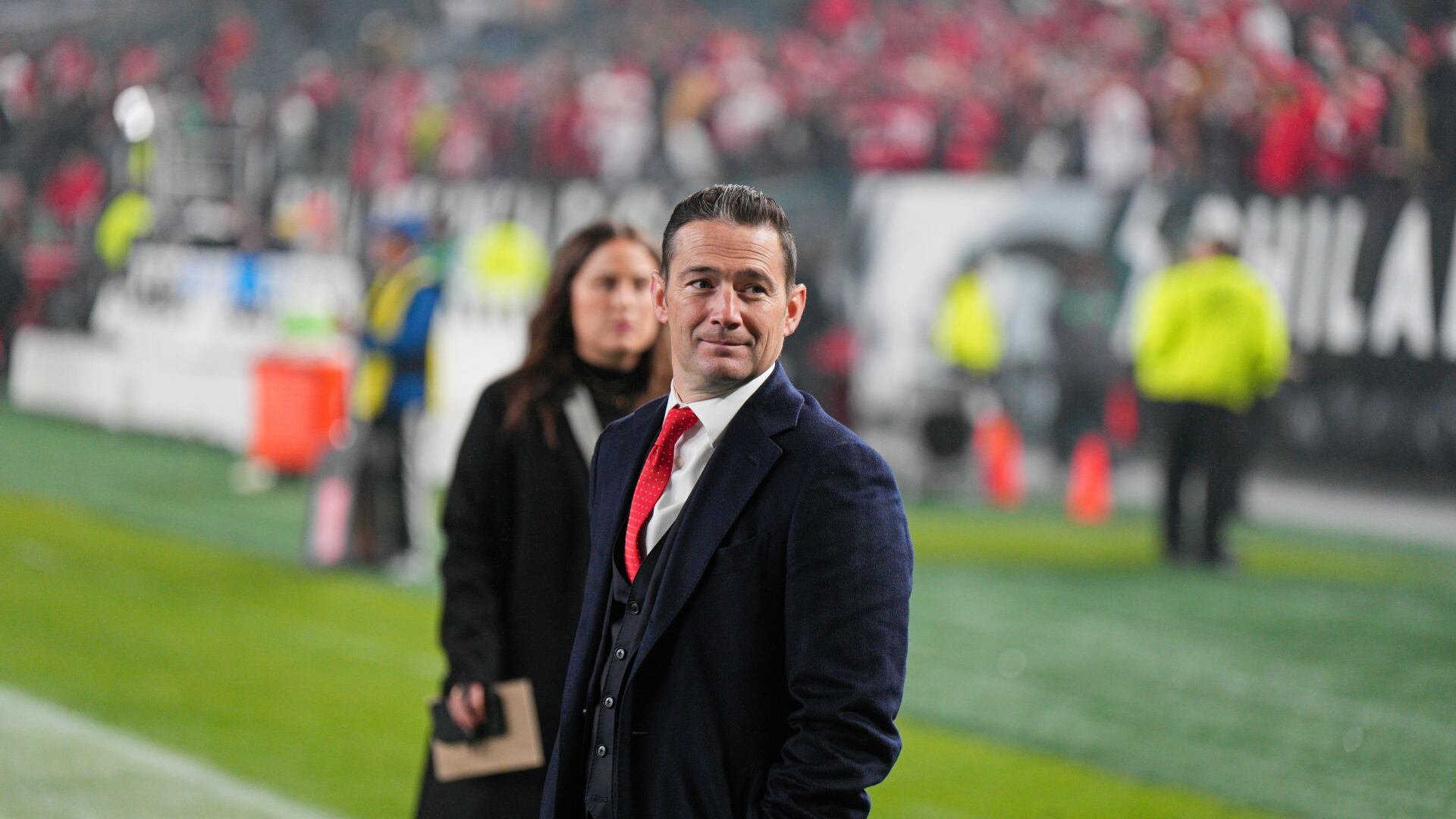
San Francisco 49ers president Al Guido discusses what goes into preparing for Super Bowl LVIII, building a championship-ready team, and how Taylor Swift and streaming are both bringing new fans to the NFL.
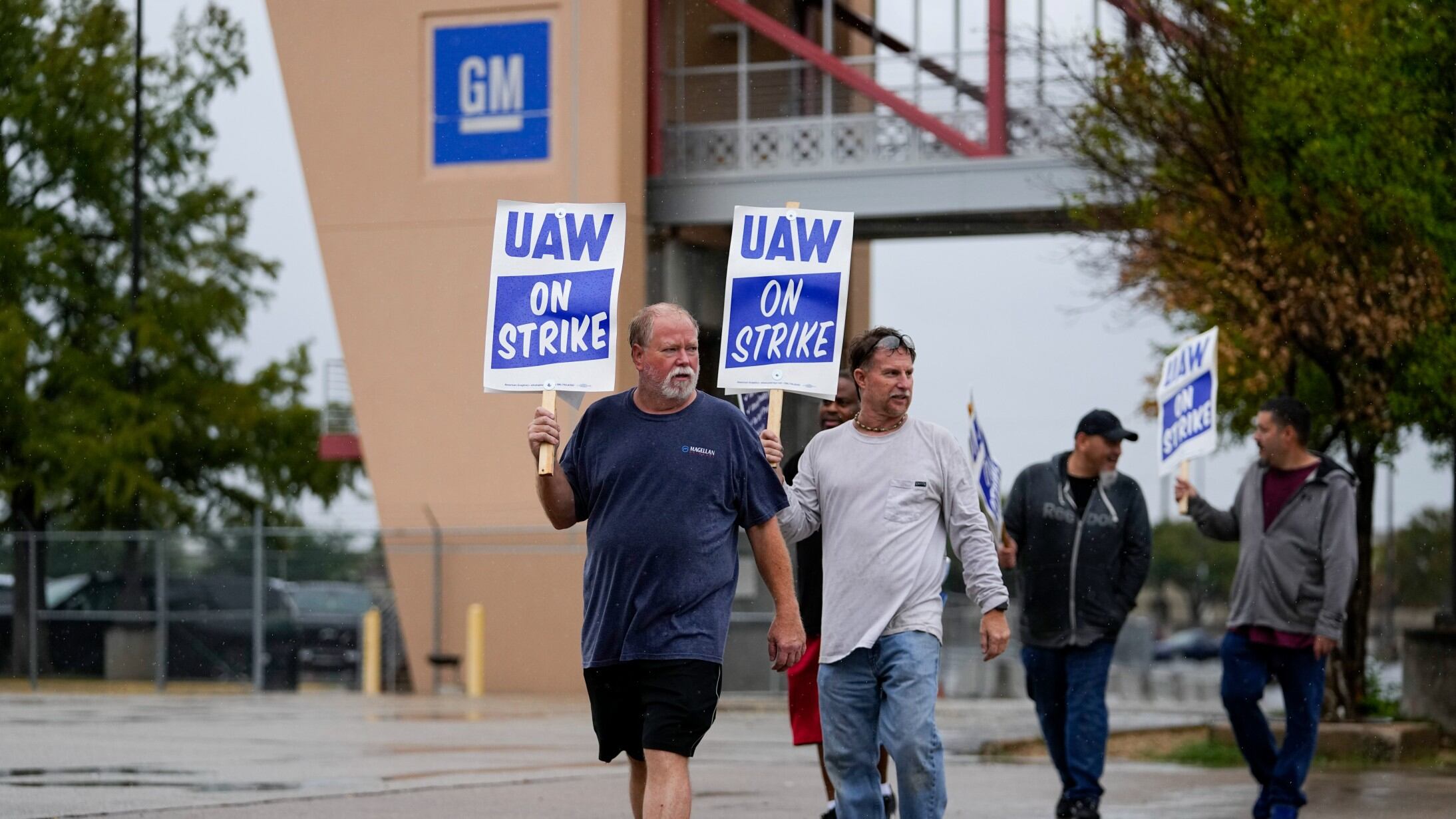
A $1 billion loss from a six-week strike did not crash GM's net income last year, which instead rose 12% — and the automaker expects improvement in 2024, too.
Accrue CEO and founder Michael Hershfield explains why Americans' credit card delinquencies are on the rise, advice on what can help, and the key difference between Boomers and Gen Z when it comes to money.
Senior Economist at Morning Consult Kayla Bruun shares thoughts on what to expect from the Fed's January meeting and where monetary policy is headed, as well as how consumers are faring.
Former Medtronic CEO and author of 'True North' Bill George explains the steps Boeing leadership must take to regain client and consumer trust after 737 Max 9 production was stopped.
Amazon blamed "regulatory hurdles" for calling off its proposed acquisition of robot vacuum maker iRobot. Not even a Roomba could clean up the deal's antitrust scrutiny.
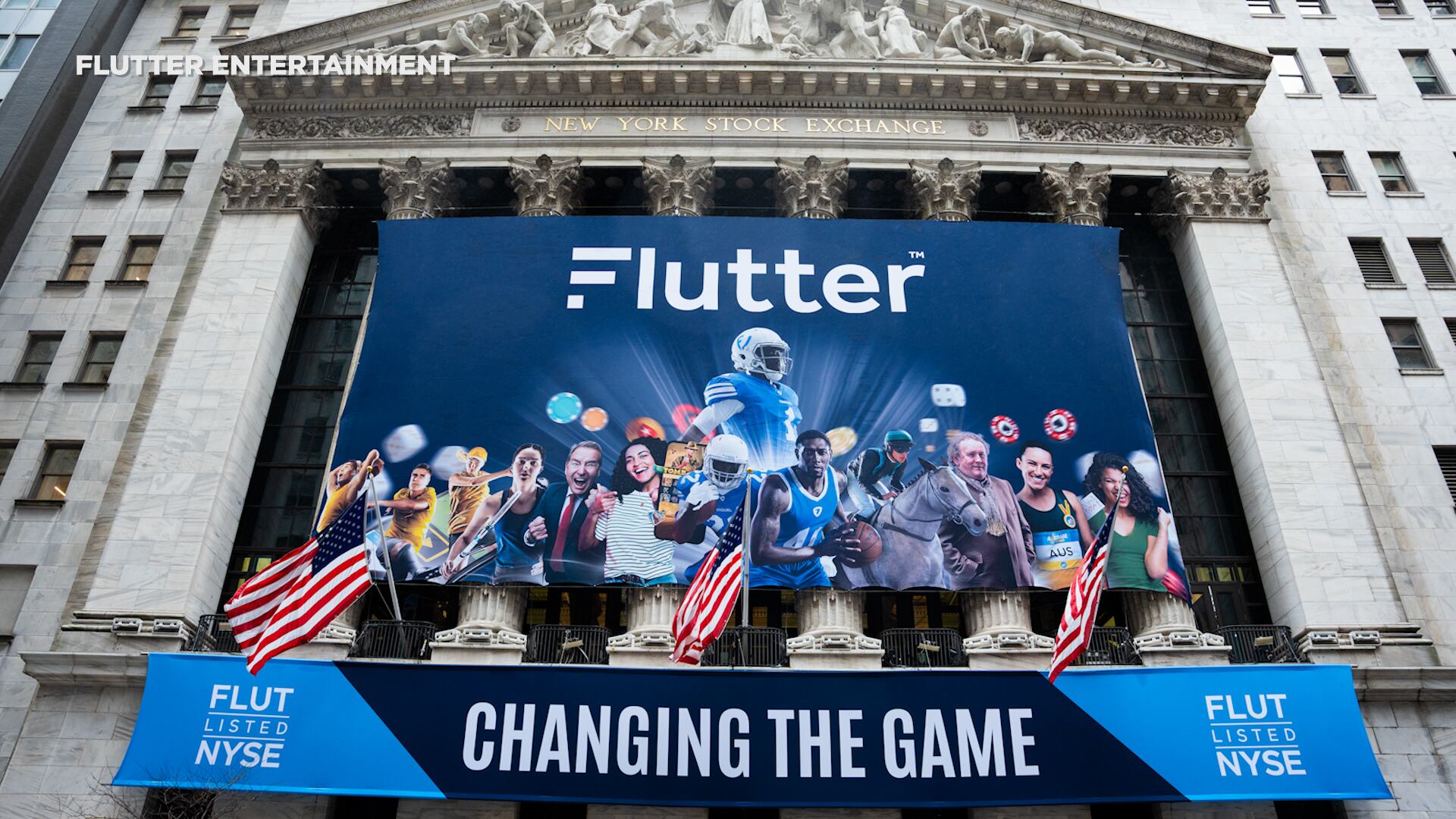
To celebrate Flutter Entertainment's debut on the NYSE, FanDuel CEO Amy Howe shares her thoughts on the company's plans for growth, the future of online sportsbetting, and Super Bowl Sunday.
Investopedia's Caleb Silver shares thoughts on the upcoming Fed meeting, why individual investors are still slightly skeptical, and what he's looking for from mega cap tech earnings.