After years of research and development, ADS-B or Automatic Dependent Surveillance-Broadcast is set to take over the role of the humble radar in how aircraft are tracked and detected across the globe.
At the center of this transition is the Virginia-based aircraft surveillance company Aireon, which is riding the wave of adoption into the new decade.
"[Radar] is great but it has limitations. It can physically only see a certain distance from where the radar is located," Aireon CTO Vincent Capezzuto told Cheddar.
On the ground, ADS-B technology has greater range and flexibility than radar, but it becomes even more comprehensive once plugged into a satellite network.
"You really don't have ubiquitous surveillance across the globe. That's where the satellite component of this comes in," Capezzuto said.
Starting in 2017, Aireon began working with SpaceX to launch 75 satellites equipped with the ability to receive ADS-B messages from aircraft around the world. The sensor network booted up on April 1, 2019, and Aireon has spent the last year spreading the word about the technology.
A few extra satellites will eventually launch, but other than that the network is finished. "We're done," Capezzuto said. "We can see aircraft all over the world, from pole to pole, over the oceans, all the remote areas. That's the major difference."
That means no more clunky radar dishes swiveling around to find their target.
The technology offers automatic communication between aircraft and air traffic controllers, cutting out the middle man for real-time updates on information such as altitude and velocity.
One direct benefit of ADS-B, Capezzuto said, is that planes can more easily adjust their flight path in response to bad weather or other unexpected conditions because air traffic controllers can see their exact location in real-time and give them clearance accordingly.
ADS-B has already proven useful in the aftermath of major disasters. Aireon provided precise position data on the Ukraine International Airlines jet that was shot down outside of Tehran on January 8. The company did the same for the Ethiopian 737 MAX jet that crashed last year.
Widespread adoption of ADS-B has been a long time coming, Capezzuto said. He noted that research on the technology started in the 1990s, and deployment started in the early 2000s.
Now a number of countries have set mandates for themselves to implement the technology within the next couple of years.
The next big step for Aireon is getting flight information regions (FIRS) around the world to adopt the technology over existing radar systems. So far, 15 countries have signed on, according to Capezzuto. There are also a number of pilot programs underway.
"You've heard of the word radar, which, believe it or not, is actually an acronym for radio detection and ranging. We hope to see ADS-B also be a word that becomes common vocabulary in the future," Capezzuto said.
Wealthfront’s CFO Alan Iberman talks the $2.05B IPO and the major moment for robo banking as the company bets on AI, automation, and “self-driving money."
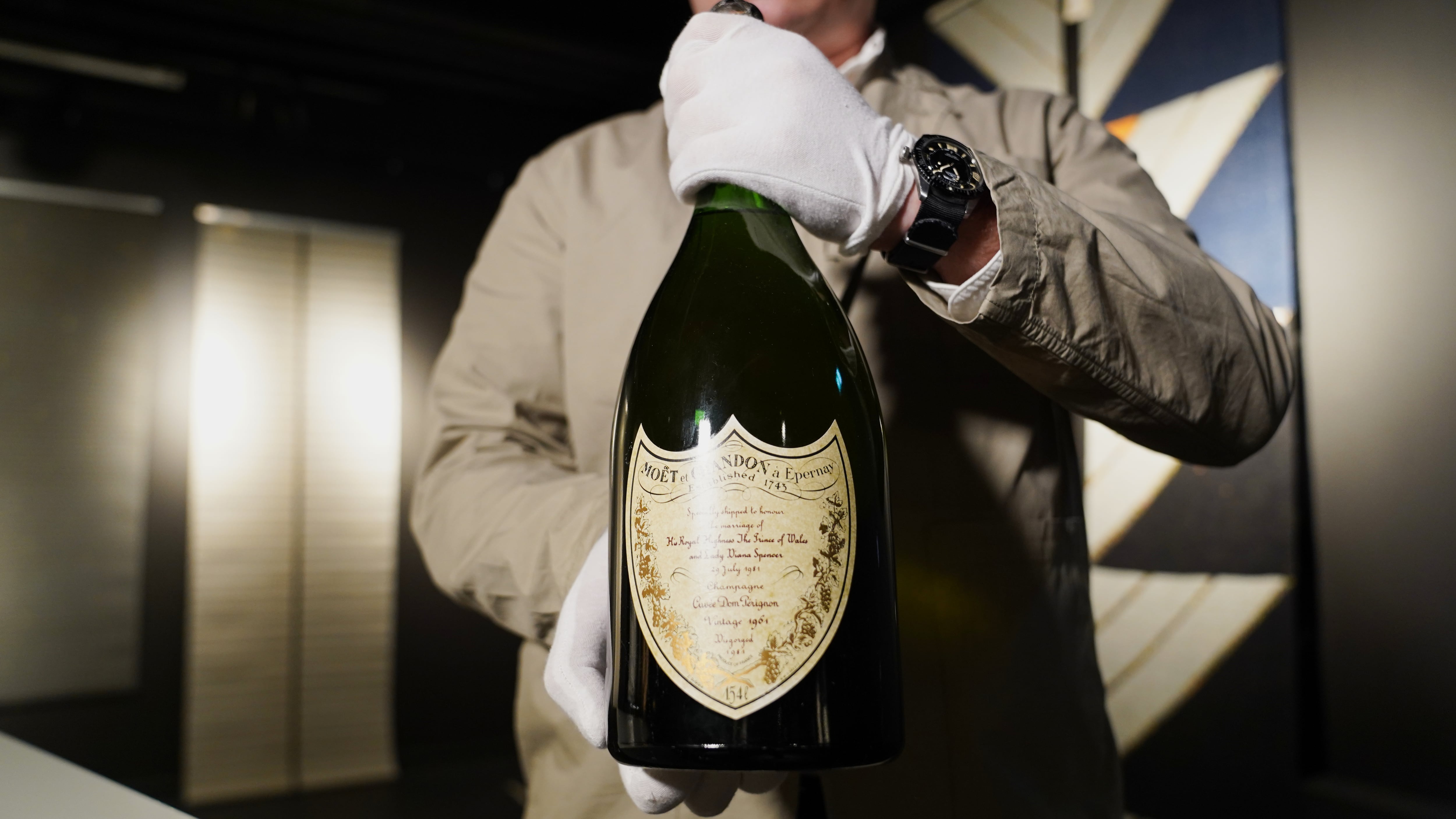
A rare magnum of Dom Pérignon Vintage 1961 champagne that was specially produced for the 1981 wedding of Prince Charles and Lady Diana has failed to sell during an auction. Danish auction house Bruun Rasmussen handled the bidding Thursday. The auction's house website lists the bottle as not sold. It was expected to fetch up to around $93,000. It is one of 12 bottles made to celebrate the royal wedding. Little was revealed about the seller. The auction house says the bids did not receive the desired minimum price.
The New York Times and President Donald Trump are fighting again. The news outlet said Wednesday it won't be deterred by Trump's “false and inflammatory language” from writing about the 79-year-old president's health. The Times has done a handful of stories on that topic recently, including an opinion column that said Trump is “starting to give President Joe Biden vibes.” In a Truth Social post, Trump said it might be treasonous for outlets like the Times to do “FAKE” reports about his health and "we should do something about it.” The Republican president already has a pending lawsuit against the newspaper for its past reports on his finances.
OpenAI has appointed Slack CEO Denise Dresser as its first chief of revenue. Dresser will oversee global revenue strategy and help businesses integrate AI into daily operations. OpenAI CEO Sam Altman recently emphasized improving ChatGPT, which now has over 800 million weekly users. Despite its success, OpenAI faces competition from companies like Google and concerns about profitability. The company earns money from premium ChatGPT subscriptions but hasn't ventured into advertising. Altman had recently announced delays in developing new products like AI agents and a personal assistant.
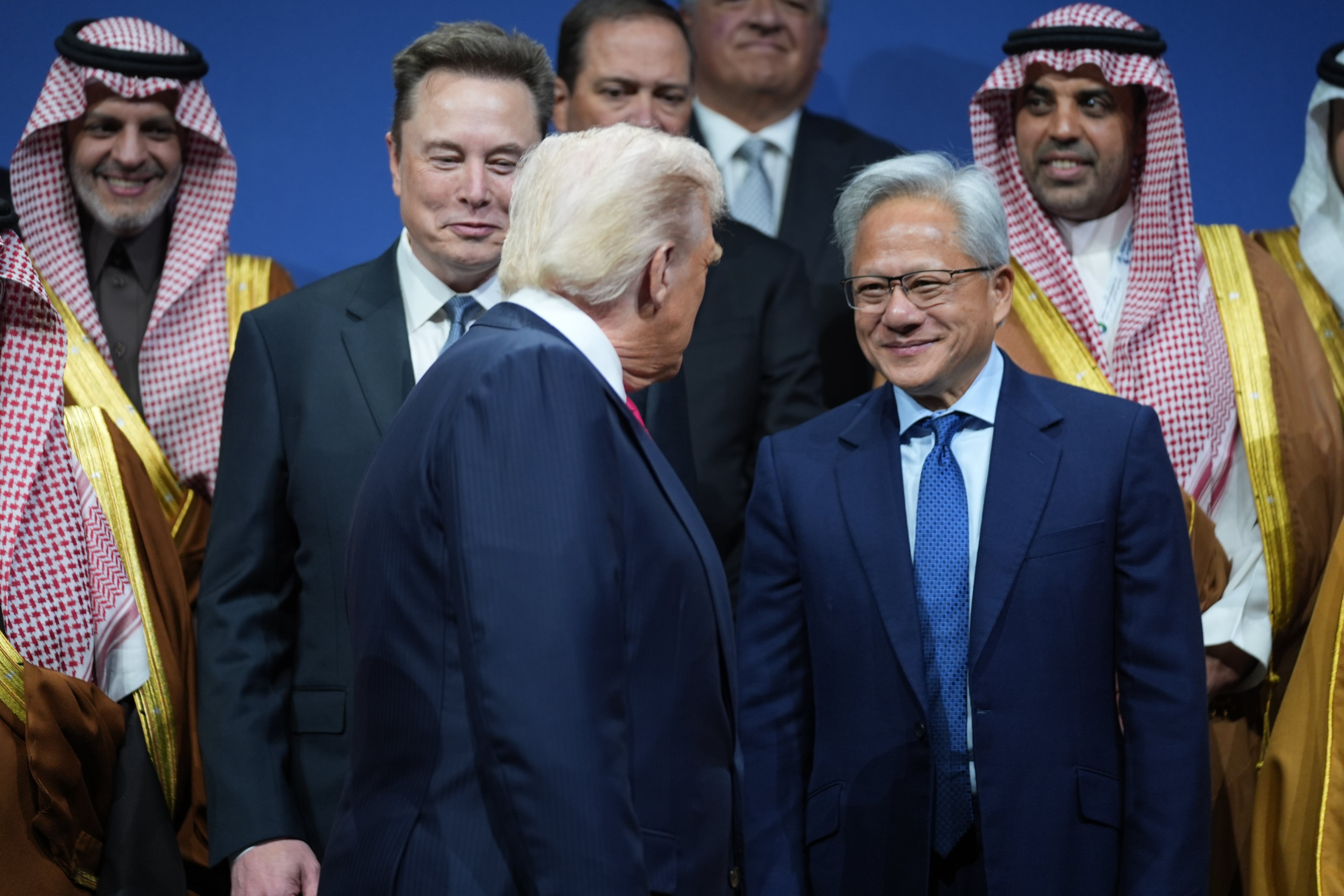
President Donald Trump says he will allow Nvidia to sell its H200 computer chip used in the development of artificial intelligence to “approved customers” in China. Trump said Monday on his social media site that he had informed China’s leader Xi Jinping and “President Xi responded positively!” There had been concerns about allowing advanced computer chips into China as it could help them to compete against the U.S. in building out AI capabilities. But there has also been a desire to develop the AI ecosystem with American companies such as chipmaker Nvidia.