The University of Massachusetts is warning about a TikTok drinking trend after 28 ambulances were summoned to off-campus parties.
Students were observed Saturday carrying jugs with a mixture of alcohol, electrolytes, flavoring and water, dubbed “blackout rage gallons,” or “BORGs," in a binge-drinking trend gaining traction on TikTok, officials said.
There were so many calls for ambulances for student alcohol intoxication that neighboring agencies stepped in to help, officials said. The Amherst Fire Department said none of the cases were life-threatening. UMass Police reported two arrests for underage drinking.
UMass officials said this is the first time the university has observed widespread use of BORGs at off-campus parties.
In a statement, the university said the weekend's events will be assessed and steps taken to improve alcohol education. Incoming students already learn about physiological and medical risks of binge drinking.
The weekend’s festivities are known among UMass students as the “Blarney Blowout," an annual unsanctioned event related to upcoming St. Patrick's Day, local media reported.
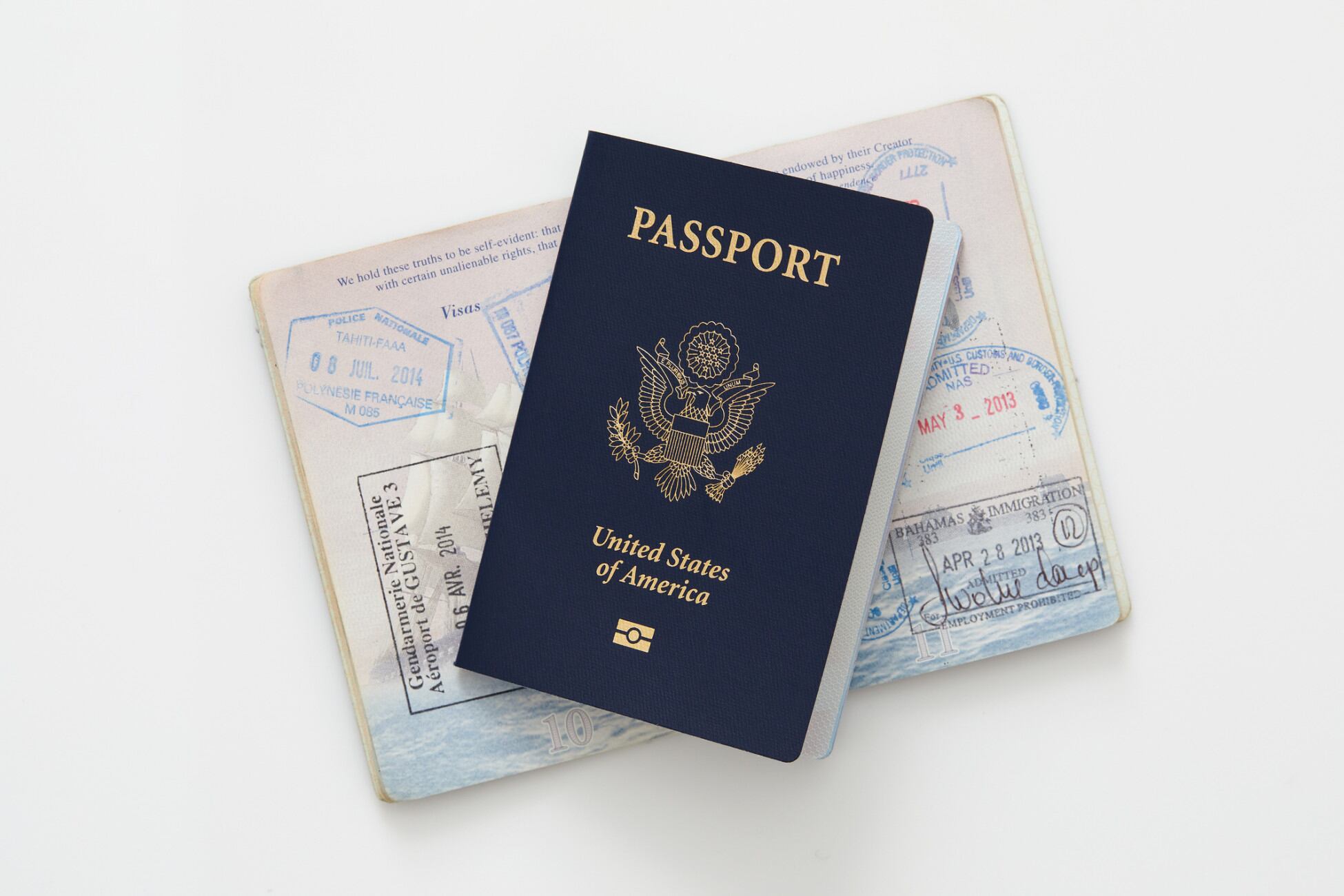
Have you been hearing about all the passport delays that are currently affecting travelers around the U.S? If you're in a rush to get your passport, it could cost you hundreds of dollars. So to protect your dollar, we brought in travel expert Francesca Page to give some tips on how to avoid extra fees for expedited passports down the line.
While it's already July, there's still time to plan those last minute summer vacations. and we've got expert tips that can help you save. Consumer Reporter Janice Lieberman has more.
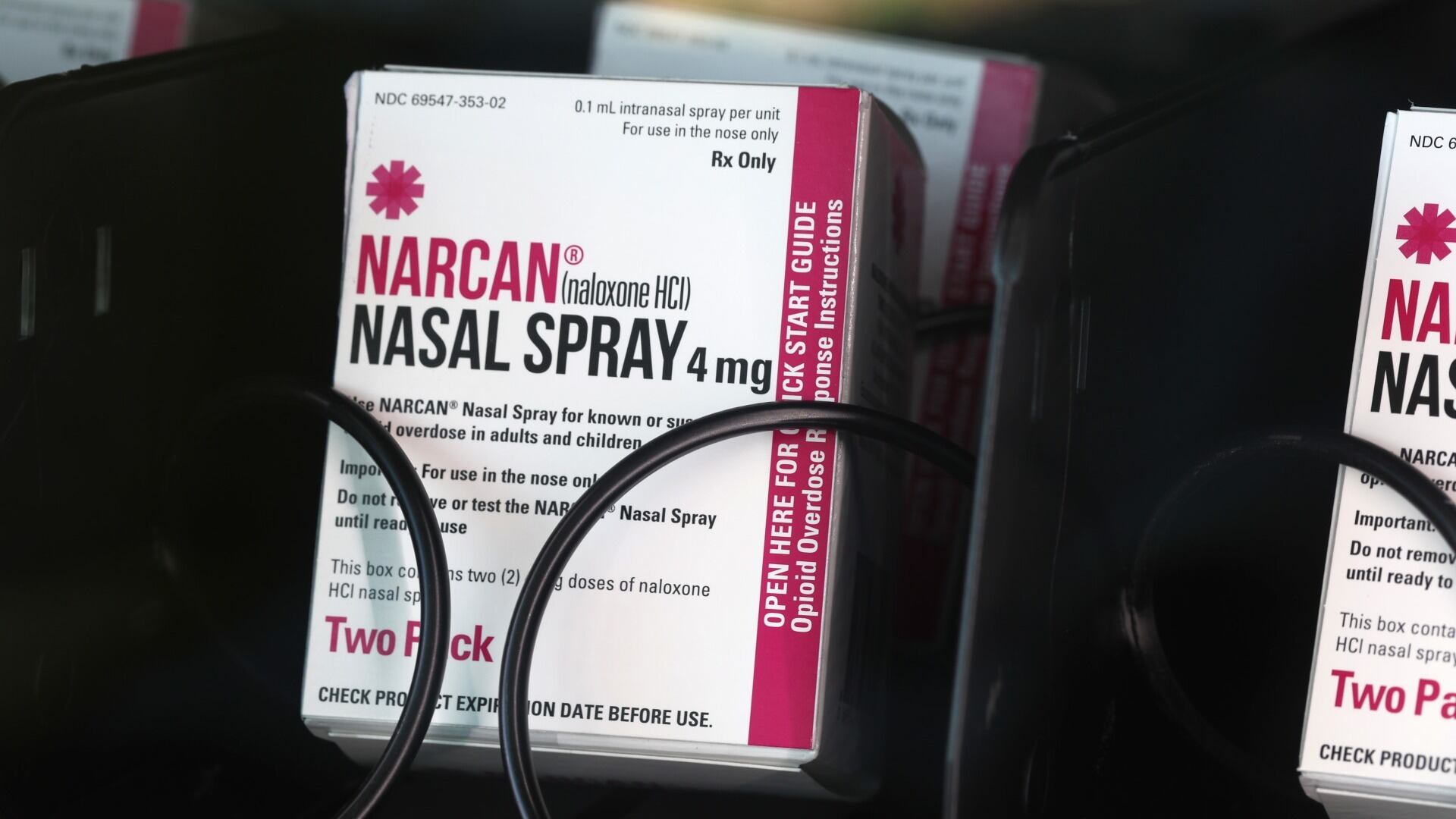
New York City has debuted its first vending machine for drug overdose treatment Narcan, but for some reason, not everyone is on board with this progressive community offering. Cheddar's own Ashley Mastronardi explored this complex issue.
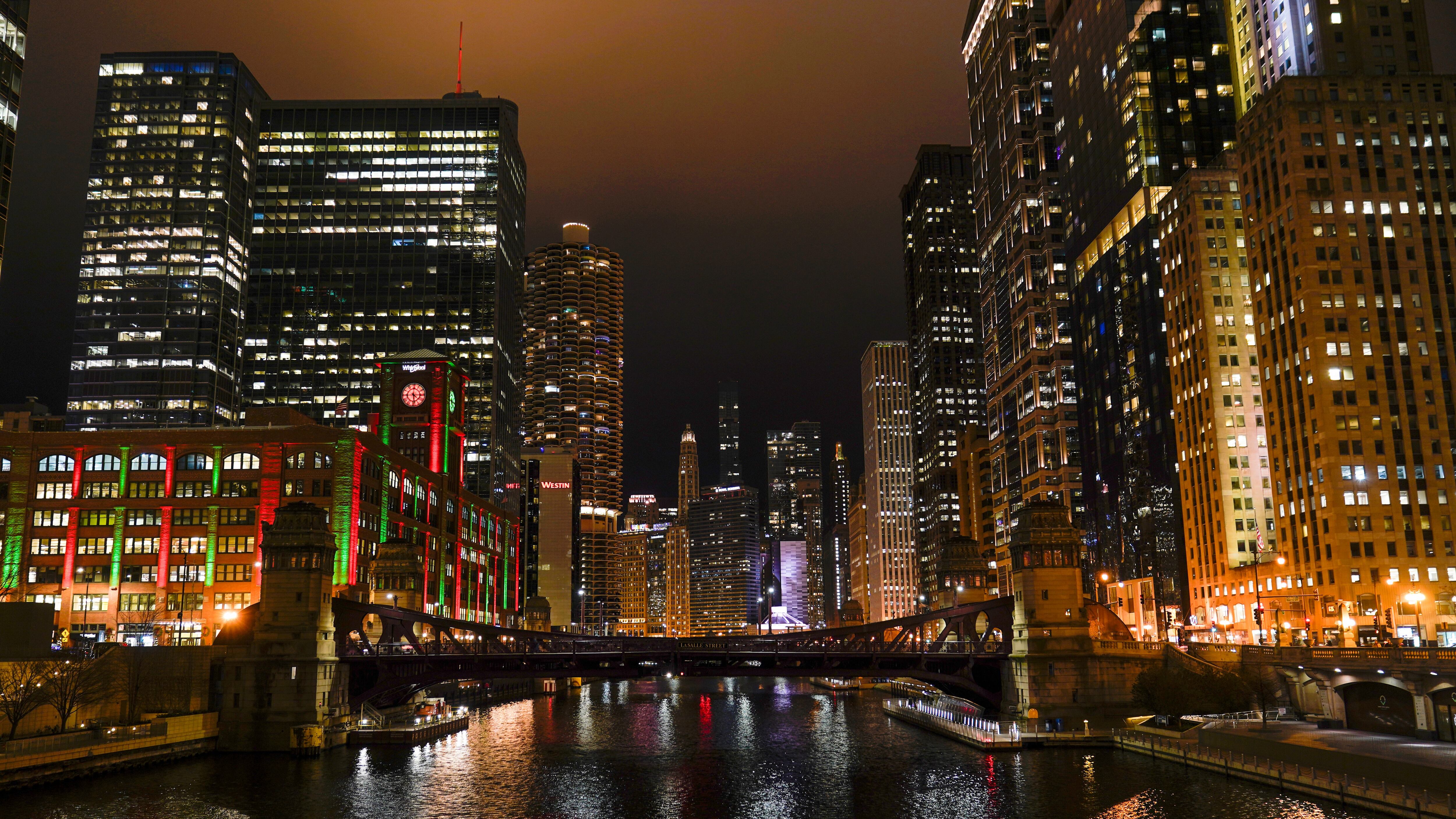
A new study shows that there could be an unexpected side effect of climate change happening right under your feet. Researchers at Northwestern University used temperature sensors underground across Chicago and found that the city's concrete structures (think parking garages, basements, or train tunnels) are absorbing heat from rising temperatures, and it's causing the city to slowly sink.