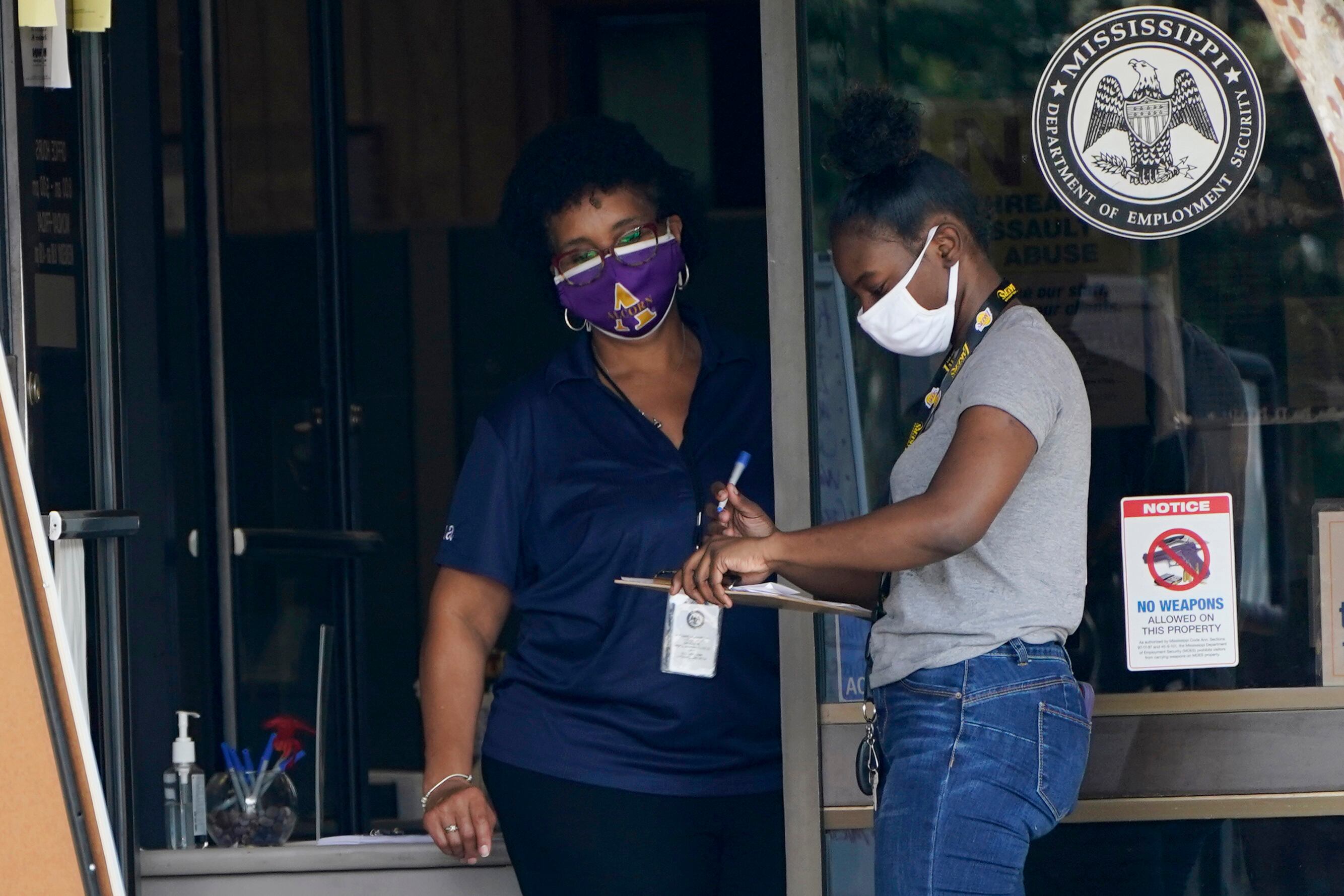
n employee of the Mississippi Department of Employment Security WIN Job Center in Pearl, Miss., left, assists a client fill out paperwork, Monday, Aug. 31, 2020. Payroll processor ADP said Wednesday, Sept. 2, that businesses added 428,000 jobs in August, a figure that before the pandemic would have represented a healthy gain. But the increase represents a small slice of the 12 million jobs that have been lost to the spread of the coronavirus.(AP Photo/Rogelio V. Solis)
By Christopher Rugaber
U.S. companies added jobs at a modest pace last month, a private survey found, a sign that while hiring continues, it is only soaking up a relatively small proportion of the unemployed.
Payroll processor ADP said Wednesday that businesses added 428,000 jobs in August, a figure that before the pandemic would have represented a healthy gain. But the increase represents a small slice of the 12 million jobs that have been lost to the spread of the coronavirus.
ADP said the bulk of the gains were at large companies, which added 298,000 jobs. Small businesses with less than 50 employees gained just 52,000 positions, while medium-sized firms — with between 50 and 499 employees — added 79,000 jobs.
"Given the enormous job losses during the Viral Recession, job growth of around 400,000 per month means that it would take years for the labor market to recover from the coronavirus pandemic," Gus Faucher, an economist at PNC, said.
ADP's figures do not include government workers and frequently diverge from the Labor Department's official jobs report. The August jobs report from the government will be released Friday. ADP revised up its July job gain to 212,000, but that is still far below the 1.8 million additional jobs that month reported by the federal government.
Economists forecast that the Labor Department on Friday will report that 1.4 million jobs were added in August, while the unemployment rate is expected to have fallen to 9.8 percent from 10.2 percent, according to data provider FactSet.
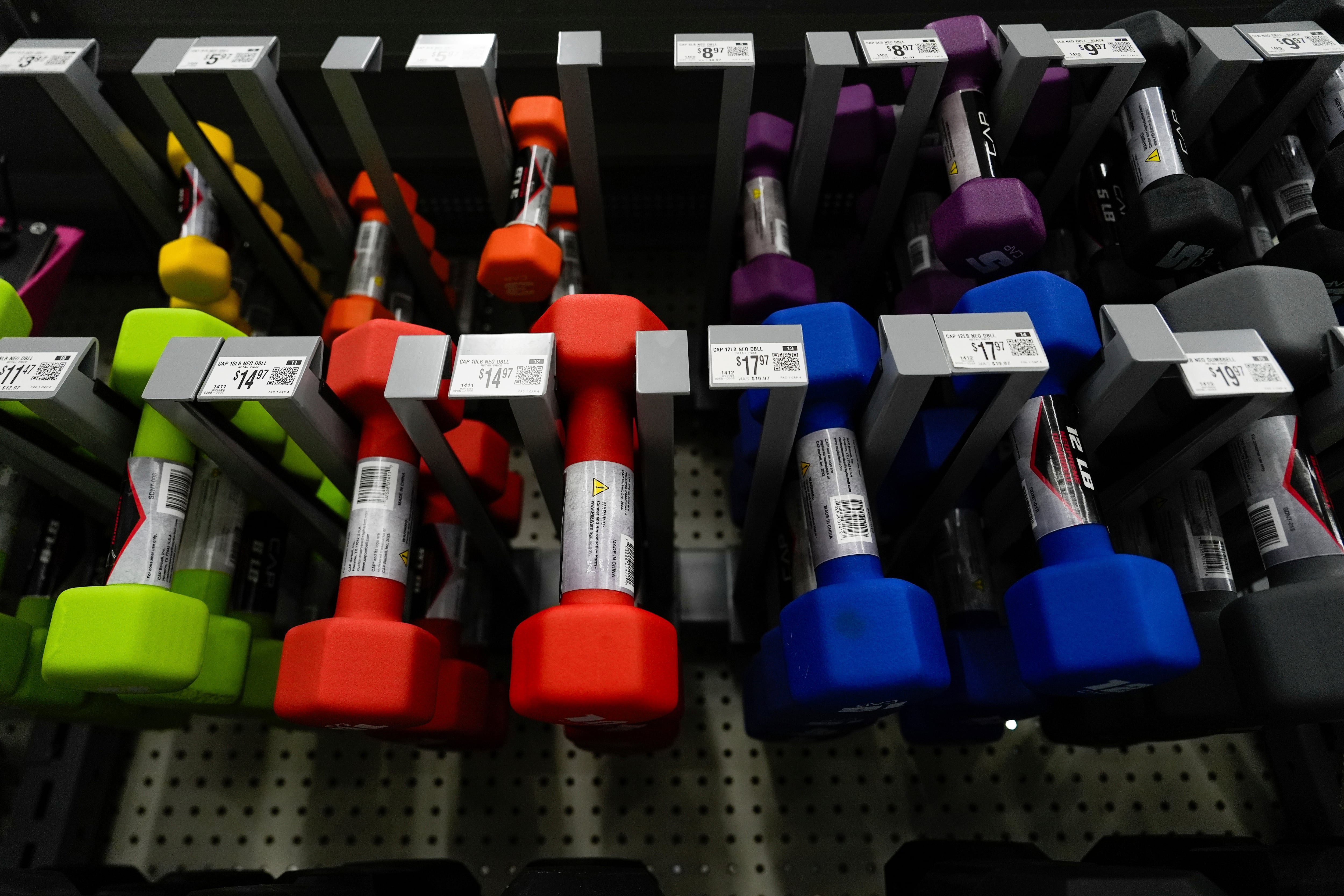
Walmart, which became the nation’s largest retailer by making low prices a priority, has found itself in a place it’s rarely been: Warning customers that prices will rise for goods ranging from bananas to car seats.
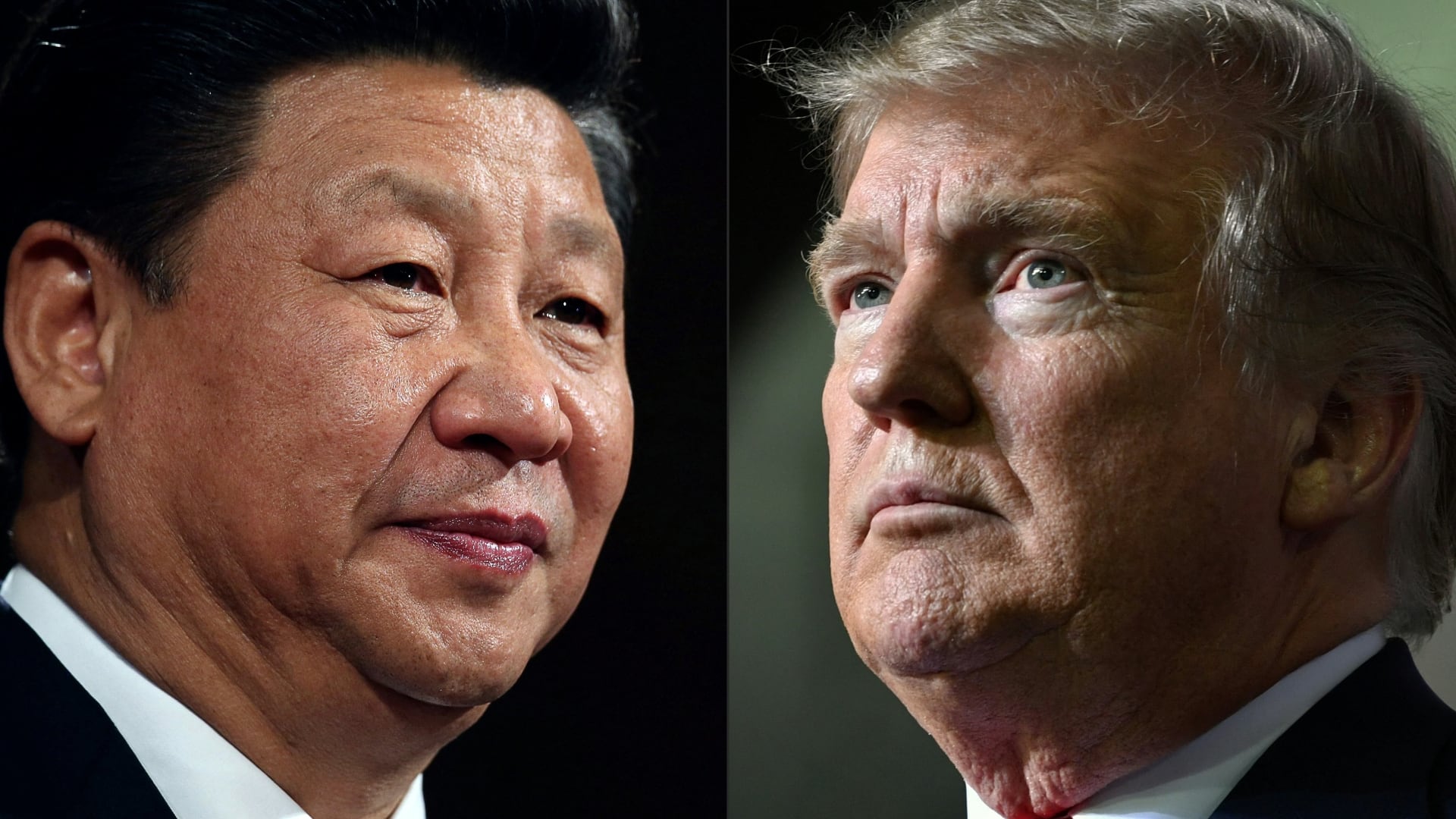
Chris Beauchamp, Chief Market Analyst at IG International, joins J.D. Durkin to give analysis on the recent trade truce between the U.S. and China. Watch!
Shan Aggarwal, VP of Corporate and Business Development at Coinbase, discusses the company's acquisitio of Deribit as it heads into the S&P 500. Watch!
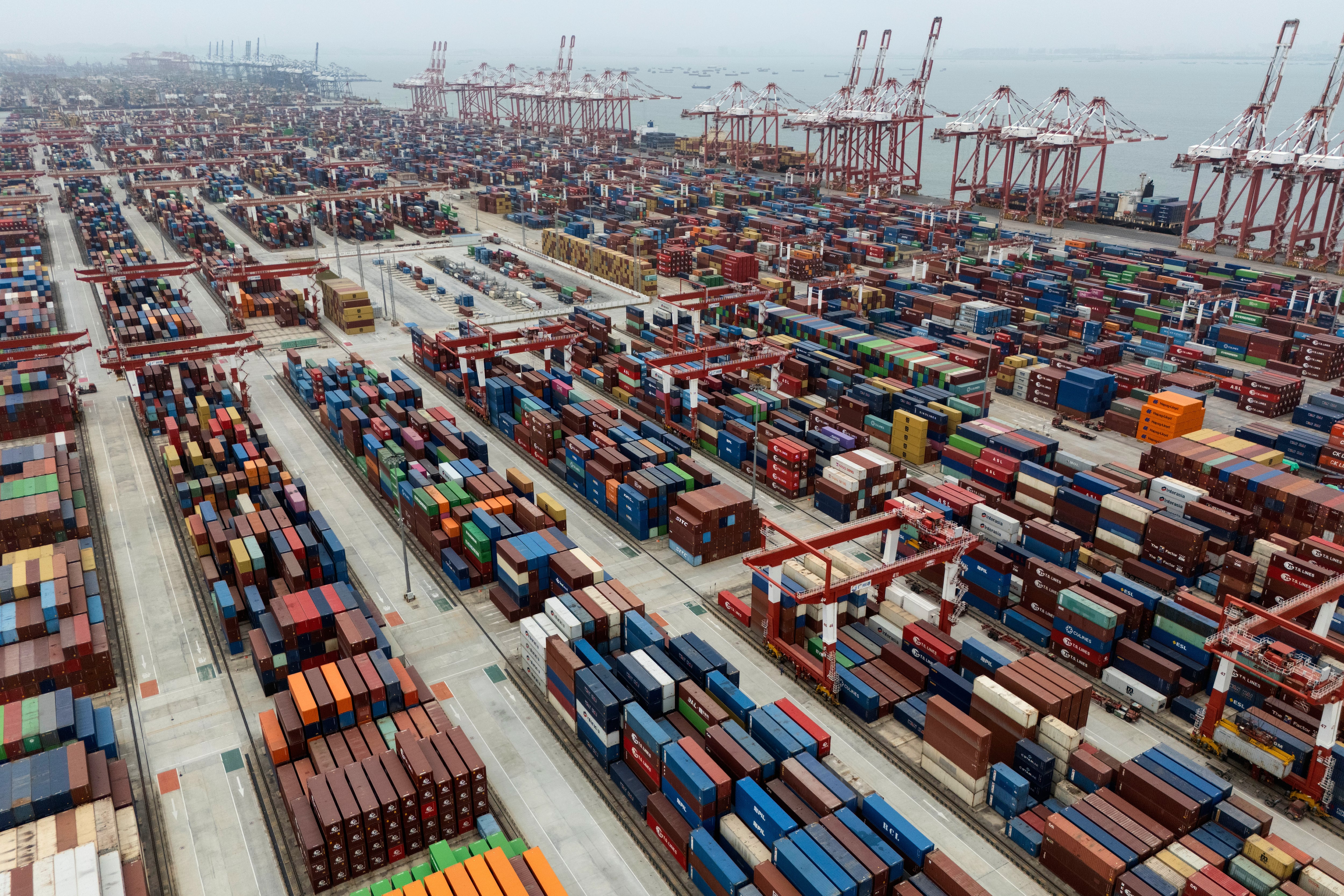
American businesses that rely on Chinese goods are reacting with muted relief after the U.S. and China agreed to pause their exorbitant tariffs on each other’s products for 90 days. Many companies delayed or canceled orders after President Donald Trump last month put a 145% tariff on items made in China. Importers still face relatively high tariffs, however, as well as uncertainty over what will happen in the coming weeks and months. The temporary truce was announced as retailers and their suppliers are looking to finalize their plans and orders for the holiday shopping season. They’re concerned a mad scramble to get goods onto ships will lead to bottlenecks and increased shipping costs.
Shopping expert Trae Bodge discusses how talks between the U.S. and China is good news for now, but uncertainty remains for back-to-school and the holidays.
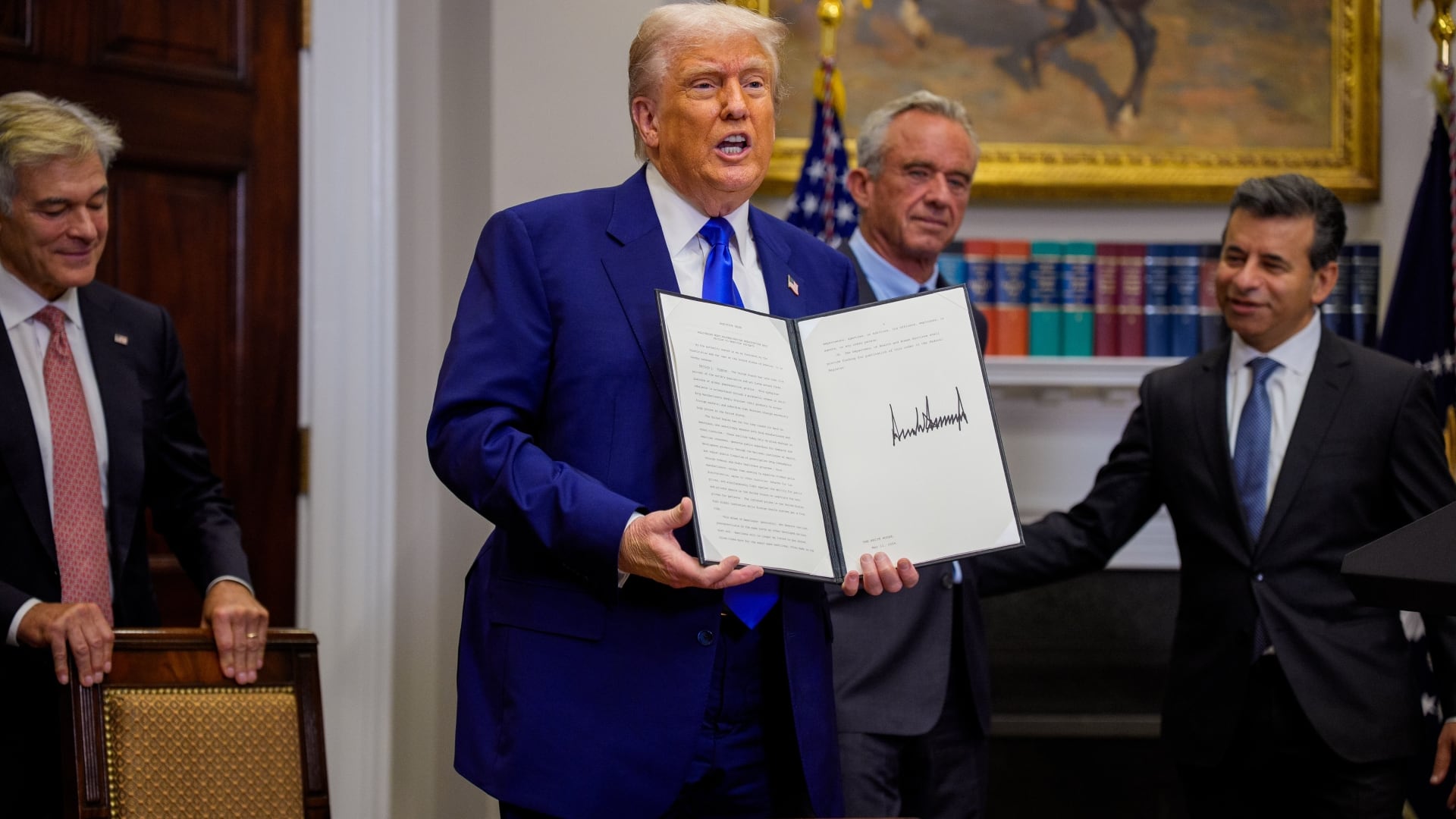
Jake Traylor, White House reporter at Politico, joins Cheddar to discuss how Trump is aiming to lower drug prices and how it differs from Biden's approach.