A Start-up That Wants to Tip the Beef Industry, One Cow at a Time
*By Madison Alworth*
The butchery start-up Crowd Cow wants to revolutionize the way Americans buy meat. The company sells beef from "craft beef purveyors," also known as small farmers.
"They are doing it the right way and raising cattle with flavors that are unique to that particular farm," said Joe Heitzberg, co-founder and CEO of Crowd Cow. "The environment they're on, the soil, the many kinds of grasses, and of course, the over 300 breeds of cattle that exist," it all affects how the beef tastes.
Craft Cow offers a wide variety of natural beef for customers to choose from on its website, including 100 percent grass-fed, grass-finished, grain-finished, and A5 Wagyu from Japan.
Customers choose the cow and the cut they want. After an entire cow has been accounted for, Crowd Cow ships the beef directly from the ranch to customers. Packages of beef around 6 lbs. start at $89 and reach as high as $120.
Crowd Cow has raised $8 million in Series A funding, led by Madrona Ventures. Some of the Series A investment also came from the actor Ashton Kutcher. Heitzeberg said that Kutcher reached out in an email.
"He said something like 'I'm aware of you guys. I'm interested in what you're doing. I don't know if you know, but I'm an Iowa farm boy and I worked at a butcher shop at one point. And I just really dig it and we should talk," Heitzberg recalled.
For full interview, [click here](https://cheddar.com/videos/getting-a-crowd-together-to-buy-a-cow).
Retailers face tariffs and cost challenges this holiday season. Wells Fargo's Lauren Murphy shares insights on pricing, promotions, and shopping trends.
Dateability, founded by sisters Jacqueline and Alexa Child, is the only dating app for disabled and chronically ill communities, fostering love without limits.
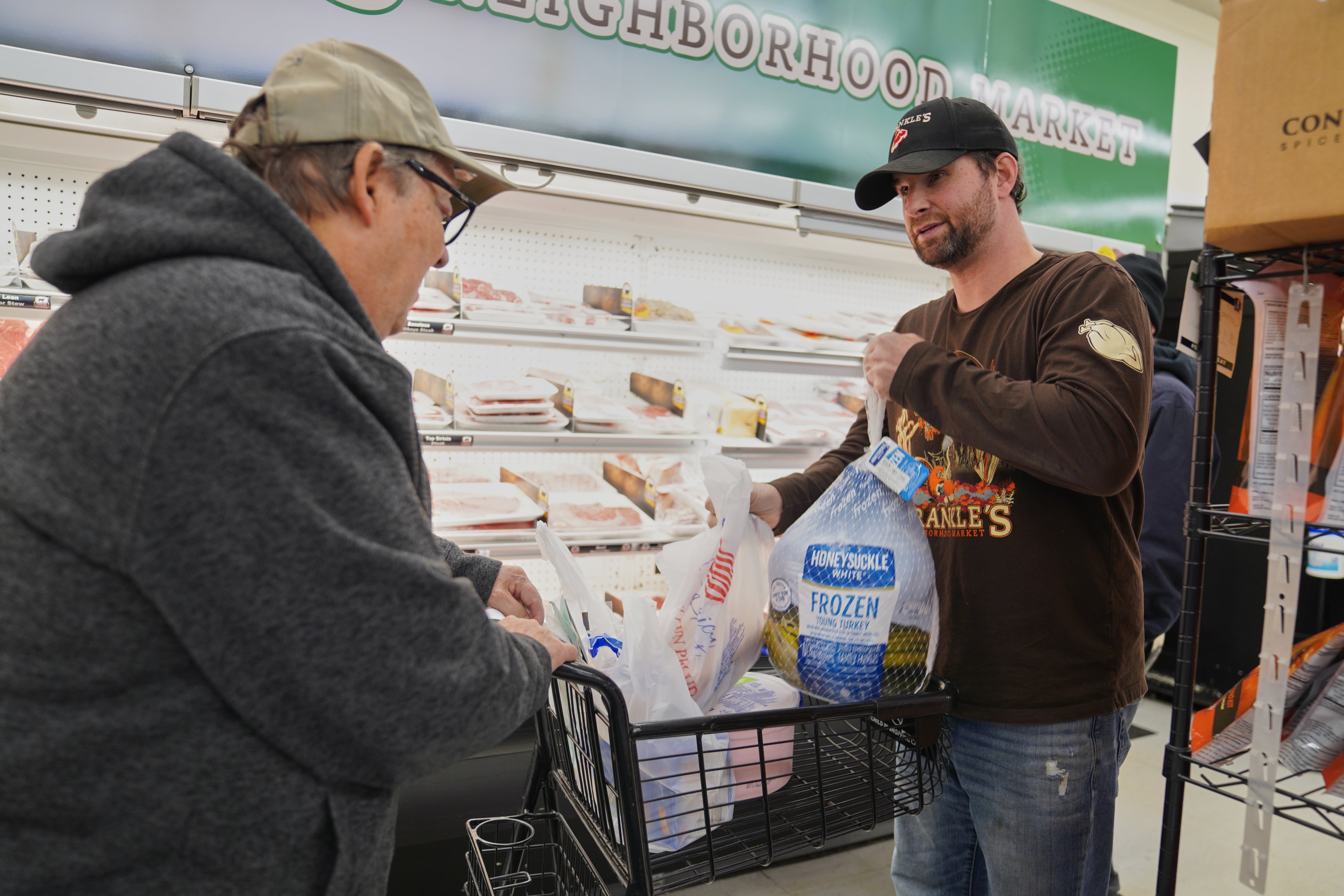
Some small grocery stores and neighborhood convenience stores are eager for the U.S. government shutdown to end and for their customers to start receiving federal food aid again. Late last month, the Trump administration froze funding for the SNAP benefits that about 42 million Americans use to buy groceries. The U.S. Department of Agriculture says about 74% of the assistance was spent last year at superstores like Walmart and supermarkets like Kroger. Around 14% went to smaller stores that are more accessible to SNAP beneficiaries. A former director of the United Nations World Food Program says SNAP is not only a social safety net for families but a local economic engine that supports neighborhood businesses.
Andy Baehr, Head of Product at CoinDesk Indices, breaks down crypto’s Black Friday crash, Bitcoin dipping under $100K, and what’s driving the market rout.
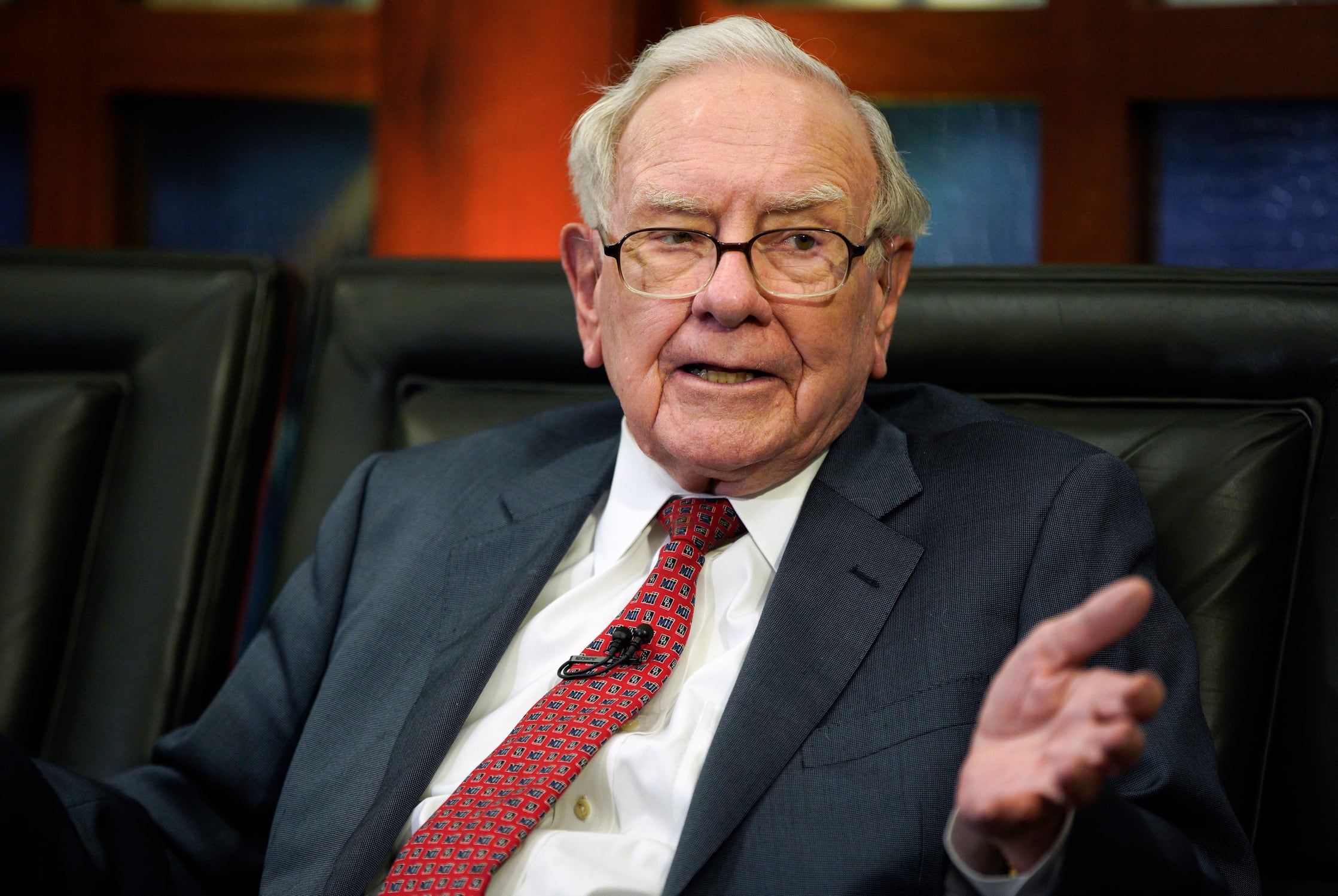
Billionaire Warren Buffett warned shareholders Monday that many companies will fare better than his Berkshire Hathaway in the decades ahead as Father Time catches up
Chris Marquette of POLITICO breaks down how the FAA is cutting flights and facing a critical shortage of air‑traffic controllers amid the government shutdown.