By Marc Levy
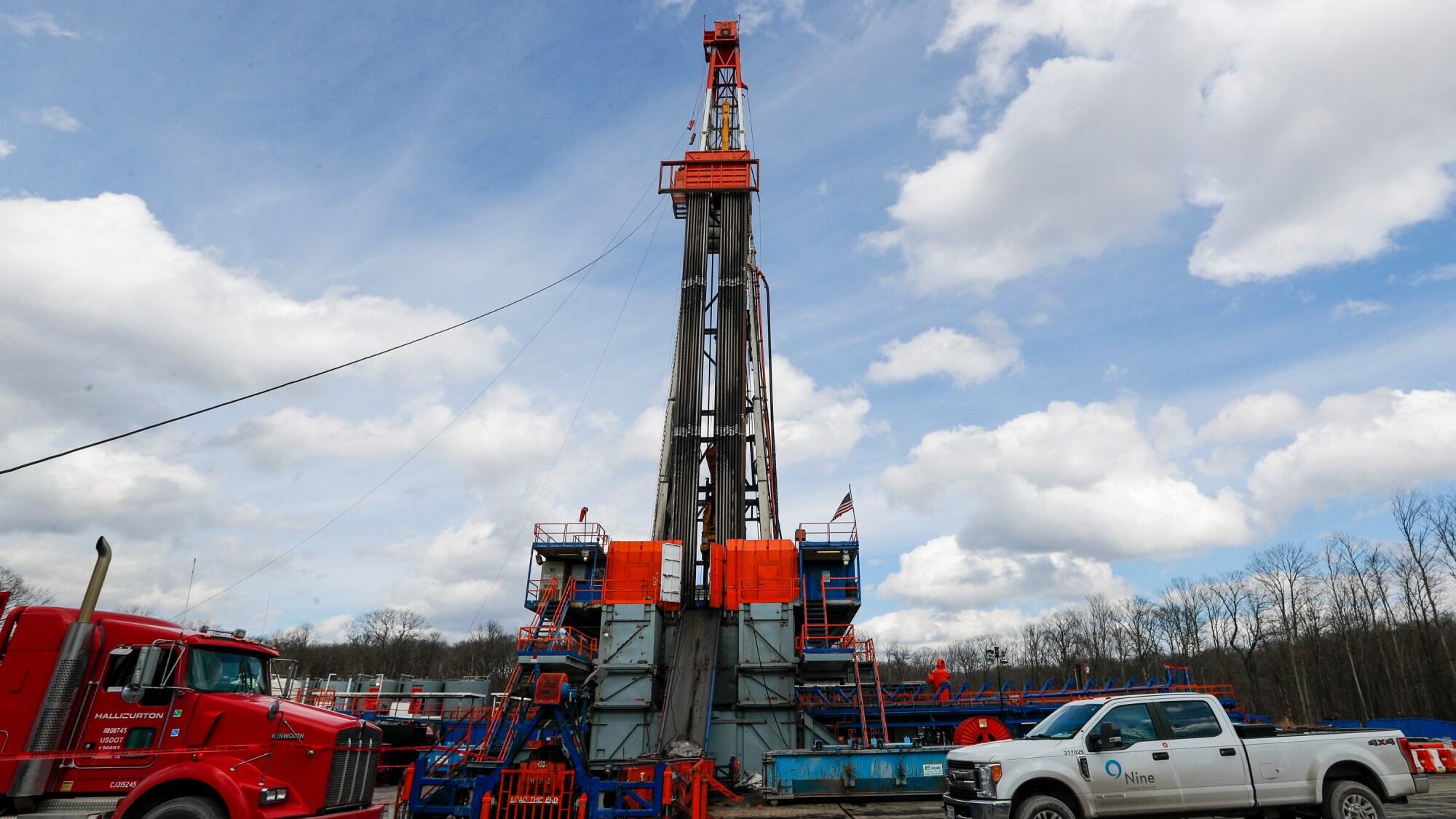
Children who lived closer to natural gas wells in heavily drilled western Pennsylvania were more likely to develop a relatively rare form of cancer, and nearby residents of all ages had an increased chance of severe asthma reactions, researchers said in reports released Tuesday evening.
The taxpayer-funded research by the University of Pittsburgh adds to a body of evidence suggesting links between the gas industry and certain health problems.
In the reports, the researchers found what they called significant associations between gas industry activity and two ailments: asthma, and lymphoma in children, who are relatively rarely diagnosed with this type of cancer.
The researchers were unable to say whether the drilling caused the health problems, because the studies weren’t designed to do that. Instead, the researchers combed health records to try to determine possible associations based on how close people lived to natural gas wells, while industry groups pointed to what they say are weaknesses of the studies’ assumptions and the limitations of its data.
The reports were released at the start of a Tuesday evening public meeting to discuss the findings, hosted by University of Pittsburgh School of Public Health and the state Department of Health, on the campus of state-owned Pennsylvania Western University.
At the meeting, community activists and distressed parents urged department officials and Pitt researchers to do more to protect public health as gas drilling continues to expand.
Raina Rippel, former director of the Southwest Pennsylvania Environmental Health Project, called the findings the “tip of the toxic iceberg and we are only just beginning to understand what is out there.”
There is, she warned, “a lot more cancer waiting in the wings.”
In the cancer study, researchers found that children who lived within 1 mile (1.6 kilometers) of a well had five to seven times the chance of developing lymphoma compared with children who lived 5 miles (8 kilometers) or farther from a well. That equates to 60 to 84 lymphoma cases per million children living near wells, versus 12 per million among kids living farther away.
For asthma, the researchers concluded that people with the breathing condition who lived near wells were more likely to have severe reactions while gas was being extracted compared with people who don’t live near wells. However, researchers said they found no consistent association for severe reactions during periods when crews were building, drilling and fracking the well.
The four-year, $2.5 million project is wrapping up after the state’s former governor, Democrat Tom Wolf, in 2019 agreed to commission it under pressure from the families of pediatric cancer patients who live amid the nation’s most prolific natural gas reservoir in western Pennsylvania.
An extremely rare form of bone cancer, Ewing sarcoma, had been diagnosed in dozens of children and young adults in a heavily drilled area outside Pittsburgh, and those families were instrumental in pushing Wolf to commission the study.
But the researchers said they found no association between gas drilling and childhood leukemia, brain and bone cancers.
Meanwhile, the researchers said their findings on preterm births and birth weights among families living closer to gas wells echoed the mixed conclusions in similar studies. There were hints that gas production might reduce birth weights by less than an ounce on average.
Edward Ketyer, a retired pediatrician who sat on an advisory board for the study, called the asthma findings a “bombshell.” He said he expected that the studies would be consistent with previous research showing the “closer you live to fracking activity, the increased risk you have of being sick with a variety of illnesses.”
“The biggest question is, why is anybody surprised about that?” said Ketyer, who is president of Physicians for Social Responsibility Pennsylvania.
A number of states have strengthened their laws around fracking and waste disposal over the past decade. However, researchers have repeatedly said that regulatory shortcomings leave an incomplete picture of the amount of toxic substances the industry emits into the air, injects into the ground or produces as waste.
The Pennsylvania-funded study comes on the heels of other studies that found higher rates of cancer, asthma, low birth weights and other afflictions among people who live near drilling fields around the country.
The gas industry has maintained that fracking is safe, and groups reviewing the studies said Tuesday that protecting public health is their highest priority.
The study’s findings are emerging under new Gov. Josh Shapiro, also a Democrat, who succeeded Wolf in January. His administration said Tuesday that it is working on various fronts to improve public health in response to the studies.
The advent of high-volume hydraulic fracturing combined with horizontal drilling miles deep in the ground over the past two decades transformed the United States into a worldwide oil and gas superpower.
But it also brought a torrent of complaints about water and air pollution, and diseases and ailments, as it encroached on exurbs and suburbs in states including Texas, Colorado and Pennsylvania.
Establishing the cause of health problems is challenging.
It can be difficult or impossible for researchers to determine exactly how much exposure people had to pollutants in air or water, and scientists often cannot rule out other contributing factors.
Because of that, environmental health researchers try to gather enough data to gauge risk and draw conclusions.