Tourists in central Athens huddled under mist machines and zoo animals in Madrid were fed fruit popsicles Thursday as southern Europeans suffered through a heat wave that was projected to get much worse heading into the weekend.
Temperatures in parts of Mediterranean Europe were forecast to reach as high as 45 degrees Celsius (113 F) starting Friday.
The high-pressure system affecting the region, which crossed the Mediterranean from north Africa, has been named Cerberus after the three-headed dog in ancient Greek mythology who guarded the gates to the underworld.
Officials in several countries were preparing emergency measures, cellphone alerts and adjustments to staffing levels.
In Athens and other Greek cities, working hours were changed for the public sector and many businesses to avoid the midday heat, while air-conditioned areas were opened to the public.
“It’s like being in Africa,” 24-year-old tourist Balint Jolan, from Hungary, told The Associated Press. “It’s not that much hotter than it is currently at home, but yes, it is difficult.”
Cerberus is being tracked by the European Space Agency, which warned that the heat wave will also be felt in parts of northern Europe.
“Italy, Spain, France, Germany and Poland are all facing a major heat wave, with temperatures expected to climb to 48 degrees Celsius on the islands of Sicily and Sardinia – potentially the hottest temperatures ever recorded in Europe” the agency said Thursday.
In the Arctic, a record high temperature of 28.8 degrees Celsius (83.8 degrees F) was measured at Slettness Fyr on the northern tip of the Norway, Norwegian meteorologists said Thursday. This tops a previous record from July 1964 when the thermometer reached 27.6 degrees Celsius (81.7 degrees F). The United Nation’s World Meteorological Organization on Monday said global temperatures recorded in early July were among the hottest on record. As Spain's politicians fret about how the high temperatures might affect turnout in a general election this month, animals in Madrid’s Zoo were being treated this week to frozen food to cool off amid the sweltering heat. Zookeepers fed pandas and bears with watermelon popsicles, seals with frozen sardines and lions with frozen buckets of meat. Television ads in Italy reminded city dwellers to look after their pets and check in regularly with elderly relatives. Authorities were awaiting an autopsy of a 44-year-old roadworker who collapsed near Milan and later died in hospital. Storms overnight felled trees in an Italian region bordering Slovenia and Austria, while baseball size hail fell in valleys near Bergamo in Lombardy.
Rainfall provided some respite in Croatia, but evacuation orders were issued in several areas as a wildfire swept through coastal areas of the country. In North Macedonia, the high heat triggered a spike in emergency calls for health assistance, while residents in Kosovo, which is also landlocked, flocked to an artificial beach near the capital Pristina. Authorities in Cyprus urged the Mediterranean island's residents to avoid forest areas where wildfires could be caused unintentionally.
Meanwhile, emergency services in nearby Turkey also grappled with simultaneous fires and floods. Flooding in the northern Black Sea coast claimed three lives. In the southwest Milas region, 26 water-dropping planes and helicopters helped 600 firefighters contain a wildfire. “While there are heat and fires on one side of the country, there are floods and deluges on the other,” Turkish Deputy Agriculture Minister Veysel Tiryaki said Thursday. "In our country as well as around the world, we are struggling with climate change." ___ Ciaran Giles reported from Madrid. Jovana Gec on Belgrade, Serbia Srdjan Nedeljkovic in Athens, Menelaos Hadjicostis in Nicosia Cyprus, Jan M. Olsen in Copenhagen, Denmark, Andrew Wilks in Ankara, Turkey, Konstantin Testorides in Skopje, North Macedonia, Colleen Barry in Milan, Italy and Florent Bajrami in Pristina, Kosovo contributed.
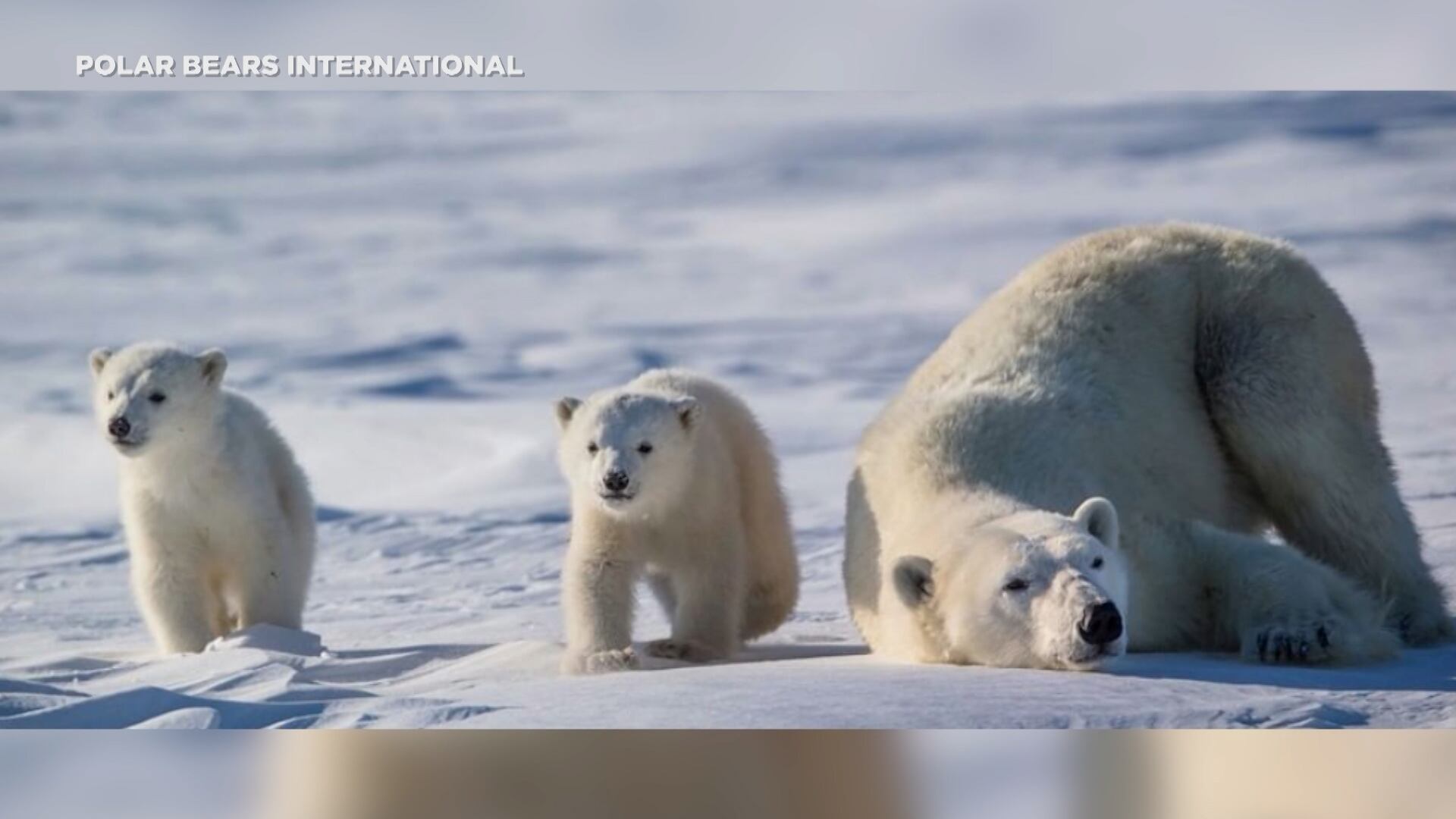
Alysa McCall, director of conservation outreach and staff scientist at Polar Bears International, joined Cheddar to discuss the ongoing fight to protect polar bears from extinction while world leaders gathered to discuss the climate crisis. McCall explained her organization's mission "to ensure the long term survival of polar bears by helping ensure their arctic sea ice habitat remains intact." McCall said she hopes actionable steps are taken after the UN climate summit to mitigate the crisis and not just more promises.
Moderna reported a massive miss on revenue in its Q3 earnings, taking in $5 billion versus the expected $6.21 billion despite sales of the COVID-19 vaccine. The pharmaceutical giant's stock dropped sharply on the news.
Carlo and Baker discuss the fallout from Tuesday's election and the flashing warning sign for Dems ahead of the midterms. Also, a big 2A case at the Supreme Court, Aaron Rodgers has Covid and is in big trouble, and a first for the MCU.
Carlo and Baker discuss the election results across the country, including a Republican comeback in Virginia -- and possibly NJ -- plus the CDC gives the go-ahead for child vaccinations, Atlanta wins the World Series and more.
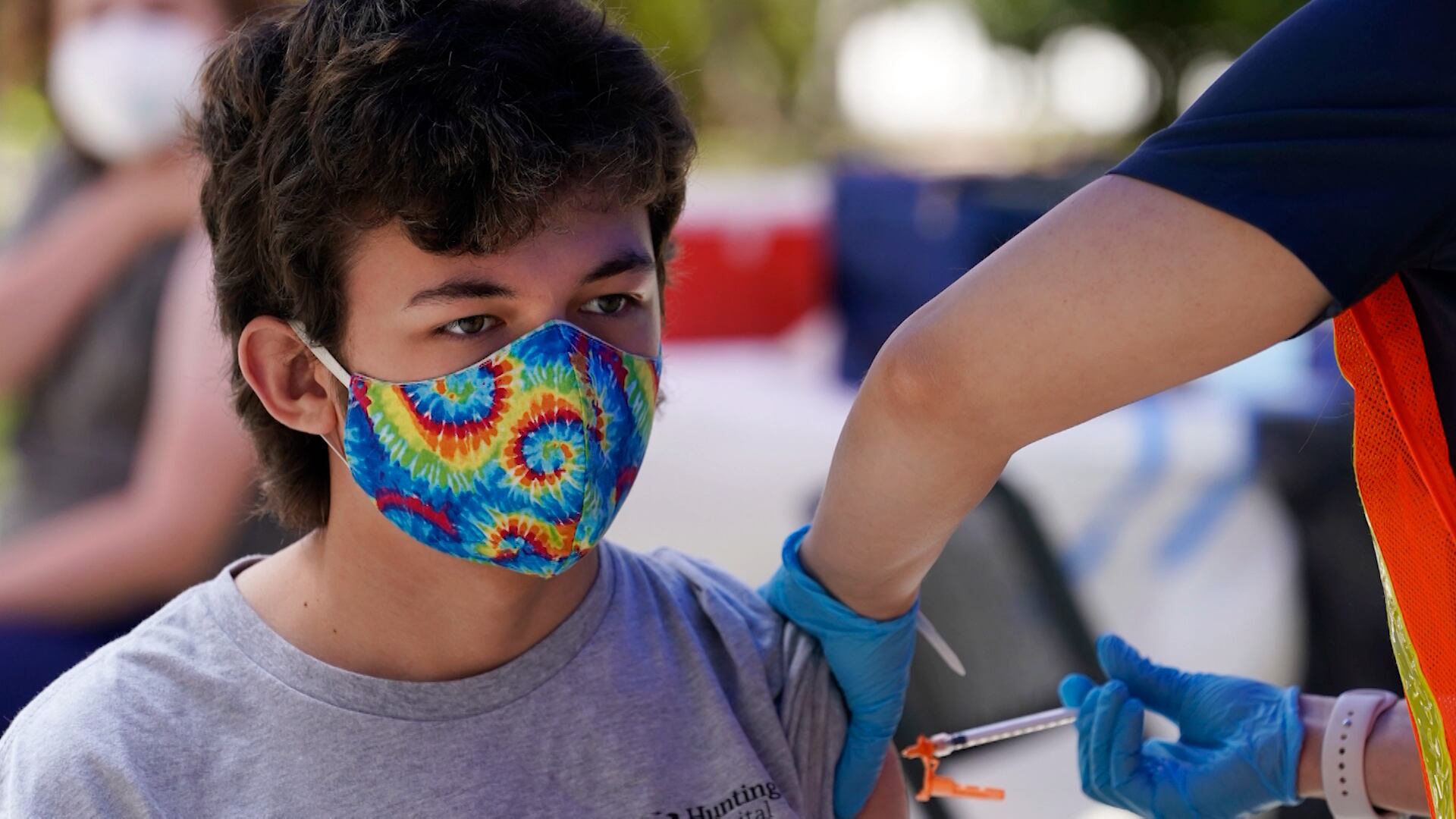
Dr. Julie Morita, executive vice president of Robert Wood Johnson Foundation, joined Cheddar to discuss the CDC advisory panel recommending the Pfizer vaccine for children ages 5-11. "We've seen many millions of children getting sick, many hospitalized, many dying because of COVID," Morita said. "And so now we have a new tool that we can use to keep our children safe." She also noted that hesitancy among parents about vaccinating their children will likely fade in time as the childhood vaccine program gets underway.
Matthew Oxenford, Analyst at the Economist Intelligence Unit, joins a special edition of Cheddar Climate, where he discusses the responsibilities big businesses across multiple sectors have when it comes to combating the effects of climate change around the world.
President Joe Biden introduced the Global Methane Pledge on the second day of the United Nations climate summit. The U.S. and the European Union will lead the way when it comes to methane emissions reductions, and close to 100 nations have also signed on. It's seen as the fastest way to slow down global warming and keep nations on track toward meeting the goal of keeping warming just 1.5 degrees Celsius above late 1800s atmospheric levels. Dr. Sweta Chakraborty, U.S. President of climate-focused startup 'We Don't Have Time' joins Cheddar Climate to discuss the importance of the Biden administration's methane regulations -- and the importance of U.S. leadership when it comes to climate issues.
John Paul Mejia, the national spokesperson for the Sunrise Movement, joined Cheddar to talk about what the youth activist group wants to see from President Joe Biden as he attends the COP26 climate summit. Mejia admonished the president for having little to deliver on his own climate agenda domestically while at the conference. "We need the president to follow through with his promises because, frankly, it's a matter of life or death not only for communities here in the United States but also those looking to us around the world," he said.
With COP26 kicking off, roughly 120 world leaders and delegates are in Glasgow, Scotland to hold climate talks this week. As experts continue to warn about the dangers of climate change, ESG investing is more important than ever.
Georges Archibald, Head of Apex Americas at Apex Group joined Cheddar's Opening Bell to discuss.
Roughly 20,000 heads of state, diplomats, and activists will gather in person starting Oct. 31 to address the threat of climate change. The summit, known as COP26, is seen as a crucial step in getting the crisis under control as scientists warn global warming is only getting worse. Carroll Muffett, President and CEO of the Center for International Environmental Law, joined Cheddar to explain the goals of COP26 and why it's so crucial for the world leaders to step up and make new, aggressive climate commitments.