Tourists in central Athens huddled under mist machines and zoo animals in Madrid were fed fruit popsicles Thursday as southern Europeans suffered through a heat wave that was projected to get much worse heading into the weekend.
Temperatures in parts of Mediterranean Europe were forecast to reach as high as 45 degrees Celsius (113 F) starting Friday.
The high-pressure system affecting the region, which crossed the Mediterranean from north Africa, has been named Cerberus after the three-headed dog in ancient Greek mythology who guarded the gates to the underworld.
Officials in several countries were preparing emergency measures, cellphone alerts and adjustments to staffing levels.
In Athens and other Greek cities, working hours were changed for the public sector and many businesses to avoid the midday heat, while air-conditioned areas were opened to the public.
“It’s like being in Africa,” 24-year-old tourist Balint Jolan, from Hungary, told The Associated Press. “It’s not that much hotter than it is currently at home, but yes, it is difficult.”
Cerberus is being tracked by the European Space Agency, which warned that the heat wave will also be felt in parts of northern Europe.
“Italy, Spain, France, Germany and Poland are all facing a major heat wave, with temperatures expected to climb to 48 degrees Celsius on the islands of Sicily and Sardinia – potentially the hottest temperatures ever recorded in Europe” the agency said Thursday.
In the Arctic, a record high temperature of 28.8 degrees Celsius (83.8 degrees F) was measured at Slettness Fyr on the northern tip of the Norway, Norwegian meteorologists said Thursday. This tops a previous record from July 1964 when the thermometer reached 27.6 degrees Celsius (81.7 degrees F). The United Nation’s World Meteorological Organization on Monday said global temperatures recorded in early July were among the hottest on record. As Spain's politicians fret about how the high temperatures might affect turnout in a general election this month, animals in Madrid’s Zoo were being treated this week to frozen food to cool off amid the sweltering heat. Zookeepers fed pandas and bears with watermelon popsicles, seals with frozen sardines and lions with frozen buckets of meat. Television ads in Italy reminded city dwellers to look after their pets and check in regularly with elderly relatives. Authorities were awaiting an autopsy of a 44-year-old roadworker who collapsed near Milan and later died in hospital. Storms overnight felled trees in an Italian region bordering Slovenia and Austria, while baseball size hail fell in valleys near Bergamo in Lombardy.
Rainfall provided some respite in Croatia, but evacuation orders were issued in several areas as a wildfire swept through coastal areas of the country. In North Macedonia, the high heat triggered a spike in emergency calls for health assistance, while residents in Kosovo, which is also landlocked, flocked to an artificial beach near the capital Pristina. Authorities in Cyprus urged the Mediterranean island's residents to avoid forest areas where wildfires could be caused unintentionally.
Meanwhile, emergency services in nearby Turkey also grappled with simultaneous fires and floods. Flooding in the northern Black Sea coast claimed three lives. In the southwest Milas region, 26 water-dropping planes and helicopters helped 600 firefighters contain a wildfire. “While there are heat and fires on one side of the country, there are floods and deluges on the other,” Turkish Deputy Agriculture Minister Veysel Tiryaki said Thursday. "In our country as well as around the world, we are struggling with climate change." ___ Ciaran Giles reported from Madrid. Jovana Gec on Belgrade, Serbia Srdjan Nedeljkovic in Athens, Menelaos Hadjicostis in Nicosia Cyprus, Jan M. Olsen in Copenhagen, Denmark, Andrew Wilks in Ankara, Turkey, Konstantin Testorides in Skopje, North Macedonia, Colleen Barry in Milan, Italy and Florent Bajrami in Pristina, Kosovo contributed.
2021 was an exciting year for space innovations, but 2022 could hold even more in store. Cheddar took a deep dive into the space mission on tap for the year ahead.
The United States purchased over 600,000 doses of a monoclonal antibody treatment from Glaxosmithkline and Vir Biotechnology, bringing the total worldwide doses purchased to 1.7 million. This comes as the country attempts to ramp up treatment options as cases of the omicron variant continue to surge. Dr. Asha Shah, Director of Infectious Diseases at Stamford Health joined Cheddar's Opening Bell to discuss.
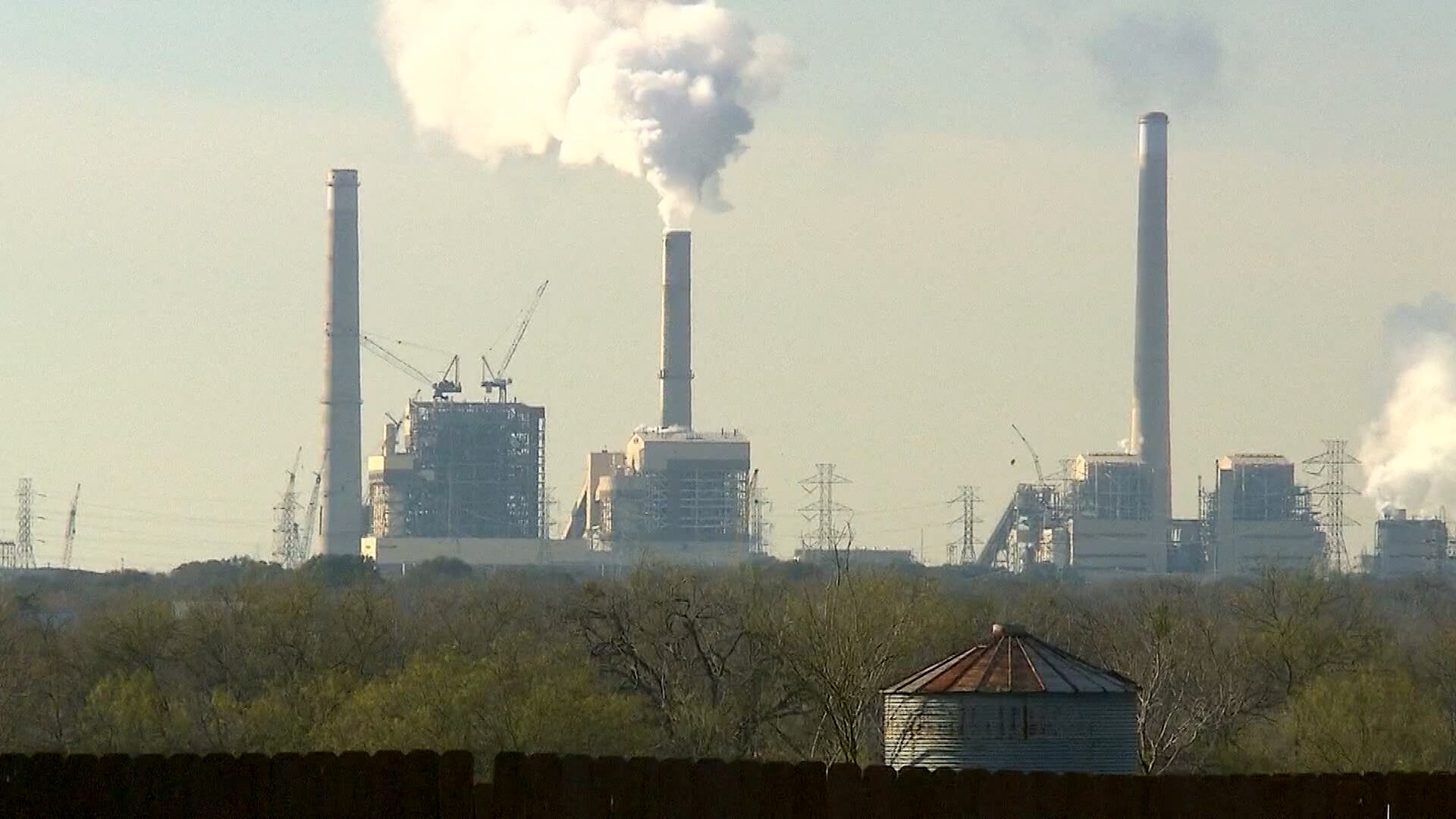
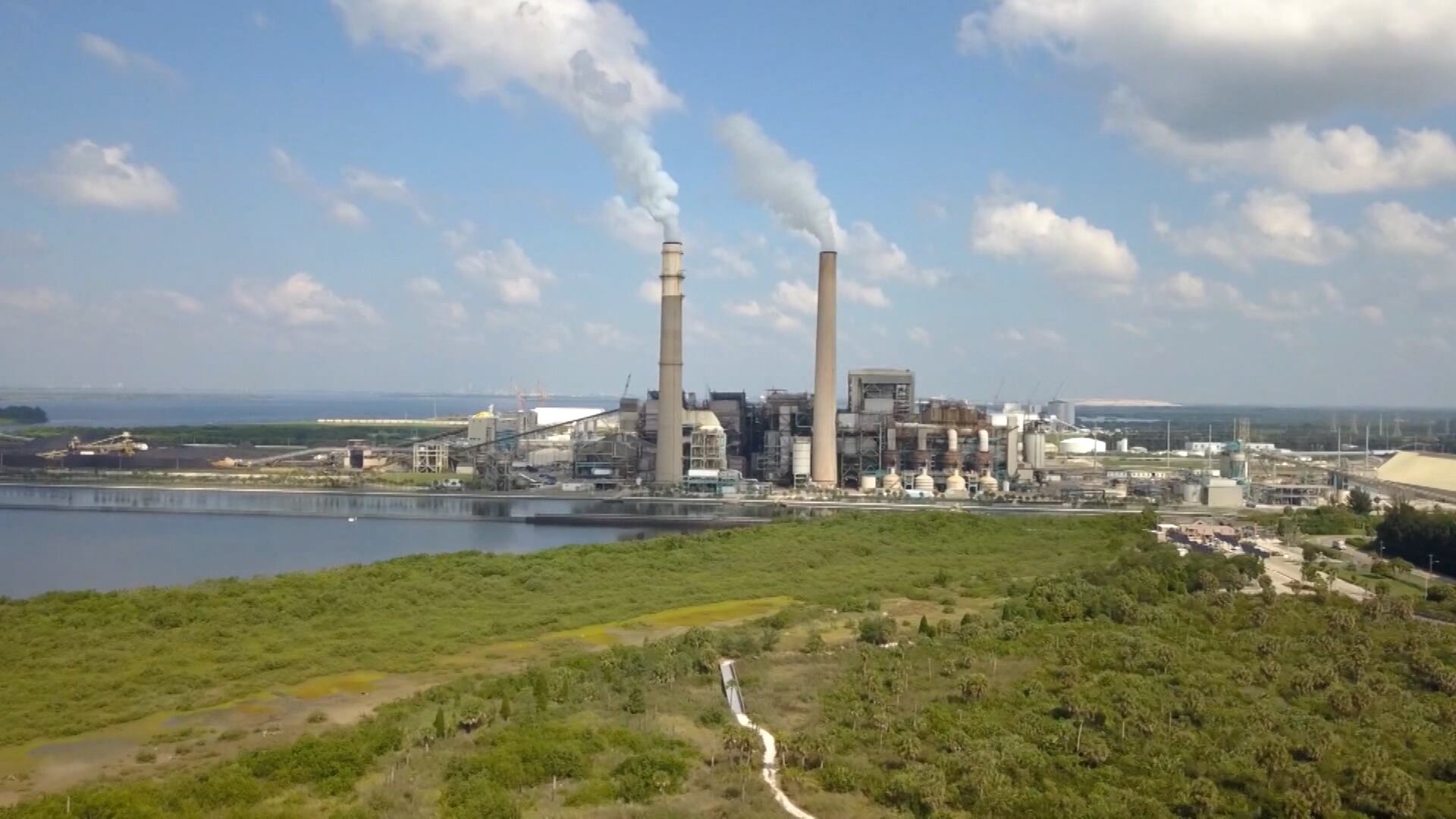
As the pandemic slammed the brakes on the nation's economy in 2020, America's greenhouse gas emissions reached their lowest levels in at least three decades. However, as the world, and the economy re-opened, 2021 told a much different story as emissions surged. Biden's flagship 'Build Back Better' act involves billions in spending on electric cars and renewables, in an effort to cut U.S. emissions, experts are still skeptical that the nation will meet the current 2030 target. Andrew Dessler, professor of atmospheric sciences at Texas A&M University, joins Cheddar News.
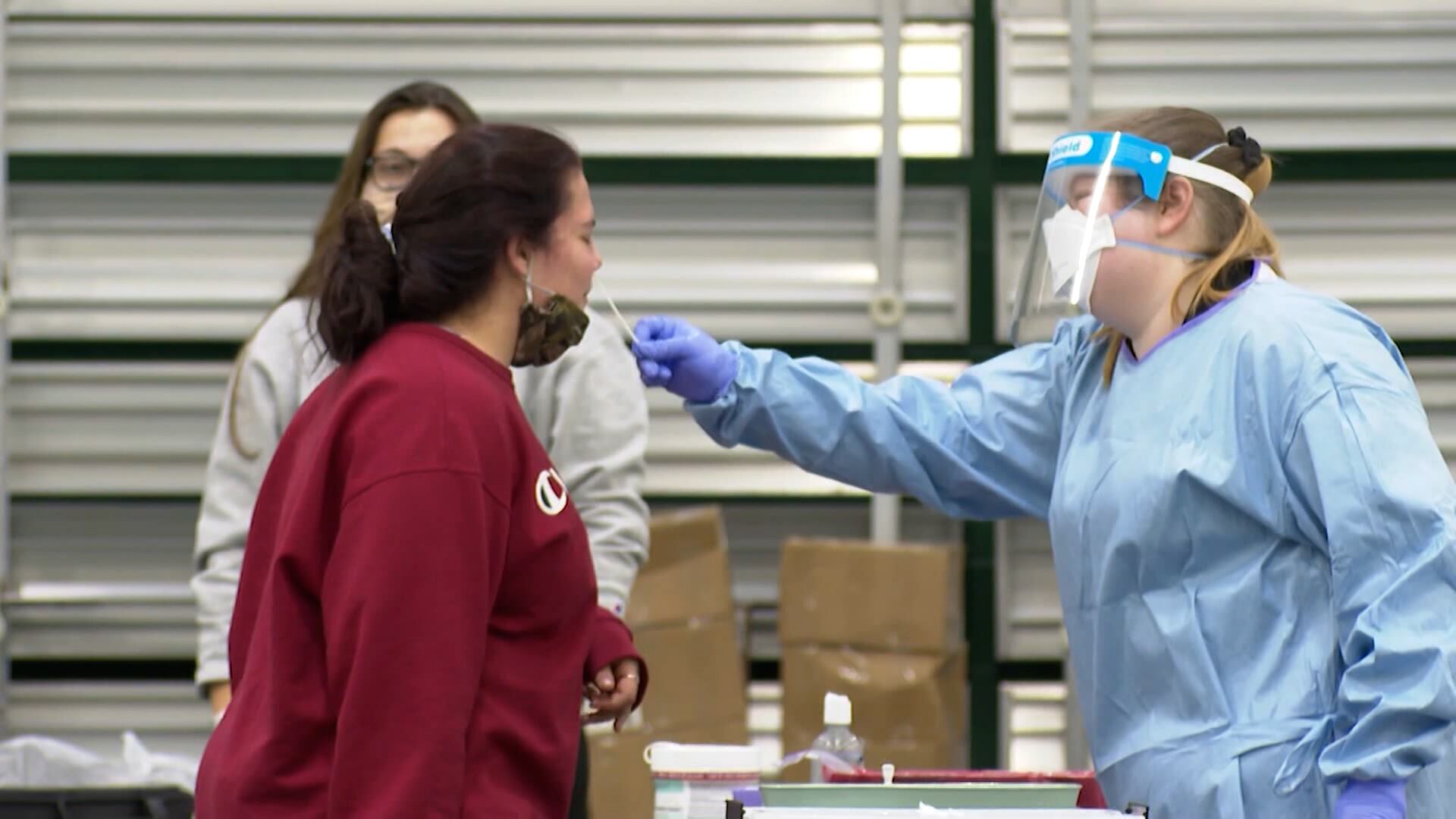
Amid the omicron surge, a new debate has emerged about whether or not throat swabs are more effective than nasal swabs for COVID testing. Dr. William Schaffner, MD, professor of infectious diseases, Vanderbilt Medical Center, sat down with Cheddar's News Wrap to weigh in on the dispute. "Should there be a change? You've got to do the studies, show that in the field [a throat swab] works as well or better than the nasal specimen," he said. "Let's not do it off our hips, as we say."
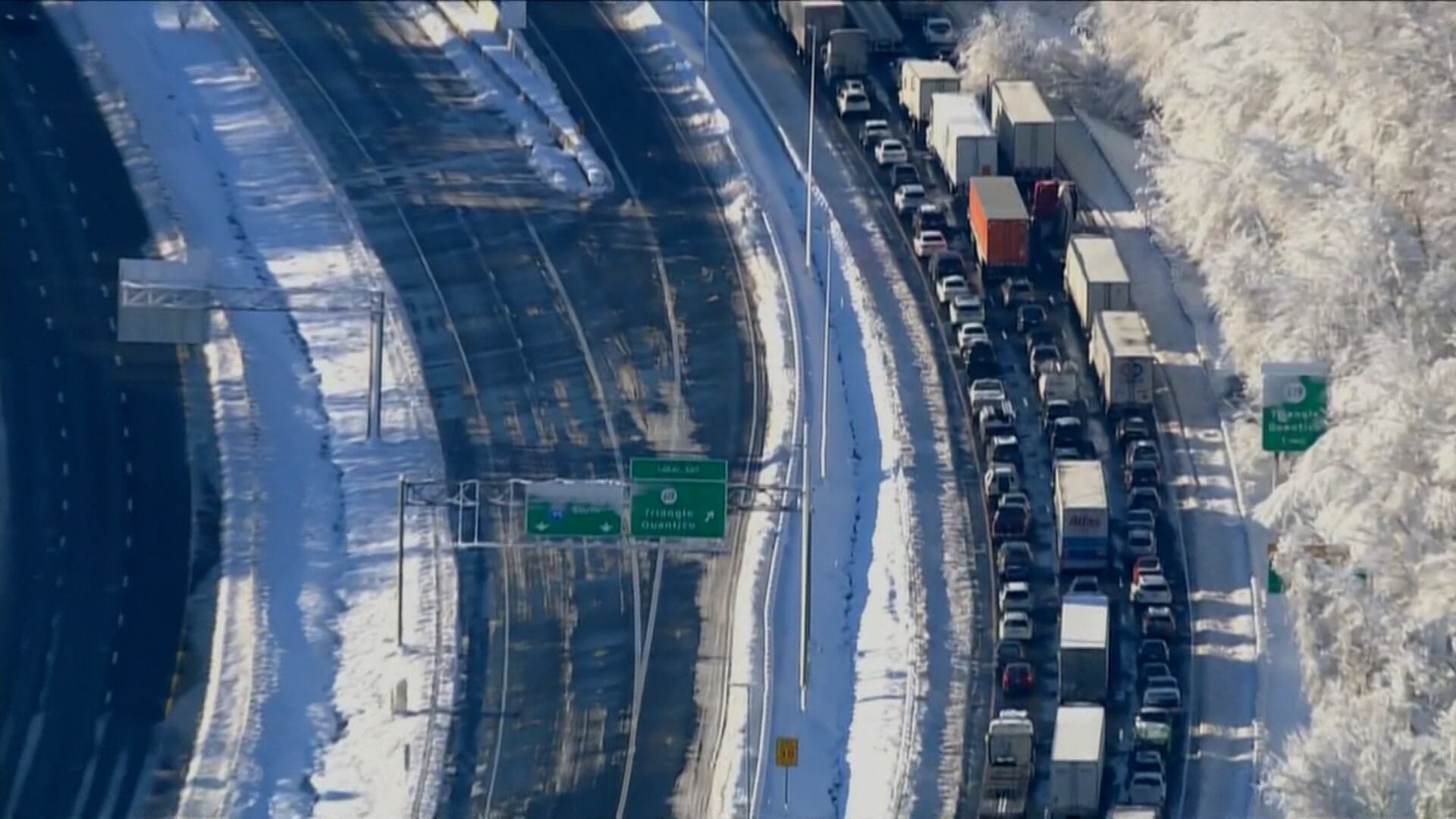
Virginia Governor Ralph Northam is declaring a state of emergency after Monday's winter storm left hundreds of drivers stranded on the interstate for more than 24 hours.
The snow also knocked out power for many residents, with more than 100,000 outages remaining days later.
Michael Wehner, a climate scientist at Lawrence Berkeley national laboratory, discusses recent weather disasters.
As the need for COVID-19 testing increases, so does the price of the tests themselves. An agreement with The White House and several major companies to sell the tests at a lower cost has now expired, sending prices up as retailers struggle to keep kits on shelves. Dr. Thomas McGinn, executive VP of physician enterprise at Common Spirit Health, joins Cheddar News to discuss.
A new report shows 2021 saw a surge in U.S. greenhouse gas emissions, indicating that the country remains far off track from meeting President Biden's climate change targets. Biden previously pledged to cut the nation's emissions in half by 2030, and now experts warn that immediate action must be taken in order to get the nation back on track. Zeke Hausfather, director of climate and energy at The Breakthrough Institute on U.S. Emissions and Global Temperatures, joins Cheddar News to discuss.
Electric vehicles are quickly becoming an accessible way for consumers to slash emissions as legacy automakers begin to electrify their fleets and world leaders including President Joe Biden push for broad EV adoption. But consumers have concerns about EV range, the availability of charging stations, and more. What if it were both helpful to consumers — and feasible from a climate change standpoint — to keep hybrid models that run on gas on the market? Gill Pratt, CEO of the Toyota Research Institute & Toyota Motor Corporation's Chief Scientist joins Cheddar Climate to discuss his team's research about 'carbon return on investment,' how Toyota is electrifying its fleet, and more.
According to a recent analysis compiled by The Washington Post, more than four in 10 Americans lived in areas hit by climate-related disasters in 2021. Jonathan Porter, Chief Meteorologist at AccuWeather, joined Cheddar Climate to discuss what this means and what can be done to prevent severe weather events from becoming even worse.
It's a painfully cold week across a large portion of the U.S. with more than 185 million Americans experiencing below-freezing temperatures on Monday and 10 million of them dealing with dangerous sub-zero temps.