By Christopher Rugaber
Even after inflation has steadily eased this year, the Federal Reserve's policymakers still think prices are rising too fast and are almost certain to lift their key interest rate by a quarter-point on Wednesday.
A rate increase, the 11th in 17 months, would raise the Fed's short-term rate to roughly 5.3%, the highest level since 2001. As with its previous rate hikes, Wednesday's increase would likely further elevate the costs of mortgages, auto loans, credit cards and business borrowing.
Another hike is widely expected despite a run of encouraging news that has sent stock prices steadily higher, boosted consumer confidence and brightened hopes that the Fed can pull off a difficult “soft landing,” in which inflation would continue to slow toward the Fed’s 2% target without sending the economy tumbling into a recession.
Inflation amounted to just 3% in June compared with a year earlier, down drastically from a peak of 9.1% in June of last year. Consumers are still spending more — crowding airplanes, traveling overseas and flocking to concerts and movie theaters. Businesses keep hiring, and the unemployment rate has stayed near half-century lows.
Yet the Fed's expected rate hike Wednesday, after it chose to skip a rate increase last month, points to the dangers that remain. Underlying inflation is still well above the Fed's target. A price gauge that excludes volatile food and energy costs, known as “core” inflation, rose 4.8% in June compared with 12 months earlier. As long as such measures stay elevated, Fed officials will feel compelled to keep rates high — and possibly raise them further.
In June, the policymakers signaled that they expected to impose two more increases, including Wednesday's expected hike. Some economists have said they worry that too many hikes could trigger a painful recession.
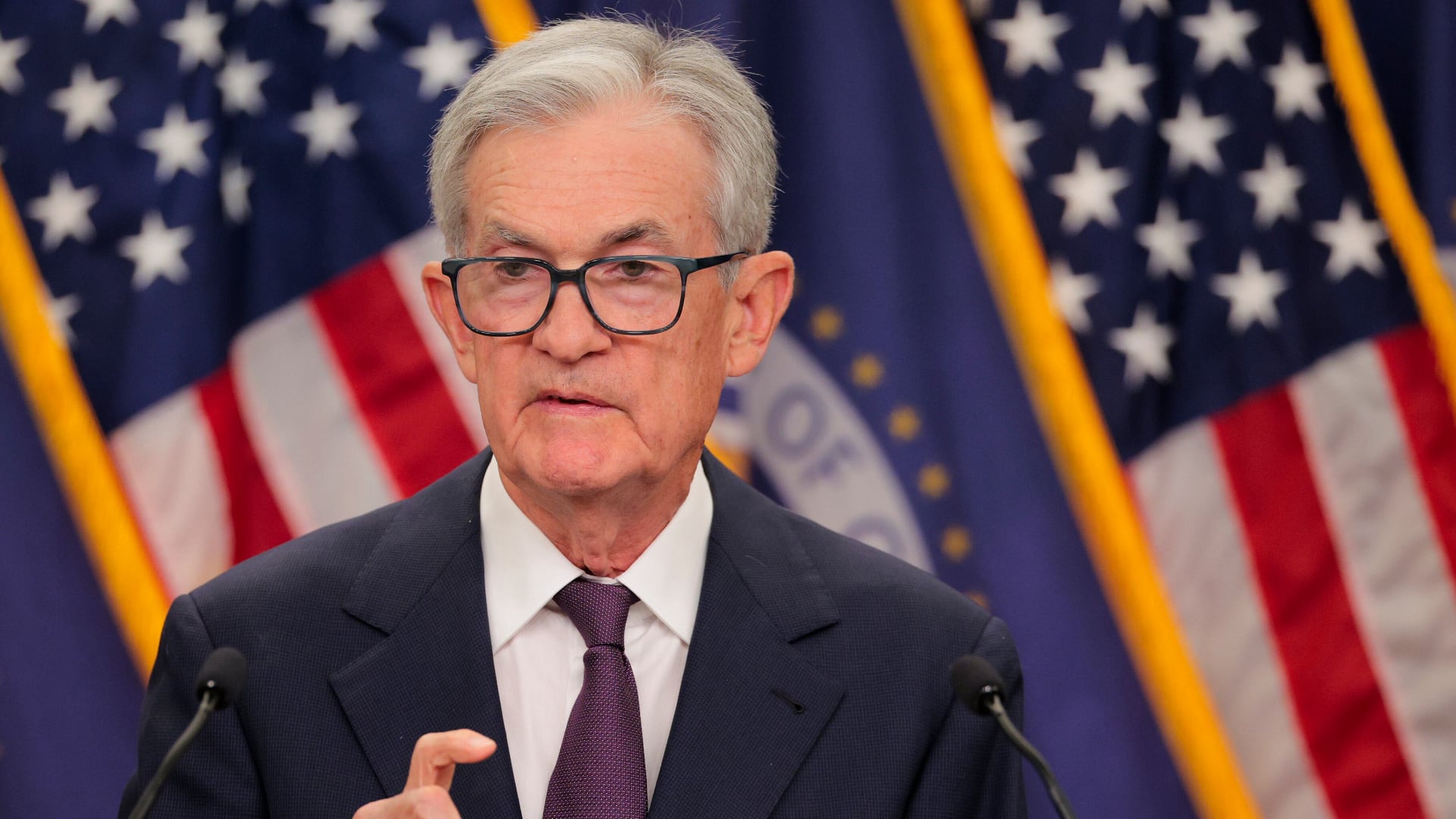
The big question that Chair Jerome Powell will likely face at a news conference Wednesday is whether and when the Fed may decide to stop lifting rates. Few expect Powell to tip his hand. Instead, he will probably stress that the Fed's future rate decisions will hinge on what signs the economy sends between now and its next meeting Sept. 19-20.
By then, the policymakers will have much more information. In particular, the government will have released two more monthly inflation reports, two more reports on hiring and unemployment and additional data on consumer spending and wages.
And in late August, Powell will speak at the annual gathering of central bankers in Jackson Hole, Wyoming, which is typically a high-profile opportunity to signal shifts in Fed policy or strategy.
“He's going to save a lot of what he's going to say for Jackson Hole,” said Ellen Meade, a Duke University economics professor and former top Fed economist. “At Jackson Hole, Powell can provide a broad perspective, take stock and outline the thinking on what comes next.”
Though Powell has stressed that interest rate decisions will be made on a meeting-by-meeting basis, some analysts think the Fed will end up forgoing a hike at its September meeting, similar to its decision to skip an increase in June. The officials would then have the option of imposing a quarter-point hike at their following meeting in November.
Yet by then, most economists think inflation — and the economy — will have cooled enough that another hike won't be needed. If so, Wednesday's rate increase would end up being the final one this year.
The Fed started tightening credit before many of its counterparts in other developed countries. But most others are now following a similar path. The European Central Bank is expected to announce its own quarter-point rate hike on Thursday. Though inflation has declined in the 20 countries that use the euro, it remains higher there than in the United States.
The Bank of Japan is expected to keep its policies unchanged when it meets next week even though prices are creeping higher in that country after roughly two decades of declining prices. The Bank of England has been among the most aggressive in Europe, having raised its key rate last month by a surprise half-point to a 15-year high of 5%. In the U.K., inflation, which has stayed persistently high, reached 8.7% in May from a year earlier.
On Friday, the U.S. government is expected to release fresh data on consumer spending in June and an update on the Fed's preferred inflation gauge. The inflation measure is expected to slow to just 3% compared with a year earlier. That would be the same figure most recently reported for the government's better-known consumer price index. And it would be down sharply from a 3.8% year-over-year increase in May.