The future of viewing is here, and it’s being projected into your living room.
“We've seen a lot of the projector market is increasing,” said Stephen Coppola, Samsung senior director of product marketing for lifestyle screens. “We've got our ultra short throw devices named The Premiere. That's giving people the ability to bring that cinematic experience into their home without having to invest in redoing their entire room, rewiring the ceilings. You can actually set it out on your own furniture.”
Samsung’s The Premiere line lets people put a VCR-sized rectangular device on the ground, close the wall, and project high-quality images. Viewing surface can reach up to 150 inches in up to 8K quality. If your streaming service doesn’t provide that high-quality content, the machine automatically upscales the TV show or movie so you don’t lose that picture quality.
But, If you’re looking for something a bit more portable, the Freestyle packs a lot of bang in a small-sized package. The device, which looks like a tiny table lamp, can project a screen up to 100 inches. You can also put two together to get a larger-than-life viewing experience.
“If you're not ready to put screens — stationary or on the wall or in the furniture in every room or outside — you can have the Freestyle go from 30 to 100 inches,” he said. “You can project it on the ceiling to project it on the walls, wherever you want.”
All the projectors come with access to Samsung Gaming Hub, its streaming services or gamers, as well as Samsung TV Plus, its free, ad-supported platform for TV shows and movies.
To move your online content to a screen at home, The Frame allows you to display painting-like quality images on your screen when it's not in use. The Sero rotates easily with a rotatable mount, and allows you to easily flip from horizontal to vertical in order to play videos from TikTok, Instagram and more.
“If you're enjoying short-form content, or you're creating your own content, you want to see it on the big screen, you could rotate that horizontal screen vertically and have a look at it on the big screen,” Coppola said. “We're prepared, really, for anything that the future holds.”
But if you want to move past your visual sense, check out AromaJoin. The device allows you to bring scents into your viewing experience, making smell-o-vision a real thing. You can buy about 100 pods, which it combines for different olfactory experiences.
“It's like a soundtrack on a track on the (editing) timeline,” said Nicolas Quelin, AromaJoin marketing and strategy manager. “You put the size you want and signal, and it’s sent to the device.”
So far, entertainment companies, perfume and cosmetic brands, and food brands have worked with the company, which is coming up with a wearable version that will allow people to use it with other devices besides TVs, like VR headsets.
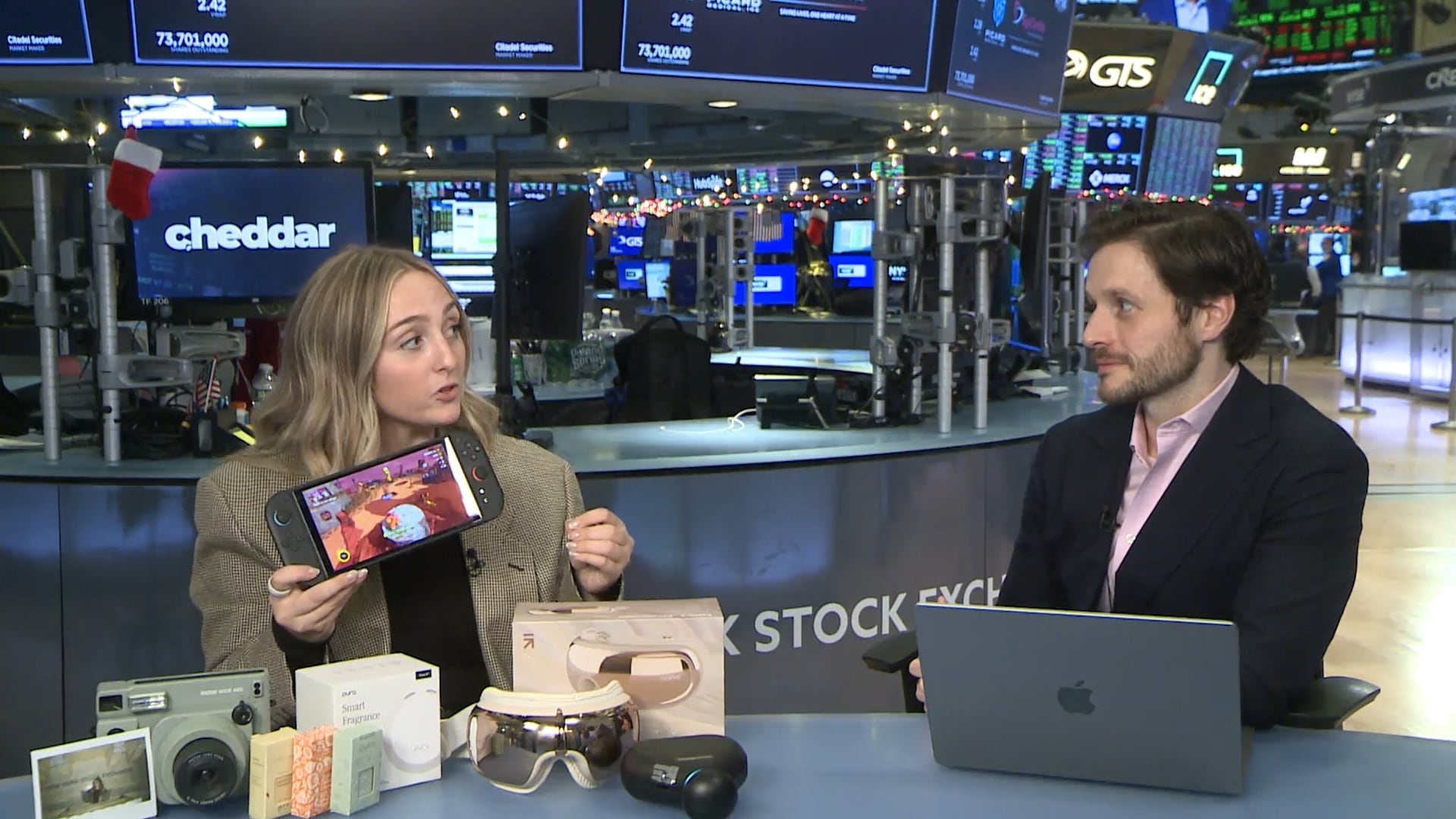
Holiday shopping heats up as Tom’s Guide editor Kate Kozuch reveals the tech gifts everyone wants, from wellness gadgets to gaming buzz—and how to score deals!
Spain's government has fined Airbnb 64 million euros or $75 million for advertising unlicensed tourist rentals. The consumer rights ministry announced the fine on Monday. The ministry stated that many listings lacked proper license numbers or included incorrect information. The move is part of Spain's ongoing efforts to regulate short-term rental companies amid a housing affordability crisis especially in popular urban areas. The ministry ordered Airbnb in May to remove around 65,000 listings for similar violations. The government's consumer rights minister emphasized the impact on families struggling with housing. Airbnb said it plans to challenge the fine in court.
The Islamic State group and other militant organizations are experimenting with artificial intelligence as a tool to boost recruitment and refine their operations. National security experts say that just as businesses, governments and individuals have embraced AI, extremist groups also will look to harness the power of AI. That means aiming to improve their cyberattacks, breaking into sensitive networks and creating deepfakes that spread confusion and fear. Leaders in Washington have responded with calls to investigate how militant groups are using AI and seek ways to encourage tech companies to share more about how their products are being potentially misused.
President Donald Trump has signed an executive order to block states from regulating artificial intelligence. He argues that heavy regulations could stifle the industry, especially given competition from China. Trump says the U.S. needs a unified approach to AI regulation to avoid complications from state-by-state rules. The order directs the administration to draw up a list of problematic regulations for the Attorney General to challenge. States with laws could lose access to broadband funding, according to the text of the order. Some states have already passed AI laws focusing on transparency and limiting data collection.
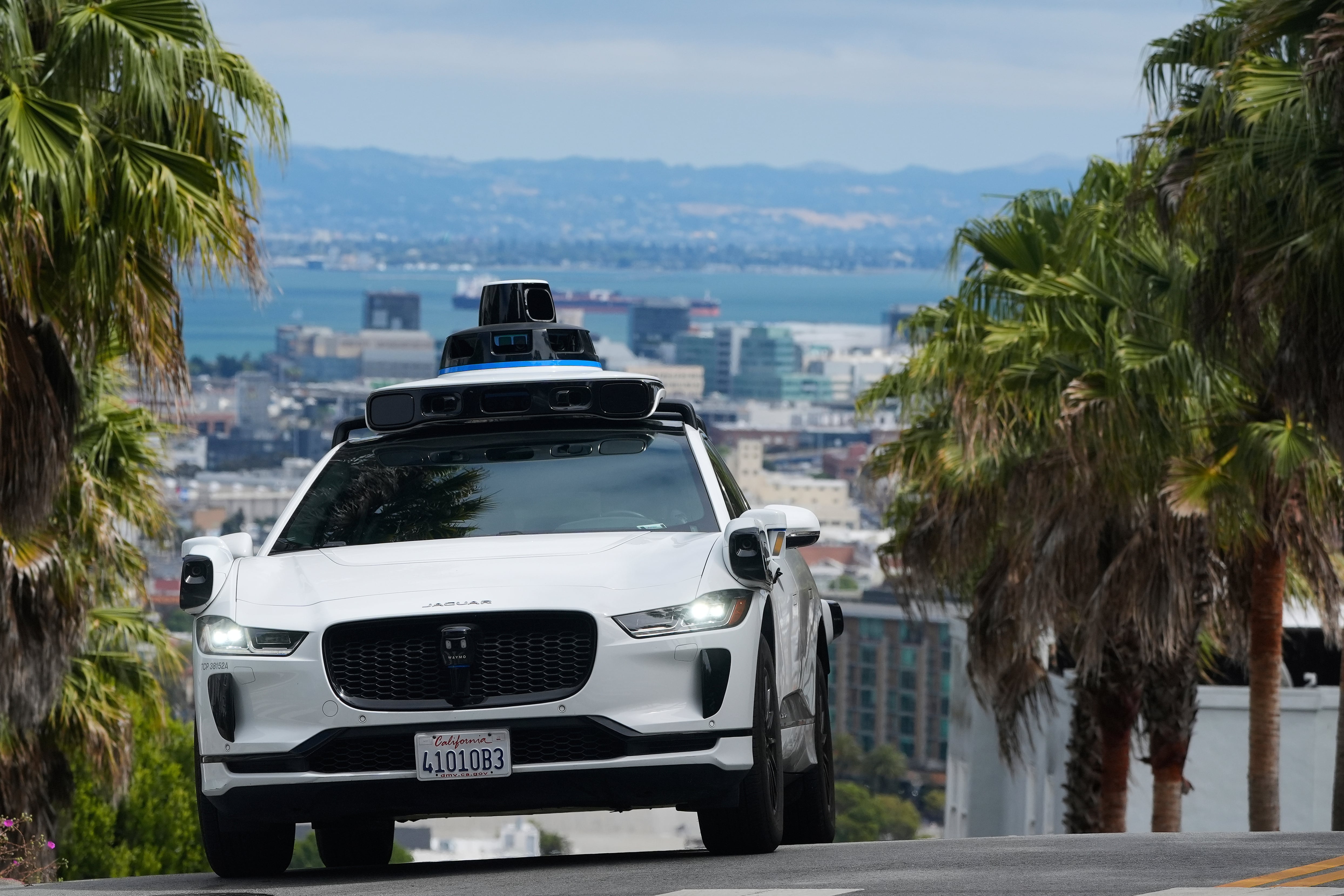
Waymo's self-driving taxis have been in the spotlight for both negative and positive reasons. This week, the automated ride-hailing taxis went viral after a San Francisco woman gave birth inside a Waymo taxi while on her way to the hospital. A Waymo spokesperson on Wednesday confirmed the unusual delivery. It said the company's rider support team detected unusual activity inside the vehicle and alerted 911. The taxi arrived safely at the hospital before emergency services. Waymo's popularity is growing despite heightened scrutiny following an illegal U-turn and the death of a San Francisco cat. The company, owned by Alphabet, says it is proud to serve riders of all ages.
OpenAI has appointed Slack CEO Denise Dresser as its first chief of revenue. Dresser will oversee global revenue strategy and help businesses integrate AI into daily operations. OpenAI CEO Sam Altman recently emphasized improving ChatGPT, which now has over 800 million weekly users. Despite its success, OpenAI faces competition from companies like Google and concerns about profitability. The company earns money from premium ChatGPT subscriptions but hasn't ventured into advertising. Altman had recently announced delays in developing new products like AI agents and a personal assistant.