Rachel Feltman, science editor at PopSci, discusses the recent NASA report that found 2017 was the second warmest year on record, only behind 2016.
Feltman says the warming trend we've seen over the last several years has produced five of the warmest years on record since 2010. We dig into the absence of El Nino and the prevalence of La Nina that caused 2017 to be one of the warmest ever. El Nino is a weather pattern that tends to warm that climate and La Nina brings a pattern of cool air to parts of the globe. Because of this, Feltman says the overall temperature for the year should have been considerably cooler than it was.
We talk about the politics of climate, including President Trump's stance and the partisan nature of the topic. We dig into the climate initiatives spearheaded by various states and industries in the U.S., despite President Trump pulling out of the Paris Climate Agreement.
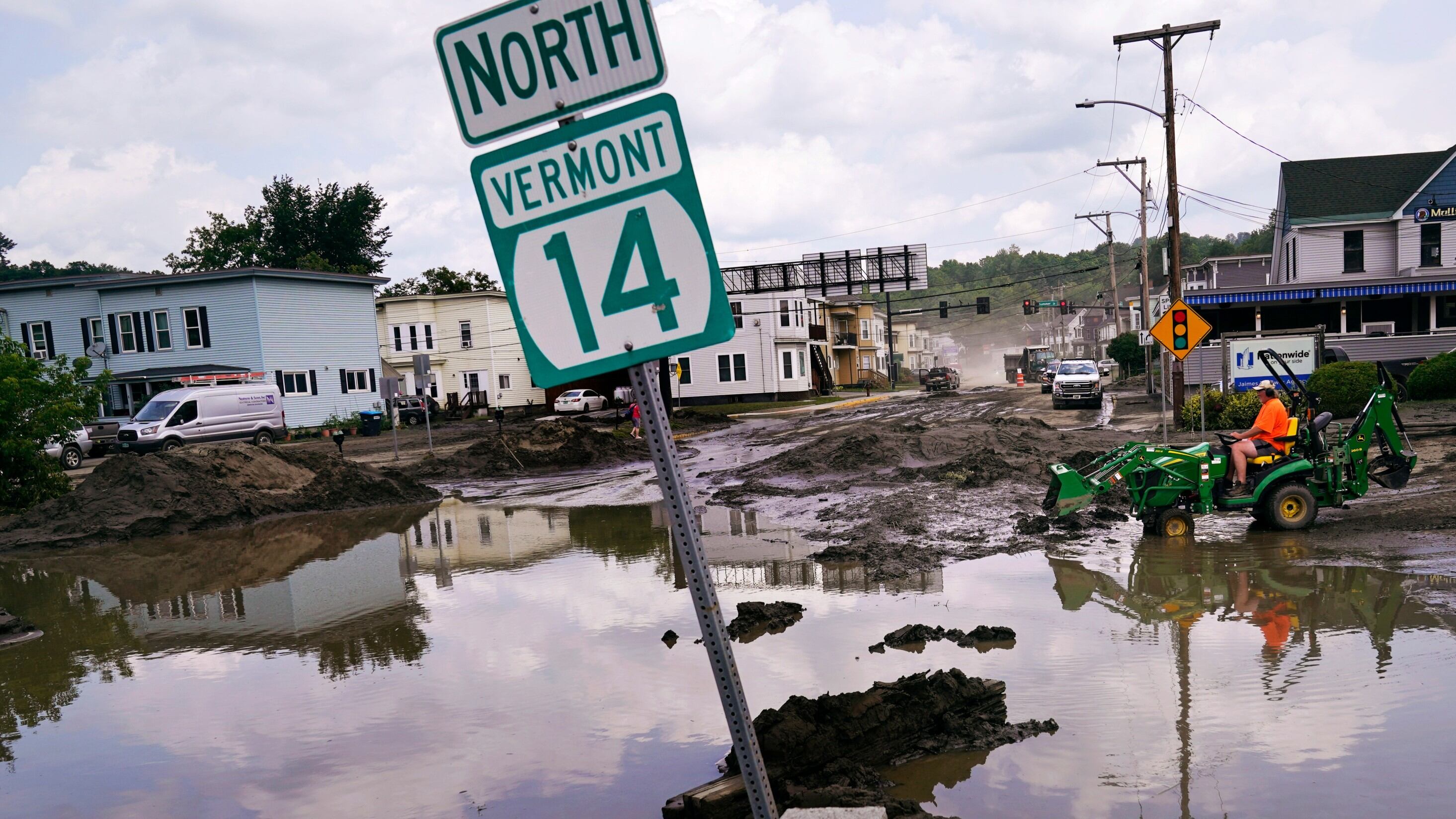
Floodwaters receded in Vermont cities and towns pummeled by a storm that delivered two months of rain in two days, enabling people to focus Wednesday on recovering from a disaster that trapped residents in homes, closed roadways and choked streets and businesses with mud and debris.
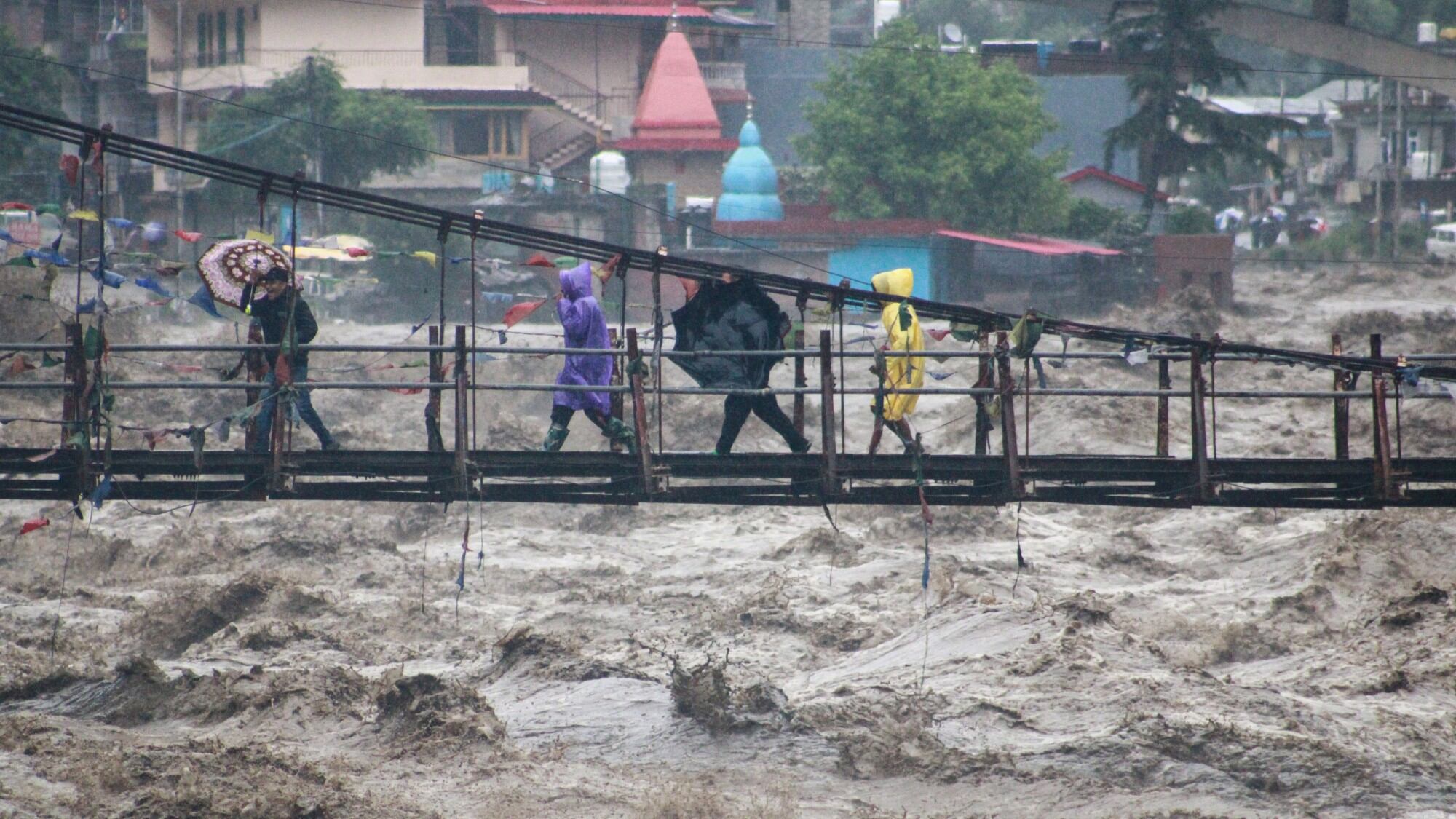
Schools in New Delhi were forced to close Monday after heavy monsoon rains battered the Indian capital, with landslides and flash floods killing at least 15 people over the last three days. Farther north, the overflowing Beas River swept vehicles downstream as it flooded neighborhoods.
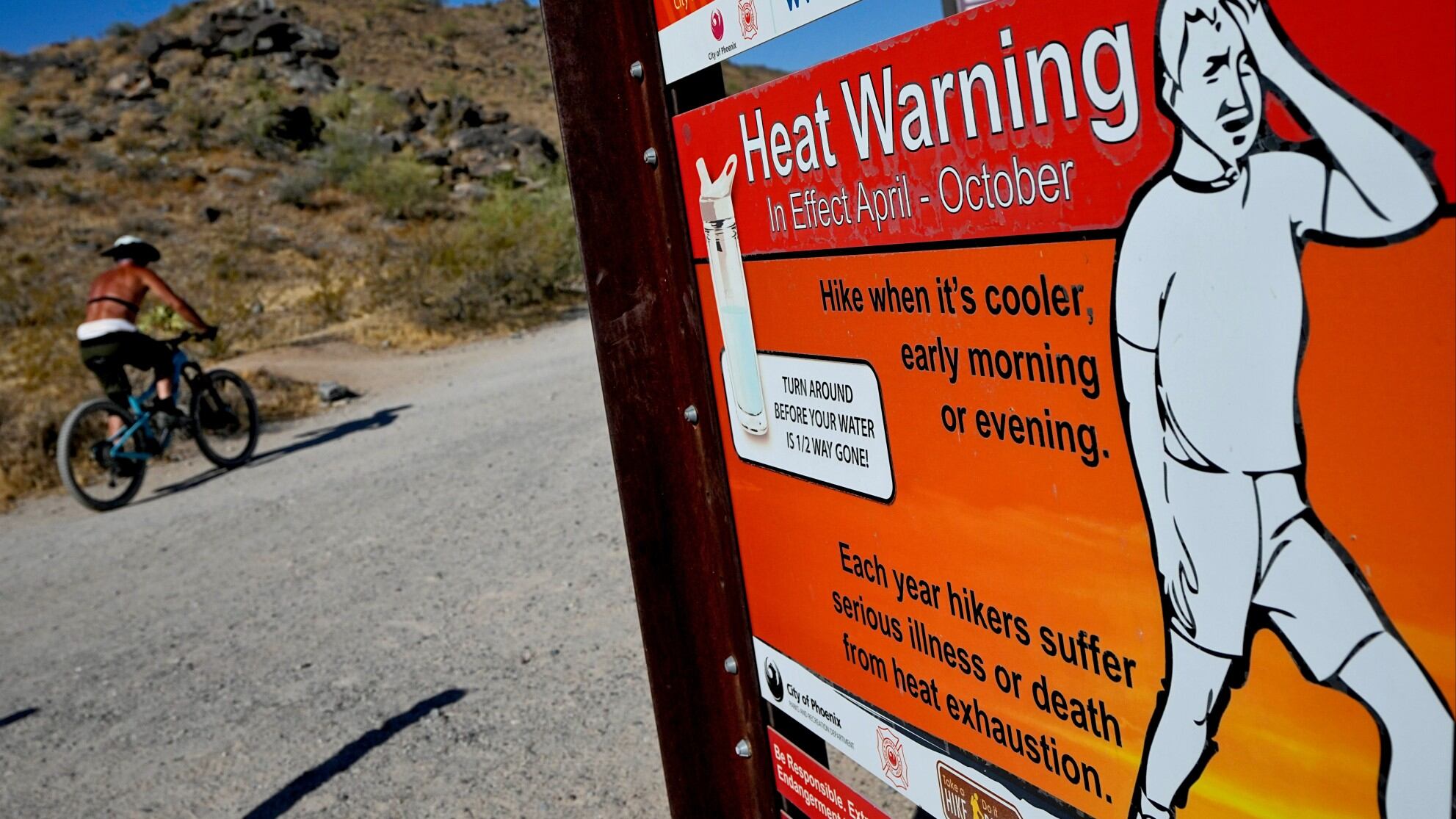
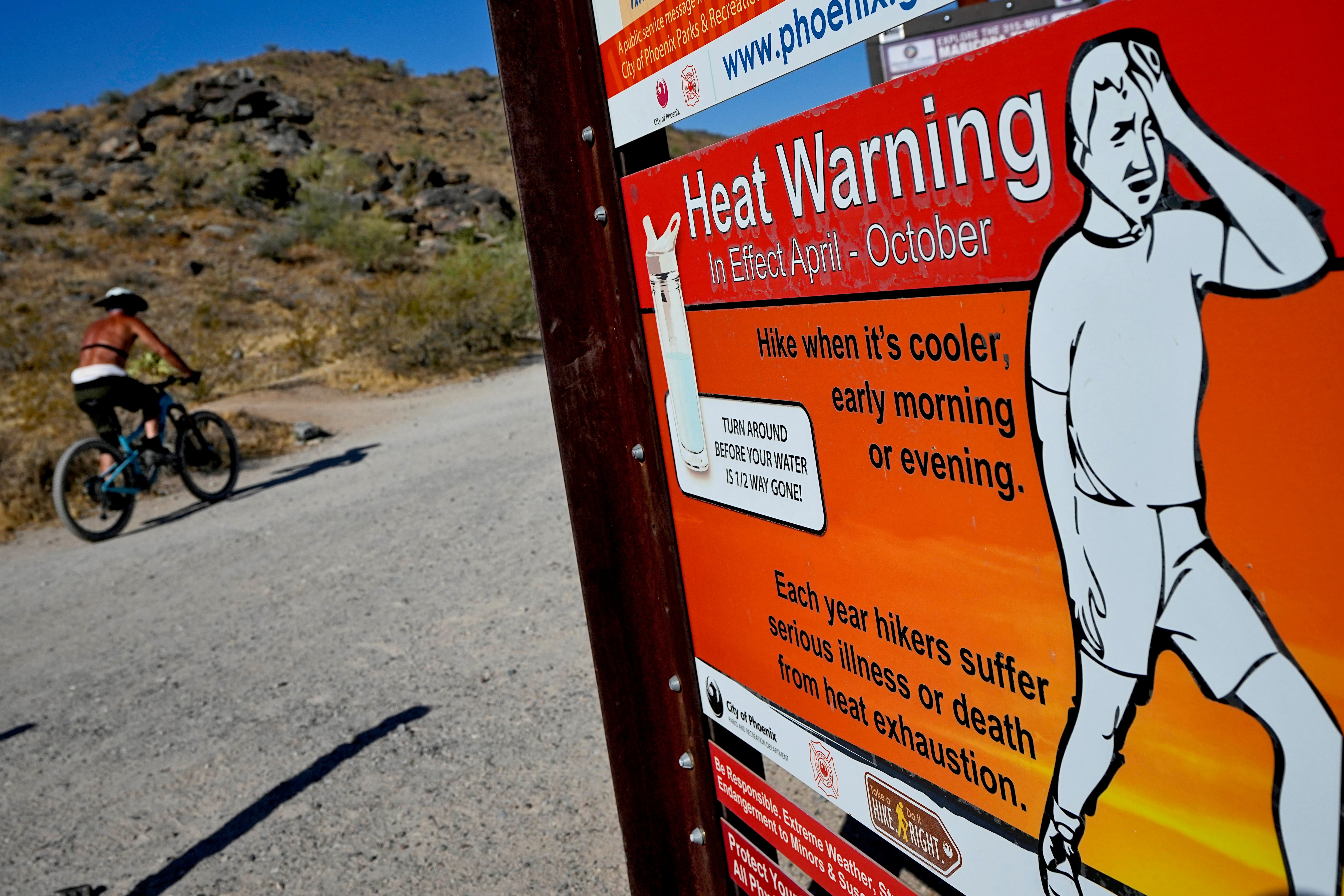
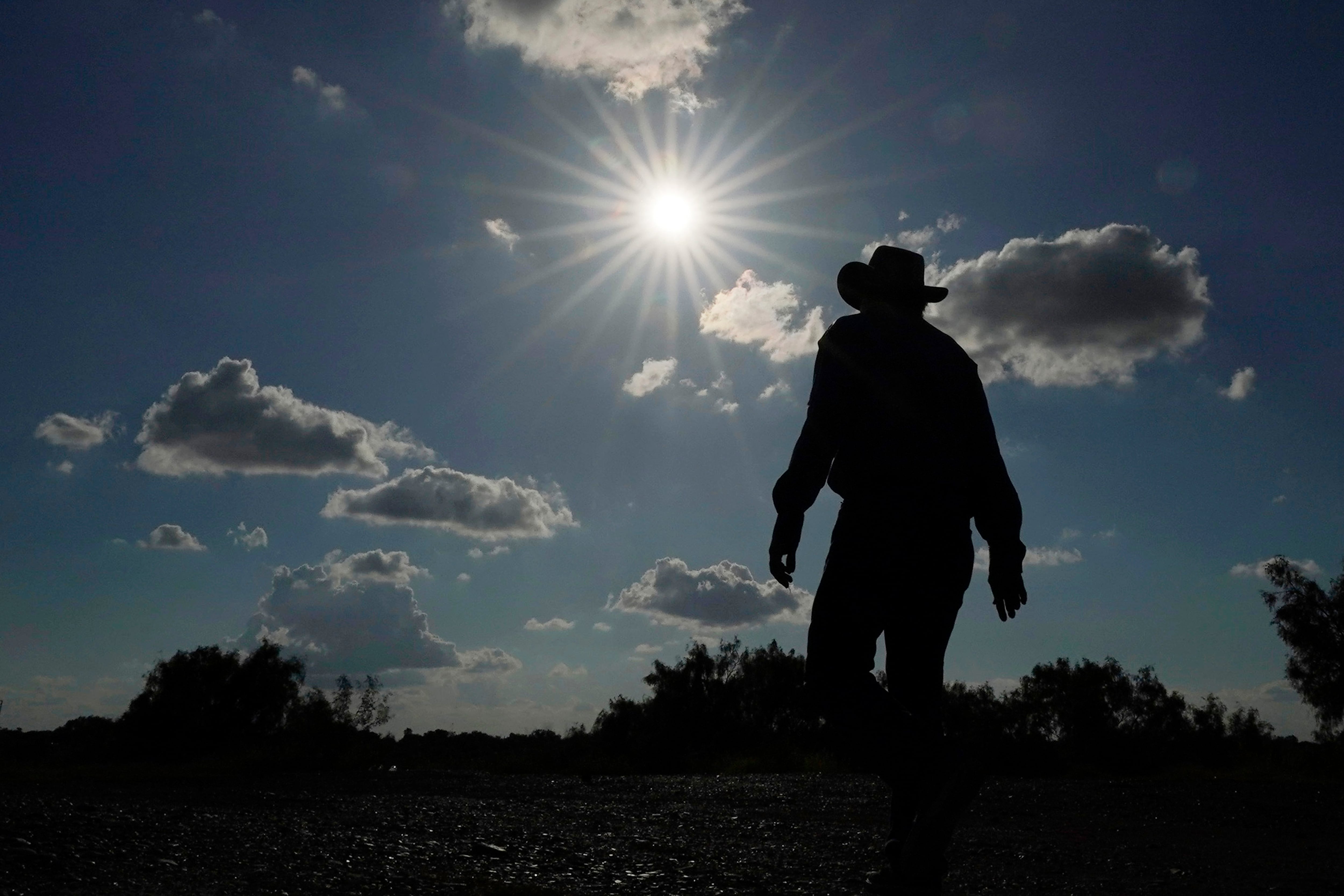
Even Southwestern desert residents accustomed to scorching summers are feeling the grip of an extreme heat wave smacking Arizona, Nevada, New Mexico and Southern California this week with 100-degree-plus temps and excessive heat warnings.