Rachel Feltman, science editor at PopSci, discusses the recent NASA report that found 2017 was the second warmest year on record, only behind 2016.
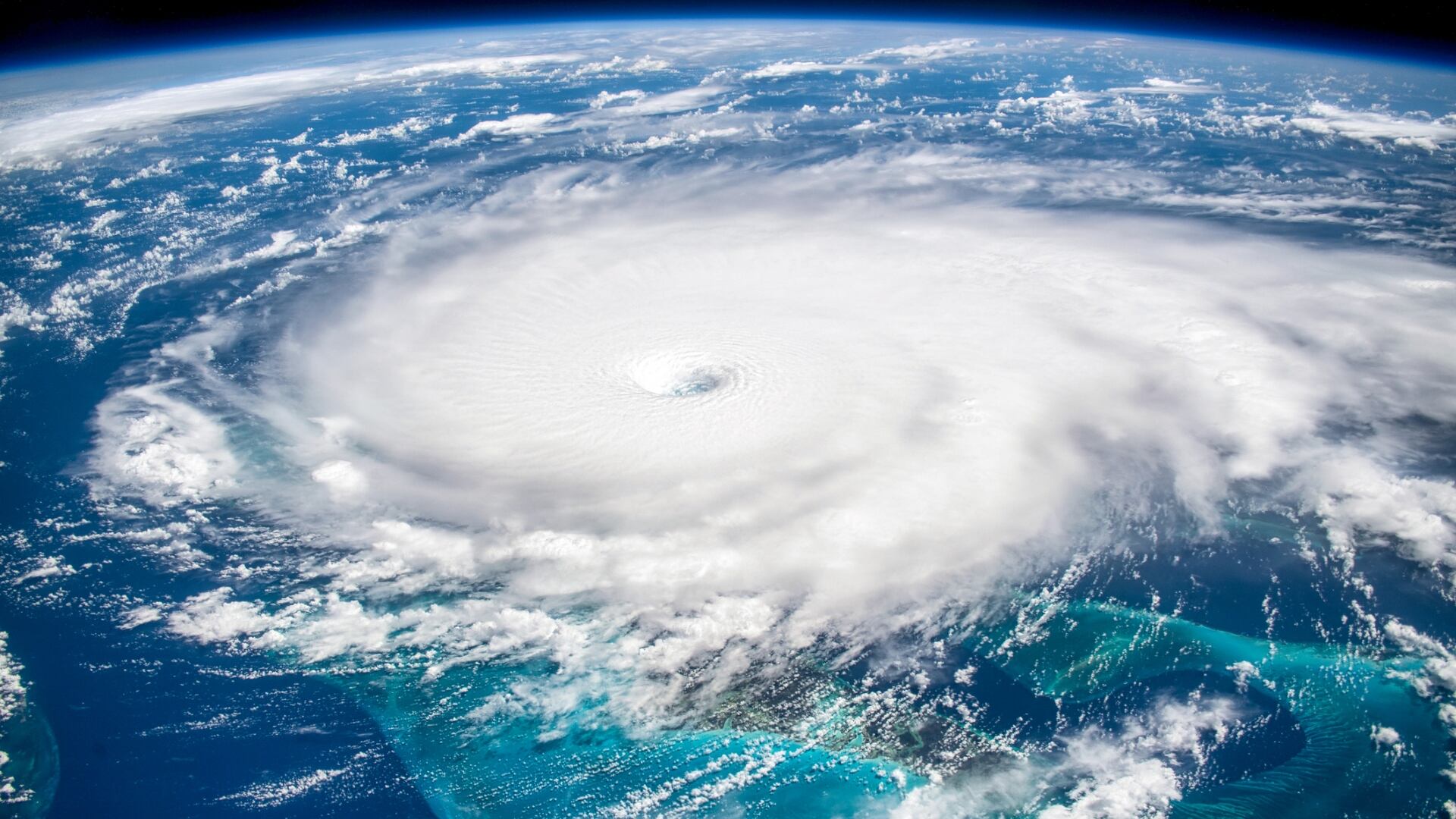
Feltman says the warming trend we've seen over the last several years has produced five of the warmest years on record since 2010. We dig into the absence of El Nino and the prevalence of La Nina that caused 2017 to be one of the warmest ever. El Nino is a weather pattern that tends to warm that climate and La Nina brings a pattern of cool air to parts of the globe. Because of this, Feltman says the overall temperature for the year should have been considerably cooler than it was.
We talk about the politics of climate, including President Trump's stance and the partisan nature of the topic. We dig into the climate initiatives spearheaded by various states and industries in the U.S., despite President Trump pulling out of the Paris Climate Agreement.
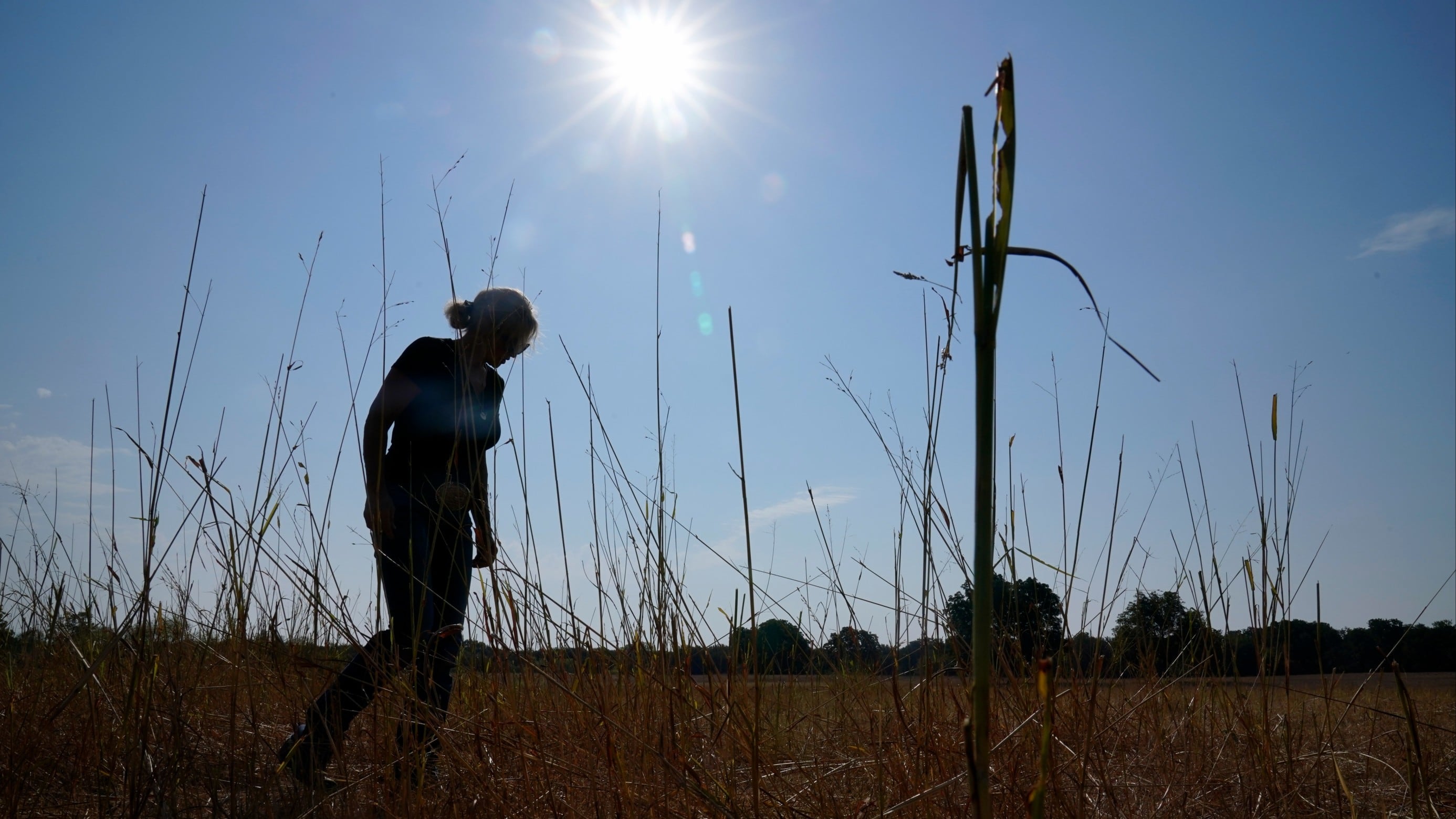
Irrigation might have saved Jackson's hay, but she and her husband rejected the idea about 10 years ago over the cost: as much as $75,000 for a new well and all the equipment. But now — with an extended drought and another U.S. heat wave this week that will broil her land about an hour northwest of Dallas for days in 100-degree-plus temperatures — Jackson said she is “kind of rethinking.”
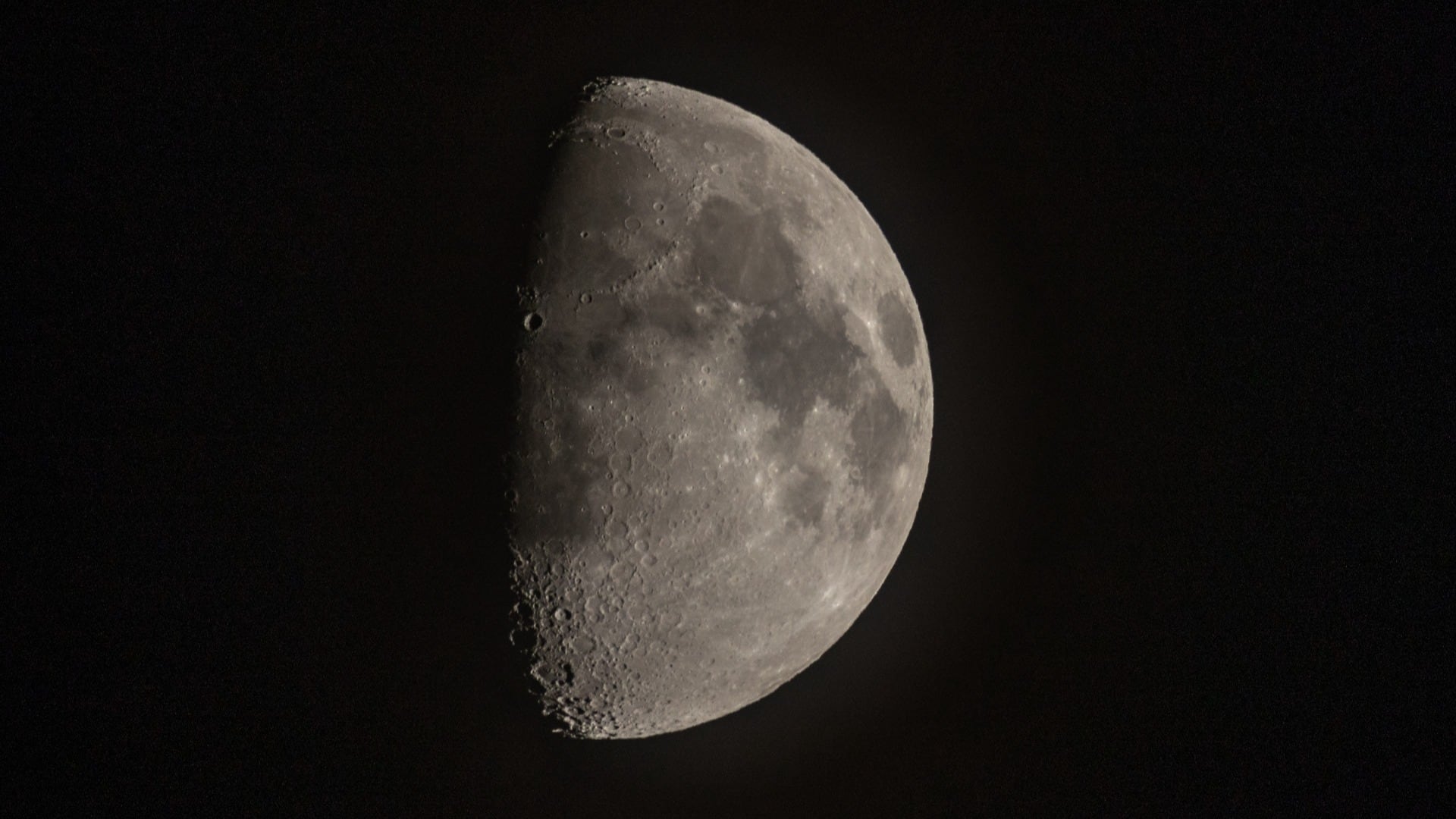
India became the first country to land a spacecraft near the moon’s south pole on Wednesday — a historic voyage to uncharted territory that scientists believe could hold vital reserves of frozen water, and a technological triumph for the world’s most populous nation.